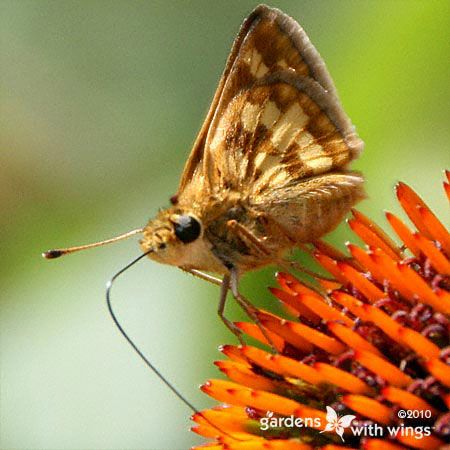
Nectar plants are the primary food for butterflies. Using their proboscis, a tube at the head of the butterfly, it draws nectar from flowers.
Of the two types of plants you’ll need to attract butterflies to your garden, nectar plants usually get top billing. And why not? They add color, style, and beauty to your garden while providing the food most butterflies and other wildlife need to sustain life. Follow along for a list of seven types of nectar plants for butterflies.
Read more: Other Food Sources to Attract Butterflies
Butterfly Garden
For butterflies, presentation is everything so grouping the same nectar plants together will help butterflies see your scrumptious offering from a distance.
Some nectar plants have the reputation of being favorites to a wide variety of butterflies – plants such as Coneflower, Tall Verbena, Mexican Sunflower, Lantana, and Zinnia to name a few.
Read more: Perfect Flowers For Butterfly Gardens
Whenever possible, plant native nectar plants and avoid plants considered to be ‘invasive’ in your area. When in doubt ask your local garden center for advice. They not only require less maintenance than non-natives, but they bring a welcome variety to your gardens.
Read more: 4 Actionable Tips to Attract Butterflies to Your Garden
6 Types of Butterfly Nectar Plants
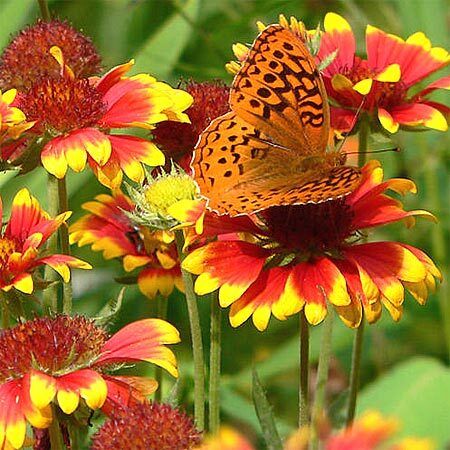
Nectar Rich Flowers for Butterflies
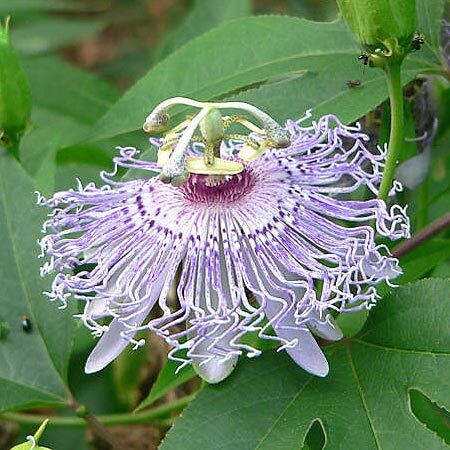
Flowering Vines That Attract Butterflies
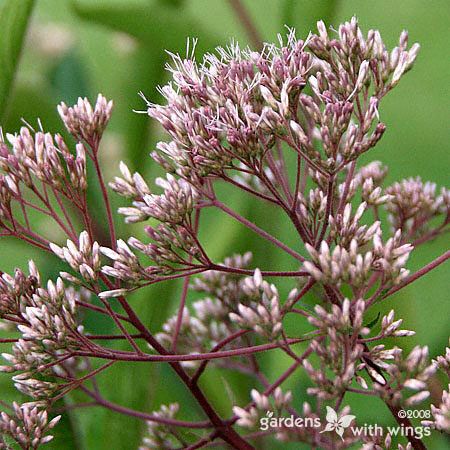
Shrubs That Attract Butterflies: Your Ultimate Planting Guide
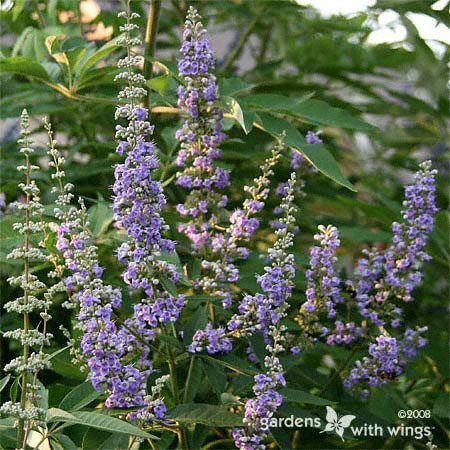
Nectar Trees for Butterflies
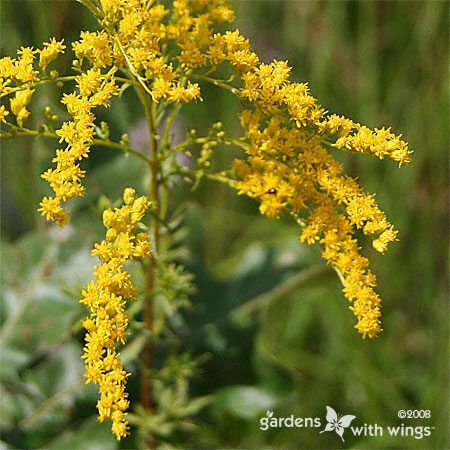
Nectar Wildflowers for Butterflies