Your neighbor’s yard is covered in butterflies. Yours has maybe two on a good day. You’re both growing flowers, so what gives?
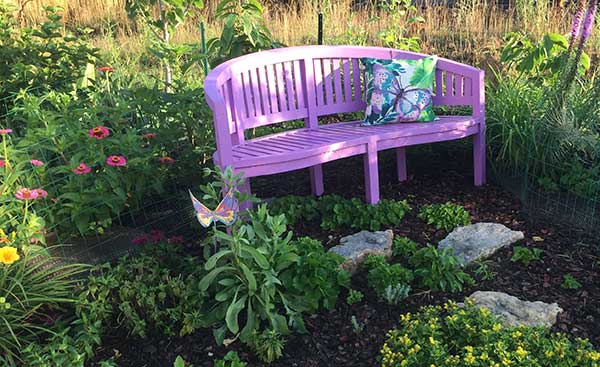
Turns out butterflies are picky eaters. They want specific plants, not just anything colorful. They need food for adults and totally different plants for their babies. They want sun spots and shelter. They want places to puddle and warm their wings. Put a Garden Bench near your beds and you can watch the whole show. But first you need to get them there.
Native Plants Win Every Time
Forget the fancy hybrids at the garden center. Native plants outperform imports by miles. Local butterflies evolved eating local plants for thousands of years. The nectar has the right sugar content. The bloom times match migration patterns.
Black-eyed Susans bring in painted ladies and swallowtails from June straight through August. Purple coneflowers pull monarchs, fritillaries, and about a dozen skipper species. Both laugh at drought once established. Zero fuss after year one.
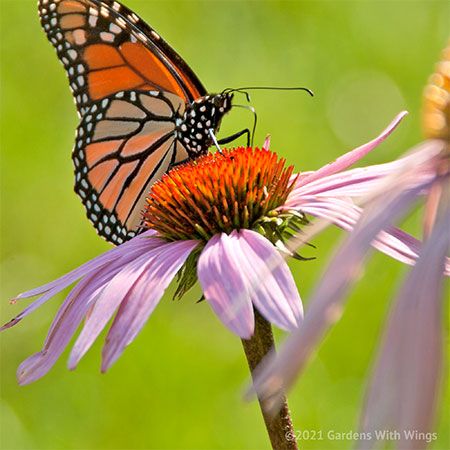
Milkweed deserves its own paragraph because monarchs literally depend on it. Common milkweed has pink blooms that monarchs mob. Swamp milkweed handles wet areas where other plants rot. Butterfly weed loves dry spots and shows orange flowers all summer. Plant three types minimum. Monarchs migrate thousands of miles and need food the whole way.
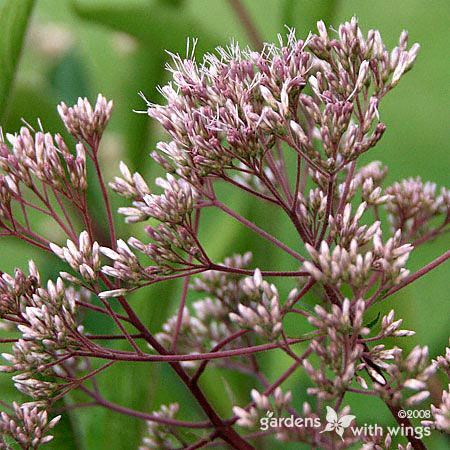
Joe-Pye weed towers over everything at six feet tall. Those massive purple flowers appear in August when other plants are tired. Every butterfly in the neighborhood visits it. Blazing star sends up tall purple spikes in late July. Both sink deep taproots and survive neglect like champs.
Caterpillars Need Different Food
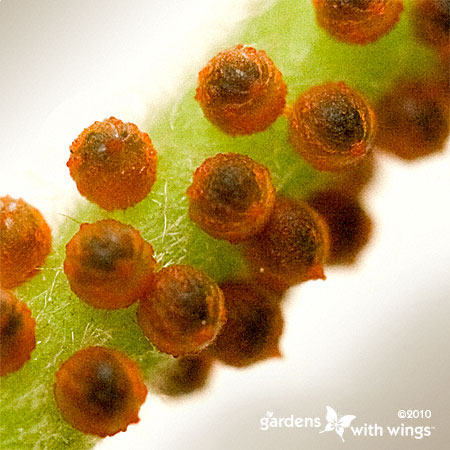
Here’s what most people miss. Adult butterflies drink nectar. Their kids eat leaves. Very specific leaves. Monarchs only lay eggs on milkweed because monarch caterpillars can’t digest anything else. No milkweed means no baby monarchs.
Each butterfly species has its own requirements:
- Parsley, dill, fennel get demolished by black swallowtail caterpillars (they’re eating machines)
- Passion vine feeds gulf fritillaries in zones 8 and up
- Pipevine works for pipevine swallowtails if you’re east of the Rockies
- Violets grow in shade and feed several fritillary types
- Asters bloom late and feed pearl crescent babies
Look up which butterflies actually live near you. Then plant their larval host plants. Otherwise you’re running a restaurant with no nursery attached.
Spread Blooms Across Months
Butterflies visit from March through October in most places. Something needs to bloom every single week. This takes planning but pays off huge.
Crocuses feed the first butterflies in spring. These early risers spent winter hiding and wake up starving. Wild columbine and lupine bloom in April before most yards look alive. They feed mourning cloaks and other species that overwinter as adults.
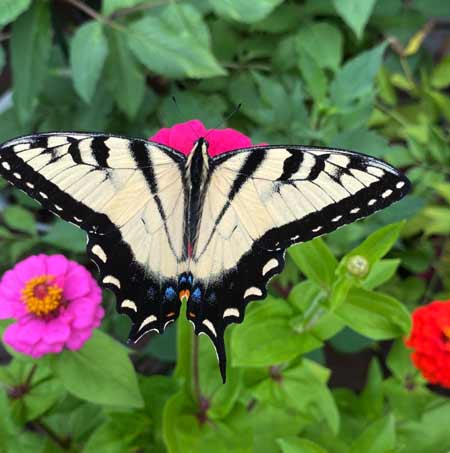
Summer means peak traffic. Pack in the nectar sources during June, July, and August. Zinnias bloom forever if you deadhead them. Lantana handles blazing heat without complaining. Cosmos self-seeds and comes back stronger each year.
Fall matters more than people think. Monarchs migrate south in September and October. They need fuel for the trip. Sedum blooms right on schedule in early fall. Goldenrod feeds tons of species and doesn’t cause allergies despite the rumors. The U.S. Forest Service tracked butterfly diversity and found native gardens support 50% more species. New England asters keep blooming through the first frost.
Give Them Warm Spots and Cover
Butterflies can’t make their own body heat. They sit in the sun until their muscles warm enough to fly. Strong wind grounds them completely. Rain sends them running for cover.
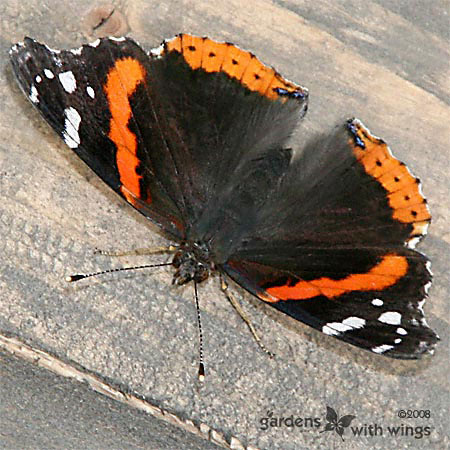
Tall plants on the north side block wind from that direction. Sun comes through from the south. Easy fix that makes a big difference. Flat rocks in sunny areas work as landing pads. Butterflies sit there every morning soaking up heat. Put rocks near flowers so they don’t waste energy traveling back and forth.
Dark mulch turns into a hotplate in summer. Butterflies avoid it when temperatures spike. Stick with light-colored mulch around your beds.
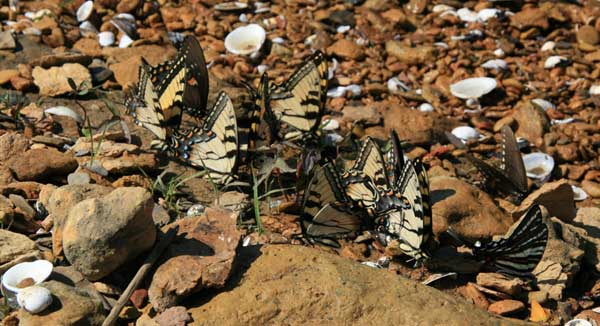
Males need minerals from mud and wet sand. They visit puddles constantly during breeding season. Make a puddling station in five minutes:
- Dig a shallow hole
- Drop in a plant saucer
- Fill it with sand
- Keep it damp
- Add a tiny bit of salt
Males mob these stations. Females rarely bother with them. The minerals help males produce better sperm apparently.
Cluster Everything Together
Scattered single plants make butterflies burn energy flying around your whole yard. Group five of the same plant together instead. Big blocks of color act like billboards. Butterflies spot them from 50 feet up.
Clusters let butterflies feed efficiently too. They hit ten flowers without leaving a three-foot circle. This matters when mornings are cold and they’re sluggish. Each cluster needs six hours of direct sun minimum.
Stack heights inside each group. Short stuff goes in front. Tall plants go behind. This copies how meadows naturally grow. Butterflies evolved in meadows so it feels right to them. Leave bare soil between groups for flight paths. They won’t fly through dense tangles of foliage.
Skip All Pesticides
Any pesticide kills butterflies. Period. The organic ones kill caterpillars just as dead as the chemical ones. Those holes in your leaves? That’s success, not failure. Caterpillars eating means you built working habitat.
Leave dead plant stalks standing all winter. Dozens of species overwinter as chrysalises glued to stems. Cut stuff back in March after butterflies emerge. Rake gently so you don’t crush pupae hiding in leaf piles.
Water deep once a week instead of shallow every day. Deep watering forces roots down where moisture stays longer. Most natives survive on rainfall alone after their first summer. Dump shredded leaves around as mulch. This feeds soil life and holds moisture without getting too hot.
Watch From a Comfortable Spot
The best gardens work for butterflies and people both. Plant selection matters but so does where you sit. Both species need reasons to stick around longer than five minutes.
Mornings from seven to ten offer peak activity. Butterflies bask and tank up after cold nights. Position seating close enough to see details but far enough to avoid spooking them. Late afternoon from four to six gives you a second show before they roost.
Keep notes on which species show up and when. Write down their favorite plants. Track first and last sightings each year. You’ll spot patterns after two or three seasons. Use that info to adjust your plant list. Your garden improves steadily instead of staying static. Plus you’ll actually know what you’re looking at instead of just seeing “a brown butterfly.”