When it comes to choosing the right material for your home’s exterior or interior renovation, the decision between cultured stone and natural stone can be a tough one. Both materials are admired for their beauty and durability, but they have distinct differences that can affect the look, cost, and functionality of your project. To help you make an informed decision, here are the five key differences you should know when comparing cultured stone to natural stone.
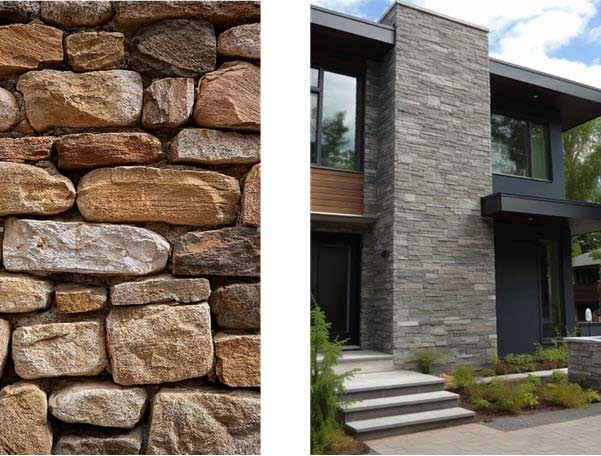
1. Material Composition
Natural Stone:
Natural stone is exactly what it sounds like: stone that has been quarried directly from the earth. Common types include granite, limestone, marble, and sandstone. Because it is mined, natural stone retains the unique characteristics of the quarry it was sourced from, making each piece truly one-of-a-kind.
Cultured Stone:
Cultured stone, on the other hand, is a man-made product that mimics the appearance of natural stone. It’s made from a mixture of cement, aggregates, and pigments. The process of manufacturing cultured stone allows for more uniformity in color and texture, providing a consistent look across all pieces. Homeowners and designers seeking a wide range of styles will find it easy to access a manufactured stone supply in Canada and the US, and to choose customizable options with different textures and finishes. Its lightweight nature and ease of installation make it a practical alternative to natural stone. Additionally, cultured stone is often more affordable and requires less maintenance, appealing to those seeking cost-effective yet aesthetically pleasing solutions for interior and exterior design projects. This versatility has increased its popularity in modern construction.
Key Difference:
While natural stone is 100% authentic and unique, cultured stone is engineered for consistency and versatility. If you’re looking for the distinctive, natural appearance of stone with no two pieces alike, natural stone is your best choice. If you’re seeking a consistent, customized appearance, cultured stone may be a better fit.
2. Cost and Affordability
Natural Stone:
Natural stone tends to be more expensive than cultured stone. This is due to the cost of extraction, transportation, and labor involved in quarrying and handling these heavy materials. Installation can also be pricier due to the weight of natural stone, which requires specialized handling and equipment.
Cultured Stone:
Cultured stone is generally more affordable. Since it’s lightweight and manufactured, the material costs are lower, and the installation is less labor-intensive. Additionally, the versatility of cultured stone allows for more affordable options in terms of style and texture, making it a budget-friendly option for many homeowners.
Key Difference:
If budget is a primary concern, cultured stone provides a significant cost advantage over natural stone. However, if you’re willing to invest in high-end, long-lasting materials, natural stone may provide better long-term value.
3. Weight and Installation
Natural Stone:
Natural stone is heavy, and this can make it more challenging to install. The weight requires proper reinforcement for walls and foundations to handle the load, which can increase installation costs. Additionally, natural stone often requires skilled labor for precise cutting and placement.
Cultured Stone:
One of the biggest benefits of cultured stone is its lighter weight. This makes it easier and faster to install, and less structural reinforcement is typically needed. The lightweight nature also reduces the amount of time needed for installation, which translates to lower labor costs.
Key Difference:
For projects where weight is a concern or a faster installation time is preferred, cultured stone is the more practical choice. Natural stone, while stunning, requires more preparation and time to install.

4. Durability and Maintenance
Natural Stone:
Natural stone is known for its incredible durability and long lifespan. It can withstand the elements for decades without showing signs of wear. Depending on the type of stone, natural stone can also be resistant to scratching, fading, and cracking. However, natural stone may require periodic sealing to prevent staining and water damage.
Cultured Stone:
While cultured stone is also durable, it is not as resistant to the elements as natural stone. Over time, the surface may show signs of wear, such as fading or chipping. It’s also more susceptible to damage from harsh weather conditions like freezing temperatures or intense sunlight. However, its maintenance needs are generally lower, as it doesn’t require sealing and can be cleaned easily with soap and water.
Key Difference:
Natural stone wins in terms of long-term durability and resistance to damage. Cultured stone is more prone to wear but provides easier maintenance in the short term.
5. Aesthetic Variety and Customization
Natural Stone:
With natural stone, every piece has its own distinct color, texture, and pattern, making it ideal for homeowners who want a unique and luxurious aesthetic. There is also a wide variety of stone types to choose from, each providing its own style, from rustic to modern.
Cultured Stone:
While cultured stone is designed to resemble natural stone, it is typically more uniform in appearance. However, it can be customized in terms of color, size, and texture during the manufacturing process, giving homeowners flexibility when choosing a design that suits their vision. Additionally, cultured stone can be made to look like a variety of natural stone types, including slate, limestone, and granite.
Key Difference:
If you’re looking for a one-of-a-kind design with unique, natural patterns, natural stone is the way to go. However, if you’re aiming for a customizable look with a specific color or texture, cultured stone can be a more versatile and tailored option.
Conclusion: Which One is Right for You?
The decision between cultured stone and natural stone ultimately depends on your priorities—whether it’s cost, installation time, durability, or aesthetic preference. Cultured stone provides an affordable, lightweight, and customizable alternative that works well for many homeowners looking for a consistent look with minimal upkeep. Natural stone, on the other hand, is perfect for those who want a timeless, durable material that stands out with its uniqueness and elegance.
Consider your project needs, budget, and design goals when choosing between the two. Both materials provide a range of benefits, so no matter which you choose, you’ll be investing in a beautiful and lasting feature for your home.
Next up…
- When choosing between cultured and natural stone, trust Birch Hill Quarry, your local stone suppliers in Gloucestershire for authentic quality and expert guidance tailored to your project.
- 7 Butterfly Plants That Turn Any Garden Into a Living Canvas.