You did everything right. You planted the milkweed, added the native nectar flowers, and waited for the first monarch caterpillars to show up on schedule. Then the mosquitoes arrived, or you found a tick on the dog, and you ran straight into the butterfly gardener’s dilemma: how do you make the yard livable again without undoing the pollinator haven you worked so hard to build? As a pest control team, we get asked this constantly, and the honest answer is that the usual fix, the broad spray that kills everything that moves, is exactly the wrong tool. You really can have fewer mosquitoes and more butterflies. It just takes a more surgical approach than most people are offered.
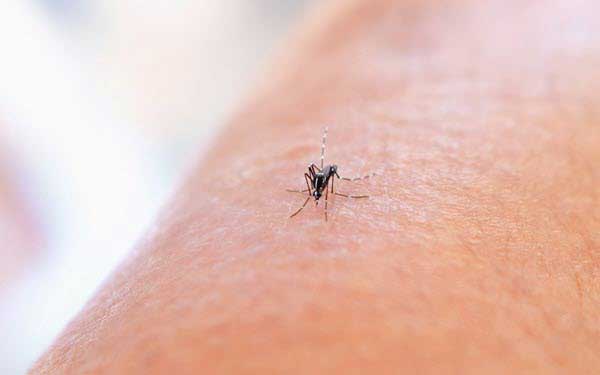
The Problem With the Spray-Everything Approach
A broad-spectrum yard spray, and the fog-the-whole-yard mosquito treatment in particular, cannot tell the difference between a mosquito and a monarch caterpillar. The droplets settle on host plants, on open nectar flowers, and on the very leaves where caterpillars are feeding. Any bee or butterfly out foraging when the fog rolls through is caught in it too. The Xerces Society, which studies invertebrate conservation, has warned for years that routine blanket spraying is one of the biggest backyard threats to pollinators. If you have planted specifically to attract butterflies, the single worst thing you can do is hand the whole yard over to an indiscriminate spray on a calendar schedule.
Start With Water, Not Chemicals
The most effective mosquito control in any yard has nothing to do with spraying. Mosquitoes need standing water to breed, and they need shockingly little of it: a clogged gutter, a plant saucer, a forgotten bucket, the dish beneath a rain barrel. Walk your yard once a week and tip out anything holding water, and you remove the nursery before the adults ever hatch. For water you cannot dump, like a rain barrel or a small pond, mosquito dunks containing Bti (a naturally occurring soil bacterium) kill the larvae while leaving butterflies, bees, fish, and your caterpillars completely alone. This is the highest-leverage and most pollinator-friendly step there is, and it costs almost nothing.
Make the Yard Less Hospitable
Adult mosquitoes spend their days resting in cool, shady, humid places: tall grass, deep leaf litter, the shaded side of a shed or fence. Keeping those spots trimmed and drained quietly shrinks the resting population without a single drop of pesticide. Move your seating and the kids’ play area away from the dampest, shadiest corners of the yard. None of this comes anywhere near a pollinator, and it makes everything you do afterward work better.
When You Do Treat, Treat Like a Surgeon
Sometimes prevention is not enough, especially in a heavy season or a tick-prone yard, and that is fine. The difference between harming your garden and protecting it comes down to precision. That means targeting where the pests actually rest, the undersides of perimeter shrubs and the shady edges, rather than blanketing the flowers and host plants. It means never treating anything in bloom, and treating at dusk or after dark when butterflies and most bees have stopped flying. It means choosing lower-toxicity, targeted products over broad knockdown foggers; we use an eco-conscious mosquito product for exactly this reason. And it means treating the pollinator beds themselves as a strict no-spray zone, every single time.
Ticks Are a Different Animal
If ticks are your real concern, and in a lush, well-planted yard they may be, the approach is similar but worth its own note. Ticks live in the leaf litter and the tall-grass margins, not on your flowers. A targeted treatment of those edges, combined with a simple mulch or gravel border between any woods and your garden beds, controls them without putting product anywhere near your nectar plants. Permethrin-treated cotton tubes, which mice gather and carry into their nests, knock the tick population down at its animal source, again without touching a single pollinator.
Know Which Bugs Are Actually the Enemy
Here is the part most spray services skip entirely: in a healthy butterfly garden, the great majority of the insects are either harmless or actively helpful. The caterpillars chewing your milkweed are the entire point. Many of the wasps people reflexively spray are pollinators themselves and hunt pest caterpillars for you. The aphids feed ladybugs and birds. So before you treat anything, identify it. The goal was never a sterile yard. It is a yard where the two or three genuine nuisances are managed and everything else is left to do its job. Pollinator-conservation groups publish excellent identification guides if you want to get confident about who is who.
Working With a Pro Who Gets It
If you decide to bring in help, the most important question to ask is not “will this work.” It is “how will you protect my pollinators.” A technician who understands butterfly gardens should be able to tell you exactly where they will treat, what they will deliberately avoid, which product they are using, and what time of day they will apply it. If a company’s only offer is to fog the entire yard on a recurring schedule, that is simply the wrong company for a garden like yours. When we treat a planted yard, we treat the problem, not the whole property. Bringing in a professional pest control team should cost you mosquitoes, not monarchs.
The fear that pushes so many gardeners into either spraying everything or suffering all summer is a false choice. You can sit outside at dusk without being eaten alive and still watch the swallowtails working the zinnias the next morning. It only takes treating pest control the way you already treat your garden: thoughtfully, selectively, and with a clear picture of what you are trying to protect.