In the context of conventional gardening practices, the main goal of mulching revolves around uniform aesthetics and is associated with applying thick layers of bark or dyed wood chips. Nevertheless, for enthusiasts working on creating habitats for butterflies, this strict approach to mulching creates a real problem for the ecosystem. A garden created specifically for attracting butterflies should adopt a completely different view of mulching, treating the soil surface as a living ecosystem, not a blank canvas. Thus, proper mulching in such special cases should take into account both plants’ needs as well as those of butterflies and moths. Being aware of the fact that the soil is an ideal substrate for a pollinator garden can be quite beneficial.
What Goes Wrong with Standard Mulch
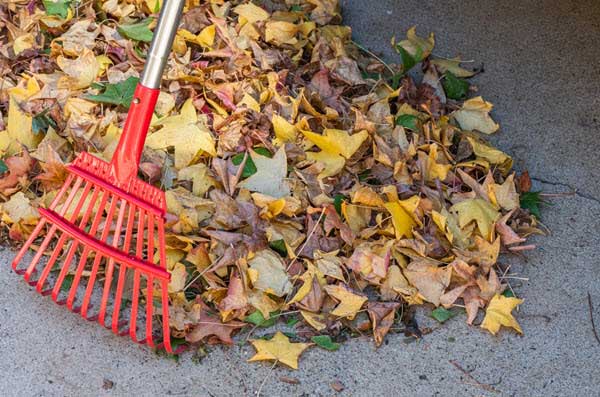
Mulch does good things for a garden. It holds water, blocks weeds, and keeps the soil from getting too hot or too cold. For native wildflowers and the host plants that caterpillars feed on, that steady moisture is what keeps nectar flowing all season. However, the selection of mulching material determines the ground covering’s purpose as either protection or obstruction. One of the most eco-friendly types of mulching material that can be used in a butterfly garden is one that occurs naturally—leaf litter. Often called free fertilizer, entire leaves serve as a good imitation of the forest floor in terms of providing insulation without choking out sensitive plant roots. Some other examples of good quality mulching materials are pine needles.
Choosing the Ideal Mulches for the Environmentally Friendly Habitat
Various types of fallen leaves behave differently when used as mulch and therefore require consideration during application. Lightweight leaves of maples, basswoods, or birches will quickly decompose within a single growing season to become part of the soil structure. On the other hand, harder leaves of oaks, tulips, or sycamores are highly resistant to decomposition and will take many years before they decompose. Harder leaves applied in thick layers can create a mat layer that inhibits the entry of water, air, and sunlight into the soil and plant roots. To avoid this problem, harder leaves must be applied in thin layers to allow the early spring wildflowers and native perennials to grow through easily.
How Proper Mulch Supports the Butterfly Lifecycle
The real importance of the natural leaf layer becomes clear when you look at the behavior of North American Lepidoptera during the winter season. Migrating butterflies and moths, like the Monarch, fly further to the south. However, the great majority of local butterflies and moths overwinter in their habitats hidden within the leaf layer. There are some examples of this behavior of lepidopterans, such as Great Spangled Fritillaries and woolly bear caterpillars, which use the leaf layer as a shelter from predators and frosts during the cold season. For example, Red-banded Hairstreak butterflies lay eggs on oak leaves, which later become the first food source for the hatching larvae. There are also examples of the usage of leaves as a way of camouflage. Luna Moths and Swallowtails use the leaf layer to conceal their cocoons and chrysalises among dry leaves on the ground. Moreover, Mourning Cloak, Eastern Comma, and Question Mark butterflies hibernate in the leaf layer and wood piles, surviving sub-zero temperatures in a state of dormancy. This is why you should never run a mower over your leaf layer.
Commercial Mulches That Should Be Avoided
In order to keep your sanctuary free of toxins, there are certain commercial mulches that should not be used. The mulches that are dyed to give red, black, or dark brown colors were also known to be made from recycled woods, which have been painted and treated with chemical preservatives and glue. In addition, dark-colored mulches absorb too much heat from the sun and become very hot on top, affecting the roots adversely due to high temperatures that would harm the microorganisms in the soil. Rubber mulch should not be used in any wildlife sanctuary as they neither add any nutrition nor supports the soil food web, and can leach heavy metals into the soil. Landscape fabrics should not be used since they isolate the soil from natural organic decomposition.
Precise Application: Preventing Plant and Pollinator Suffocation
The art of finding a proper balance between weed prevention and habitat preservation is all about precise mulching. A suffocatingly thick layer of mulch made from wood may prevent native plants with shallow roots from growing out, and prevent ground-nesting bees, which make up to about 70% of the population of native bees, from building their nests on the exposed soil. In order to avoid such situations, one should be able to find out the specific needs of one’s landscape beds. Estimating the right volume of mulch for your garden beds helps maintain a proper layer without creating an impenetrable barrier. Having an inch or two of loosely laid organic mulch will ensure proper ventilation and easy emergence of burrowing insects. Leaving small, sunny, south-facing patches of ground unmulched supports ground-nesting bees and solitary pollinators.
Harmonizing Aesthetics with Habitat Preservation
Building a pollinator garden does not mean sacrificing visual appeal or inviting complaints from neighbors. The gardener might make use of the practice of zone mulching, whereby the outer layer of the beds is kept neat, but the interior and rear parts of the beds are left to a wild condition that is naturally covered with leaf litter. Keeping perennial flower and grass stalks standing tall up to fifteen inches through the winter months not only gives seeds to the foraging birds but also acts as an anchor, which stops the dead leaves from entering the lawns nearby. Thirdly, cleaning up the garden in the spring should be delayed until there is more than 50°F to 59°F (10°C to 15°C) for many consecutive days. This is because the hibernating bees, butterflies, and other insects will wake up at that time.