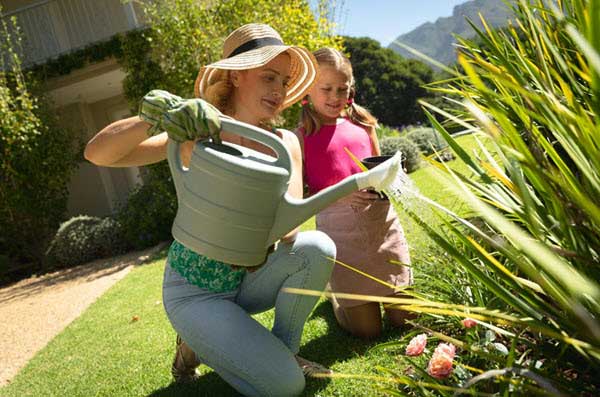
A beautiful garden is often thought of as a collection of colorful flowers, healthy shrubs, and thriving wildlife. Yet the condition of the home beside that garden plays an equally important role in creating an outdoor space that flourishes year after year. From managing rainwater to providing the right balance of sunlight and shelter, a well-maintained property supports the landscape surrounding it in ways many homeowners rarely consider.
For gardeners who enjoy attracting butterflies, bees, and birds, thinking about the relationship between the house and the garden can lead to healthier plants and fewer maintenance problems over time.
A Garden Depends on More Than Good Soil
Most gardening advice focuses on choosing the right plants, improving soil quality, or watering correctly. Those factors certainly matter, but the environment surrounding the garden also influences its success.
Water runoff, excessive shade, poor drainage, and damaged gutters can gradually change growing conditions. Areas that receive too much water may struggle with root rot, while dry spots beneath poorly designed drainage systems often require constant attention.
Looking at the entire property rather than individual flower beds helps gardeners create more stable growing conditions throughout the seasons.
Managing Rainwater Benefits Plants
Rainwater is one of a garden’s greatest resources when it’s directed properly.
During heavy storms, however, uncontrolled runoff can wash away mulch, erode soil, damage pathways, and overwhelm delicate planting beds. Directing water away from foundations while allowing gardens to absorb moisture naturally creates a healthier balance for both the landscape and the home.
This is why many homeowners consider exterior maintenance alongside their gardening plans. Information available from Austin Roofing Company explains how properly maintained roofing systems, gutters, and drainage work together to manage rainfall and help reduce moisture-related problems around residential properties. While visitors often admire flowers first, the systems above them quietly influence how water moves throughout the landscape during every storm.
Thinking about drainage before redesigning a garden can prevent expensive corrections later.
Pollinator Gardens Need Stable Growing Conditions
Butterflies, bees, and other pollinators rely on healthy flowering plants throughout the growing season. Native perennials, flowering shrubs, herbs, and wildflowers all contribute to creating habitats that support local biodiversity.
However, these plants perform best when environmental conditions remain relatively consistent. Excessive standing water, repeated soil erosion, or areas that become permanently shaded due to neglected tree growth can reduce flowering and shorten blooming periods.
Creating healthy habitats involves understanding how sunlight, moisture, and airflow interact across the entire garden rather than focusing on individual species alone.
Trees and Shrubs Deserve Regular Attention
Mature trees provide valuable shade, shelter for wildlife, and visual structure within a landscape. They also require thoughtful maintenance.
Overgrown branches may increase shade beyond what nearby plants can tolerate, while damaged limbs can become hazards during storms. Regular pruning improves airflow, supports healthy growth, and allows more balanced light to reach surrounding flower beds.
Shrubs benefit from similar care. Periodic trimming encourages fuller growth while helping maintain pathways and garden borders.
Healthy landscapes are usually the result of consistent maintenance rather than occasional large-scale projects.
Outdoor Spaces Should Work Throughout the Year
Gardens evolve constantly.
Spring brings new growth, summer attracts pollinators, autumn introduces changing colors, and winter highlights structural elements that often disappear beneath seasonal foliage.
Designing with every season in mind creates landscapes that remain attractive regardless of the month. Evergreen plants, ornamental grasses, winter berries, decorative bark, and carefully positioned hardscaping all contribute visual interest even after flowering plants become dormant.
Viewing the garden as a year-round environment often produces more satisfying long-term results than focusing exclusively on peak blooming periods.
Wildlife Appreciates Variety
Birds, butterflies, beneficial insects, and small mammals all benefit from diverse planting schemes.
Layering trees, shrubs, flowering perennials, ground covers, and native grasses creates shelter while providing food sources across multiple seasons. Adding bird baths, shallow water features, and natural nesting spaces further increases biodiversity without requiring significant maintenance.
Many gardeners discover that encouraging wildlife naturally reduces certain pest problems as beneficial insects become part of the garden ecosystem.
The goal isn’t simply creating a beautiful space but developing a balanced environment where plants and wildlife support one another.
Sustainable Gardening Starts With Prevention
Sustainability often begins with avoiding unnecessary problems.
Healthy soil reduces irrigation needs. Native plants generally require less maintenance. Compost improves soil structure naturally, while mulch helps regulate temperature and conserve moisture.
Preventive property maintenance follows the same philosophy. Addressing small issues before they become major repairs reduces waste, protects landscaping investments, and helps maintain healthier growing conditions around the home.
According to the U.S. Environmental Protection Agency (EPA), green infrastructure and thoughtful stormwater management play an important role in reducing runoff while supporting healthier landscapes and surrounding ecosystems.
Small Improvements Make a Big Difference
Many successful gardens develop gradually rather than all at once.
Adding a new pollinator bed, replacing invasive plants with native species, improving drainage in one corner of the yard, or planting a shade tree for future generations are all investments that continue paying dividends for years.
Likewise, maintaining the home’s exterior protects those investments by creating stable conditions that allow gardens to thrive regardless of changing weather.
A Healthy Property Supports a Healthy Garden
The most memorable gardens rarely succeed because of flowers alone. They flourish because every part of the property works together.
Healthy soil, thoughtful planting, effective water management, regular maintenance, and a well-cared-for home all contribute to creating outdoor spaces that remain attractive throughout the year.
When homeowners think beyond individual plants and consider the broader environment surrounding them, they create landscapes that support wildlife, enhance daily living, and continue growing more beautiful with every passing season.