Color is often the first thing homeowners think about when replacing siding. It is easy to understand why. Siding covers a large portion of the exterior, so changing it can dramatically alter how a house looks.
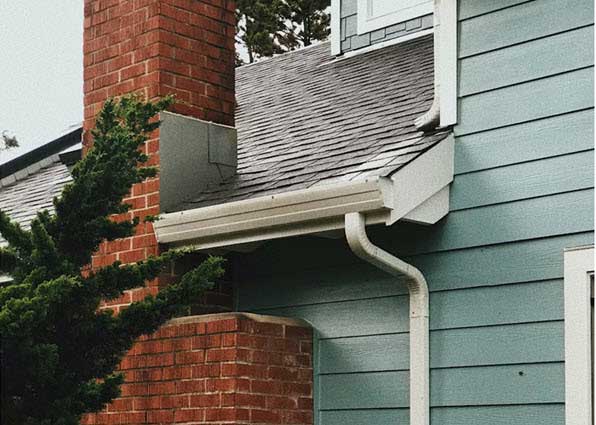
Appearance is only one part of the project, though. New siding meets windows, doors, roof edges, decks, utility lines, vents, trim, and other exterior components. Removing the old material can also reveal conditions that were previously hidden.
Planning these details before installation can prevent a siding project from turning into a series of last-minute decisions.
Inspect What Is Behind the Existing Siding
The wall beneath old siding cannot always be fully assessed until removal begins.
Once sections come off, contractors may find damaged sheathing, signs of past moisture, deteriorated trim, or other areas that need attention before new siding is installed.
Covering questionable material with a fresh exterior finish does not solve the underlying problem.
Allow for Hidden Repairs in the Budget
Homeowners should understand how unexpected repairs will be handled before work begins.
The exact condition behind the siding may be impossible to know in advance, but the process for dealing with discoveries should be clear.
Leaving some flexibility in the project budget can make these situations easier to manage without forcing rushed decisions.
Consider Windows and Doors at the Same Time
Siding surrounds many exterior openings, which makes window and door plans especially important.
If old windows are likely to be replaced soon, installing new siding first may lead to parts of the finished exterior being disturbed later. The same concern applies to exterior doors.
Before siding work begins, decide whether existing openings will stay as they are.
Think About Changes in Size or Location
A future renovation may involve making a window larger, adding a patio door, or closing an opening that is no longer needed.
Those changes can affect framing, trim, flashing, and surrounding siding.
If they are already part of the remodeling plan, completing them before the final siding installation can reduce duplicated work.
Pay Attention to Water Management
Siding is part of an exterior wall assembly that needs to manage water.
Rain can reach walls around windows, doors, roof intersections, utility penetrations, and other transitions. Those details need to be considered as part of installation rather than relying on the visible siding panels alone.
Homeowners working with a Professional siding contractor in Kansas should discuss how existing wall conditions, openings, trim, and other exterior details will be handled before selecting materials based only on appearance.
The goal is to create a finished exterior where the different components work together.
Decide What Happens to Existing Trim
Trim can dramatically affect the appearance of new siding.
Old corner boards, window trim, door trim, fascia, and other details may not suit the new material or color scheme. Some pieces may also show wear that becomes more obvious once fresh siding surrounds them.
Decide early what will be replaced, wrapped, repaired, or retained.
Use Contrast Carefully
Contrasting trim can emphasize windows, doors, rooflines, and architectural details. Too many competing colors can make the exterior feel visually busy.
Try to view siding, trim, roofing, doors, and masonry as one palette rather than selecting each component separately.
Samples viewed outside can also look different from the same colors seen indoors.
Check Where Siding Meets the Roof
Some homes have roof sections that terminate against exterior walls.
These intersections need careful detailing because water moves across the roof before reaching areas close to the siding.
If roof replacement is also expected soon, discuss how the two projects may interact. Completing connected exterior work in a sensible order can avoid disturbing newly installed materials.
This is particularly relevant around additions, dormers, porch roofs, and other areas where roof and wall surfaces meet.

Include Gutters and Roof Edges in the Plan
Gutters, fascia, and soffits often sit close to siding work.
If any of these components need repair or replacement, deciding when that work will occur can make the siding project easier to coordinate.
A deteriorated fascia board should not simply be ignored because the main project involves the walls rather than the roof edge.
Looking at the whole exterior helps prevent one aging component from standing out beside newly finished work.
Plan Around Decks, Porches, and Other Structures
Decks and porches can make sections of exterior walls difficult to access.
Where a deck connects to the house, the siding detail also needs to account for that relationship. Existing stairs, railings, roofs, and built-in features may affect how installers reach certain areas.
If a deck replacement or expansion is planned soon, it may make sense to coordinate the projects.
Building one improvement without considering the other can create access problems or lead to recently completed work being altered.
Identify Every Exterior Penetration
Exterior walls contain more interruptions than homeowners sometimes realize.
Electrical outlets, light fixtures, hose connections, vents, meters, cables, cameras, and other equipment may all pass through or attach to siding.
Before installation, identify what will remain, what will be moved, and whether any outdated equipment is being removed.
Avoid Working Around Features You Plan to Change
Installing new siding carefully around an old fixture only to relocate that fixture several months later creates another repair area.
If exterior lighting, security equipment, or other mounted features are part of an upcoming upgrade, coordinate those plans before siding is finished.
Choose Material Based on More Than Appearance
Different siding materials vary in appearance, maintenance requirements, installation methods, and how they interact with other exterior details.
Rather than choosing solely from a photograph or color sample, consider what ownership will be like after installation.
Ask what routine cleaning or maintenance is expected and how damaged sections would be repaired in the future.
The right choice is one that suits both the house and the homeowner’s willingness to maintain it.
Think About the Entire Color Scheme
A siding color rarely exists by itself.
The roof, windows, front door, garage door, masonry, gutters, trim, and permanent landscape features all affect how it appears.
If those components are staying, use them as fixed reference points when comparing siding colors.
A color that looks attractive on a small sample can feel very different when covering an entire two-story wall.
Viewing larger samples outside at different times of day can give a better sense of the finished result.
Plan Future Exterior Projects Before Installation
Siding can remain in place through many other home improvements, which makes future planning worthwhile.
Think about whether you may later add an awning, deck, porch, exterior kitchen, new windows, or another structure attached to the house.
Not every future project needs to be built now. Simply discussing likely changes can help avoid placing features where they will complicate later work.
Treat Siding as Part of the Whole Exterior
Replacing siding is much more than selecting a new color and covering the walls.
The project touches windows, doors, trim, roof intersections, gutters, decks, utilities, water-management details, and the condition of materials hidden beneath the old exterior. Each connection deserves attention before installation moves ahead.
A well-planned siding project considers how the house works as well as how it looks. Choosing the finish may be the most enjoyable decision, but resolving the less visible details first can reduce rework and leave the new exterior better coordinated with the rest of the property.