A healthy garden is never an insect-free garden. Beneath the visible damage caused by aphids or caterpillars, there is usually a much larger community of insects at work, many of which are quietly helping plants thrive. Ladybugs devour aphids by the hundreds, bees carry pollen between blossoms, and predatory wasps keep caterpillar populations in check. The challenge for most gardeners is not eliminating insects altogether but learning to distinguish between the ones causing harm and the ones doing essential work. Managing pest pressure effectively means protecting that balance rather than disrupting it.
Learning to Tell Pests from Pollinators
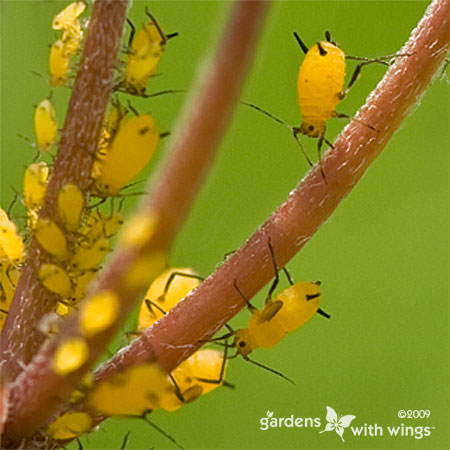
Before any treatment begins, correct identification matters more than almost anything else. Many gardeners assume that any insect clustered on a leaf or flower is a threat, but this assumption often leads to unnecessary intervention. Aphids, for instance, are soft-bodied and slow-moving, typically found in dense groups along new growth. Ladybug larvae, by contrast, look nothing like the adult beetle and are sometimes mistaken for pests themselves, even though they are actively hunting aphids at that stage.
Taking a few minutes to observe an insect’s behavior, shape, and location on the plant can prevent a gardener from spraying something that was never a problem in the first place. Field guides, extension service resources, and photographs compared against reliable databases all help build this kind of confidence. When gardeners struggle to make a clear determination, consulting a knowledgeable source can clarify whether an insect population actually warrants action or is simply part of the garden’s normal ecosystem.
Choosing Targeted Approaches Over Blanket Treatments
Once a genuine pest has been identified, the next decision is how to respond. Broad-spectrum insecticides are tempting because they promise quick results, but they rarely discriminate between harmful and beneficial insects. A single application can wipe out an aphid colony while also killing the ladybugs, lacewings, and parasitic wasps that would have otherwise kept that colony under control naturally.
Targeted approaches work better for both the garden and the surrounding ecosystem. Spot-treating only the infested stems, using insecticidal soap on contact rather than as a preventive spray, or physically removing pests by hand are all methods that limit collateral damage. This is one of the areas where the Corky’s Pest Control team often emphasizes precision, since treating an entire bed when only a few plants are affected wastes effort and increases the risk of harming pollinators that visit the same space. A measured response almost always outperforms an aggressive one when beneficial insects are part of the equation.
Pruning, Moisture, and Habitat as First Lines of Defense
Cultural practices frequently resolve pest issues before chemical intervention becomes necessary. Pruning infested growth is one of the simplest and most effective tools available. Aphids and mites tend to concentrate on tender new shoots, so removing and disposing of heavily infested tips can reduce a population significantly without affecting the rest of the plant.
Moisture management plays an equally important role. Overwatering creates conditions that many pests, including fungus gnats and certain beetle larvae, find favorable, while consistently damp foliage can also encourage fungal issues that weaken plants and make them more vulnerable to insect damage. Watering at the base of plants rather than overhead, and allowing soil to dry appropriately between waterings, reduces this risk considerably.
Encouraging natural predators rounds out this approach. Gardeners can support beneficial insect populations by:
- Planting a variety of flowering species, particularly those with small clustered blooms like yarrow, dill, and alyssum, which attract predatory wasps and hoverflies
- Leaving small areas of bare soil or leaf litter undisturbed, since many beneficial insects overwinter in these spaces
- Avoiding broad pesticide use during bloom periods when bees and butterflies are most active
- Providing a shallow water source, which supports beneficial insects as well as pollinators during dry conditions
These habitat-based strategies build long-term resilience rather than offering only a temporary fix.
The Value of Routine Monitoring
Consistent observation is one of the most underrated tools in pest management. Walking through the garden every few days, checking the undersides of leaves, and noting changes in plant vigor allows gardeners to catch problems while they are still small and manageable. Early detection means fewer plants affected, less need for intervention, and a much lower chance that beneficial insects will be caught in the crossfire of a larger treatment effort.
This kind of monitoring also helps gardeners understand seasonal patterns. Certain pests peak during specific weather conditions or growth stages, and recognizing these cycles allows for proactive rather than reactive management. A gardener who knows that aphid populations tend to spike during a cool, wet spring, for example, can inspect susceptible plants more closely during that window rather than waiting for visible damage to appear.
When Professional Guidance Becomes Necessary
Not every infestation can be managed through pruning, monitoring, and habitat support alone. Severe beetle infestations, recurring ant colonies that protect aphid populations for their honeydew, or caterpillar outbreaks that threaten to defoliate entire plants sometimes require a more controlled and knowledgeable approach. In these situations, professional pest management services bring a level of assessment and precision that is difficult to replicate through trial and error.
Experienced technicians can identify the specific species involved, evaluate the extent of the problem, and recommend treatments calibrated to minimize harm to pollinators and other beneficial insects nearby. This is particularly valuable when an infestation has reached a point where a targeted, informed response makes the difference between resolving the issue and inadvertently damaging the garden’s broader ecosystem.
Final Analysis
Protecting beneficial insects while addressing genuine pest problems is less about eliminating every unwanted visitor and more about understanding the garden as an interconnected system. Careful identification, restrained and targeted treatment, thoughtful pruning, sound moisture practices, and regular observation all work together to keep damaging pests in check without disrupting the pollinators and predators that support a garden’s long-term health. When infestations grow beyond what routine care can manage, seeking experienced guidance ensures that any intervention remains precise rather than indiscriminate. A garden managed with this level of attention tends to be more resilient, more productive, and considerably more alive with the insects that belong there.