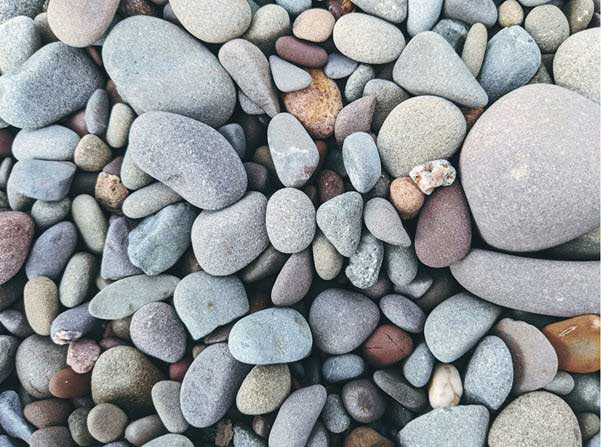
Few landscaping materials deliver as much visual charm and practical versatility as pea gravel. Those smooth, rounded stones—typically ranging from 3/8 to 5/8 inch in diameter—have become a staple in American backyards, adorning everything from winding garden paths to modern fire pits and chic patio borders. Unlike harsh, angular crushed stone, pea gravel offers a softer aesthetic that complements both rustic farmhouse exteriors and sleek contemporary homes. However, before you start envisioning that perfect walkway, one critical question inevitably surfaces: what is the actual pea gravel cost for your specific project? Understanding the financial investment upfront helps you budget accurately, avoid surprises, and plan a landscape upgrade that adds genuine value to your property without breaking the bank.
Breaking Down the Base Price of Pea Gravel
When shopping for landscaping aggregates in the United States, you’ll quickly discover that pricing varies significantly depending on where you live, how much you purchase, and the supplier you choose. On average, homeowners can expect to pay between $30 and $60 per cubic yard for bulk pea gravel delivered to their residence. If you prefer the convenience of bagged gravel from a big-box retailer like Home Depot or Lowe’s, the cost per cubic yard translates to roughly $100 to $150 when you account for the premium of individual 0.5-cubic-foot bags. For smaller projects, such as a compact patio border or a modest planter bed, a few bags might suffice, but for anything substantial, bulk delivery is almost always the more economical route.
The geographic location plays a substantial role in determining the final price tag. In states like Texas or Florida, where aggregate materials are abundant, prices tend to skew toward the lower end of the spectrum. Conversely, homeowners in the Northeast or Pacific Northwest, where transportation distances are longer and demand is higher, may encounter steeper quotes. Additionally, the color and type of pea gravel influence cost. Standard tan and brown blends are the most affordable, while specialty options—like the popular white or buff-colored varieties—can command a premium of 20 to 40 percent more. Always request quotes from at least three local suppliers to ensure you’re getting a competitive rate.
Factors That Influence Your Total Investment
It’s tempting to focus solely on the material price, but the true pea gravel cost extends beyond the stones themselves. Delivery fees are a significant consideration, particularly if you live in a rural area or on a property with limited truck access. Many suppliers charge a flat delivery fee ranging from $50 to $150, while others offer free delivery on orders exceeding a certain volume, often five cubic yards or more. Before placing an order, clarify the delivery terms and ask whether the driver will place the gravel on a tarp or just dump it at the curb—this can save you considerable manual labor.
Another hidden expense involves the base preparation. Pea gravel is not a “dump-and-go” material if you want a stable, long-lasting surface. Professional landscapers recommend installing a weed barrier fabric beneath the gravel to prevent unwanted growth, and many projects require a compacted sub-base of crushed stone for proper drainage and stability. These preparatory materials add to your overall budget, but they are essential for preventing a frustrating, messy outcome where stones migrate into your lawn or sink into soft soil. Additionally, if you’re replacing an existing surface, you’ll need to factor in the cost of removing and disposing of the old material, which can range from $100 to $300 depending on the volume.
Comparing Costs: Pea Gravel vs. Alternative Materials
To truly appreciate the value proposition of pea gravel, it helps to compare it against other popular hardscaping options. A cubic yard of standard crushed stone typically costs between $15 and $30, making it slightly cheaper than pea gravel. However, crushed stone lacks the smooth, rounded texture that makes pea gravel comfortable to walk on barefoot and aesthetically pleasing in decorative applications. On the other end of the spectrum, poured concrete patios run anywhere from $6 to $12 per square foot installed, while interlocking pavers can set you back $10 to $25 per square foot. When you calculate pea gravel at roughly $1 to $3 per square foot (at a depth of two to three inches), the savings become immediately apparent.
For homeowners seeking an affordable yet attractive solution, pea gravel offers an unbeatable balance. It provides excellent drainage, eliminates the need for mortar or specialized installation tools, and can be easily refreshed by simply adding more stones. Unlike wood mulch, which requires annual replacement and can attract pests, pea gravel is a permanent, low-maintenance investment. The stones don’t decompose, they resist weed growth when properly installed with a barrier, and they naturally deter burrowing animals. This longevity makes the initial pea gravel cost a smart long-term investment for budget-conscious homeowners who still desire a polished, designer look.
How Much Gravel Do You Actually Need?
One of the most common mistakes DIYers make is underestimating the volume of gravel required for their project. Ordering too little means paying additional delivery fees for a second load, while ordering too much leaves you with an unsightly pile in your driveway. To calculate your needs, multiply the length by the width of your project area to determine the square footage. Then, multiply that number by the desired depth in feet. For most walkways and patios, a depth of two to three inches is ideal—enough to provide full coverage without creating a surface that feels unstable underfoot. One cubic yard of pea gravel covers approximately 100 square feet at a three-inch depth, or 160 square feet at a two-inch depth.
Consider, for example, a standard walkway measuring 4 feet wide by 20 feet long. This equals 80 square feet, which at a three-inch depth would require roughly 0.8 cubic yards of material. In terms of cost, that translates to about $24 to $48 for the gravel itself, plus delivery fees. This modest investment can completely transform the entryway to your home, creating a welcoming path that guides visitors to your front door. For larger projects like a full backyard patio, you might need anywhere from 3 to 8 cubic yards, bringing your material cost to $150 to $480—still a fraction of what a hardscape contractor would charge for a poured concrete alternative.
Professional Installation vs. DIY: Weighing Your Options
When considering the total pea gravel cost, you must decide whether to tackle the installation yourself or hire a professional landscaper. The good news is that pea gravel is one of the most DIY-friendly materials available. The basic process involves excavating the area to the desired depth, installing landscape fabric, edging the perimeter with metal or plastic borders, and then shoveling and raking the gravel into place. For a weekend warrior with basic tools and moderate physical fitness, a 200-square-foot project is entirely manageable within two days.
However, there are scenarios where hiring a professional makes sense. If your project area is large, sloped, or requires extensive grading, a landscaper can ensure proper drainage and prevent future erosion issues. For homeowners in Sydney who are planning larger outdoor projects, working with a landscaping company Sydney can also be useful when the project involves grading, drainage, pathways, or other elements that require professional planning. Professional installation typically adds $2 to $4 per square foot to your project, bringing the total cost to roughly $5 to $7 per square foot. This premium buys you peace of mind, guaranteed workmanship, and significant savings on your own time and physical labor.
Maintenance and Long-Term Value
One of the most compelling reasons to choose pea gravel is its remarkably low maintenance requirements. Unlike lawns that need weekly mowing or flower beds that demand constant weeding, a pea gravel surface requires only occasional raking to redistribute stones and keep the area looking tidy. Over time, you may notice some stones migrating to the edges or into adjacent grass—a simple sweep or rake solves this in minutes. If you notice thin spots developing in high-traffic areas, simply add a fresh layer of gravel to restore the surface. This minimal upkeep means your initial investment continues to pay dividends year after year.
From a real estate perspective, well-executed pea gravel landscaping can enhance your property’s curb appeal and perceived value. Real estate agents often note that attractive outdoor spaces create strong first impressions, potentially leading to faster sales and higher offers. While pea gravel won’t add the same dollar-for-dollar value as a kitchen renovation, it represents one of the most cost-effective ways to boost your home’s exterior aesthetic. For homeowners planning to sell in the near future, a tidy gravel path or a neat patio area can be the differentiating factor that sets your listing apart in a competitive market.
Practical Tips for Maximizing Your Budget
As you prepare to purchase materials, keep several money-saving strategies in mind. First, always order slightly more gravel than your calculations suggest—adding 10 percent accounts for compaction, spillage, and future top-ups. Second, time your purchase strategically. Many landscape suppliers offer seasonal discounts in late summer or early fall when demand slows down, allowing you to secure better pricing. Third, consider purchasing “surplus” or “mixed” gravel from local quarries, which is often sold at a discount because it contains a variety of stone colors. This option works particularly well for informal garden paths where uniform color is less critical.
Finally, don’t overlook the possibility of sourcing materials from local construction or landscaping companies that may have excess gravel from completed projects. Online marketplaces like Craigslist and Facebook Marketplace occasionally list free or heavily discounted gravel from homeowners who over-ordered. While this approach requires patience and flexibility, it can dramatically reduce your material costs. Regardless of where you purchase, always inspect the gravel quality before committing to a large order—high-quality stones should be uniformly sized, free from excessive dust, and have a consistent, attractive color.
Making Your Final Decision
The humble pea gravel proves that affordable landscaping doesn’t have to mean sacrificing style or durability. By understanding the various factors that influence the pea gravel cost, you can make an informed decision that aligns with your budget and aesthetic goals. Whether you’re creating a charming garden path, a functional play area for children, or a sophisticated backdrop for outdoor entertaining, pea gravel delivers remarkable versatility at a price point that few other materials can match. The combination of low upfront costs, minimal maintenance requirements, and lasting durability makes it an intelligent choice for homeowners across the United States.
As you embark on your landscaping journey, remember to gather multiple quotes, calculate your material needs carefully, and plan for proper installation to ensure your gravel surface stands the test of time. With a little effort and strategic planning, you can achieve a beautiful, functional outdoor space that enhances your home’s value and your enjoyment of it for years to come. The investment you make today in quality pea gravel will reward you with a landscape that remains attractive, practical, and effortlessly stylish through every season.