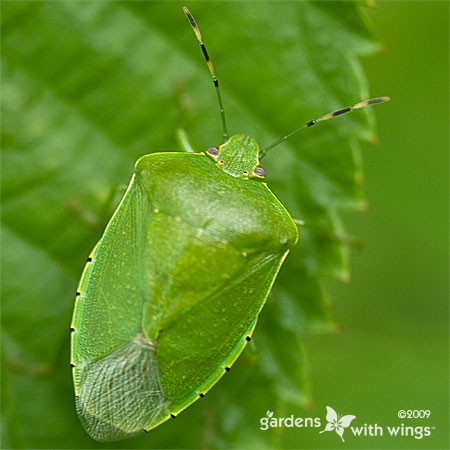
Late September is when it happens. The asters are covered in skippers, the last monarchs are fueling up for the trip south, and the sunny side of the house is suddenly crawling with stink bugs. That same week, plenty of homeowners grab a perimeter spray, and the chemical meant to keep bugs off the porch drifts onto the milkweed three feet away.
That spot, where a clean house meets a living garden, is where home pest control has changed the most. The old routine was a quarterly barrier spray around the foundation and a mosquito fog in June. More people now treat the house and the garden as two separate jobs.
Seal the house, leave the garden alone
The biggest shift is where the work happens. Pest control used to mean treating the yard so insects never reached the walls. Now more of the effort goes into the walls themselves, because most fall invaders, from brown marmorated stink bugs to boxelder bugs and Asian lady beetles, want a warm crack to spend the winter in. They aren’t feeding in your flower beds.
Sealing gaps around window frames, adding door sweeps, and screening attic and soffit vents blocks most of that fall entry. You can also book it as exclusion work with Green Shield Pest Pros in Columbus, so the house gets tightened up and the garden never gets sprayed.
Do it in late August, before the first cool nights send insects looking for shelter. A tube of exterior silicone and a bag of foam backer rod cost less than a single barrier treatment. They also keep working for years.
Why blanket sprays are losing favor
Some of the change comes from hard numbers. According to this article, total butterfly abundance across the continental United States fell by 22% over the two decades ending in 2020, roughly one in every five butterflies gone. Researchers named insecticide use as a leading driver, alongside habitat loss and climate change.
| Measure | Finding |
|---|---|
| Drop in total butterfly numbers | 22% fewer butterflies across the contiguous US |
| Average yearly decline | About 1.3% per year over the 20-year study period |
| Species that lost more than half their numbers | 107 species |
| Species in the abundance estimate | 554 recorded butterfly species |
| Scale of the data | 76,000+ surveys from 35 monitoring programs, 12.6 million+ butterflies counted |
In a backyard, the usual culprits are broad-spectrum pyrethroids such as bifenthrin, the standard product in many mosquito barrier services. Crews spray them onto shrubs and leaf undersides, the same places swallowtail and fritillary caterpillars feed. The rules are moving as well: a growing list of states, including Maryland, New Jersey and Vermont, have pulled neonicotinoid insecticides off the shelf for most homeowner use.
A caterpillar on a treated leaf doesn’t get a second chance.

Integrated pest management comes home
Integrated pest management, or IPM, started on farms and in schools. Now it shows up in ordinary houses. Identify exactly what the pest is, track how many there are, and use the narrowest tool that solves the problem. In practice:
- Set sticky monitoring cards under sinks and along basement walls to learn what is actually getting inside before treating anything.
- Use gel baits for ants indoors, placed along trails, instead of spraying the outside of the foundation.
- Use mosquito dunks containing Bti in rain barrels and birdbaths, since that strain targets mosquito larvae rather than caterpillars.
- Skip Btk products anywhere near host plants, because that strain kills butterfly and moth caterpillars along with cabbage worms.
That last distinction trips up many organic gardeners. “Natural” does not mean butterfly-safe. Btk sounds gentle, but on a patch of parsley it can wipe out a whole brood of black swallowtails.
What pollinator-aware service looks like now
Ten years ago, few customers asked a technician what was in the tank. Today good companies expect the question. Ask which product they plan to use, exactly where it will go, and whether any of it will touch flowering plants. If an outdoor treatment is truly needed, request spot applications at the foundation only, in the evening, after bees and butterflies have settled for the night.
Ask for a buffer, too. Ten feet between any spray and your milkweed, pipevine, spicebush or dill is a sensible start. Put it in the service notes so every visiting technician sees it, not only the one you spoke with.
Your own records help. Many butterfly gardeners keep a simple log of which caterpillars appear on which plants and when. Hand it to a technician and they can see which beds are off limits during peak larval season.
This weekend, walk the outside of the house after dark with a flashlight and mark every gap with painter’s tape. Then push a bright garden stake beside each host plant. By Sunday you’ll have a sealing list for the house and a no-spray map for the garden, both ready before the stink bugs arrive.