You don’t need us to tell you that butterflies are in trouble. Mostly, you just need to look around. Areas in which you used to see healthy butterfly populations have become butterfly ghost towns, and that’s a trend that we’re seeing across the country and world. One recent study found that butterfly populations had declined by as much as 22% between 2020 and 2025.
It’s not up to individuals to restore the butterfly community. That’ll require a collective effort from everyone, including big businesses and the government. With that said, there are absolutely things that homeowners can do to support their local butterfly populations. In this post, we’ll run through some of the best — and often overlooked — ways to make sure that a passing butterfly can find a home in your backyard.
1) Keep The Unconventional Weeds
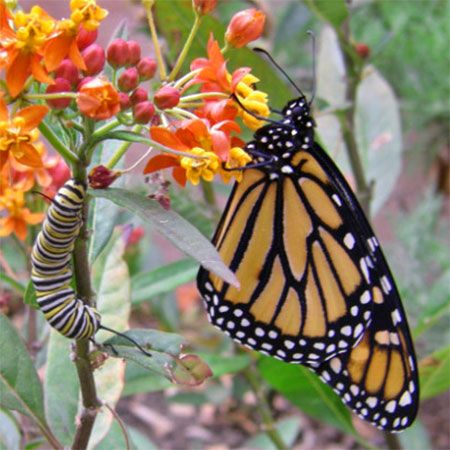
It’s normal for homeowners to want to remove weeds that they find in their backyard. However, if you can pay the small price of having a slightly imperfect backyard (by society’s standards, anyway), then you can go a long way towards supporting butterfly health. Violets, thistles, and stinging nettle can all play an important role in the life cycle of butterflies. Most important of all is milkweed, which should absolutely be left untouched — it’s critical for monarch butterfly populations, since it’s the only food source for monarch caterpillars.
2) Add a Shed
There’s a lot of value in adding a shed to your backyard, since it makes it easier to maintain a tidy, clutter-free outdoor space. Plus, they’re easy to install. Once you’ve got the right shed, you’ll just need to choose from the selection of shed bases available and add some shelves and other storage compartments. So, how will this smart backyard addition help with butterflies, we hear you ask? Because they provide a safe space for butterflies over winter. Butterflies need a cool and stable temperature to make it through, and that’s just what sheds provide. Leaving the window slightly ajar will ensure that butterflies can easily enter/escape the shed without making the space vulnerable to thieves.
3) Stick to Single Flower Plants
Having a backyard filled with plants doesn’t necessarily mean that it’s butterfly-friendly. If it’s filled with double-flowered varieties, then it’ll be mostly useless from a butterfly perspective. Single-flower plants offer easy access to butterflies, have higher nutritional value, and are also something that the butterfly will automatically be looking for. There are a bunch of single-flower plants that are noted as particularly good for butterflies, including coneflowers, asters, zinnias, and black-eyed susans.
4) Stay Away From Herbicides!
Hopefully, this goes without saying, but stay well clear of using herbicides and pesticides in your backyard. You might use it as a way to get rid of an unwanted weed, but these types of products aren’t so refined, and don’t individually target specific living organisms. They tend to kill whatever comes in their way, including butterflies that were just looking for nectar. In 2025, there’s really no need for anyone to be using these products.