A butterfly garden rarely becomes such by accident. You can plant beautiful flowers and still end up with an empty yard. All because butterflies are selective. They look for food, shelter, and the right conditions to stay. That is why choosing the right butterfly garden plants matters more than choosing the prettiest blooms at the nursery.
Gardeners might underestimate how specific butterflies are until nothing shows up. The process feels familiar to anyone who has waited for results after careful planning, whether that means researching plants or even skimming for an EssayPro promo code during a busy week. The difference is that gardens reward patience: if you manage to attract butterflies, they tend to return.
Milkweed (Asclepias)
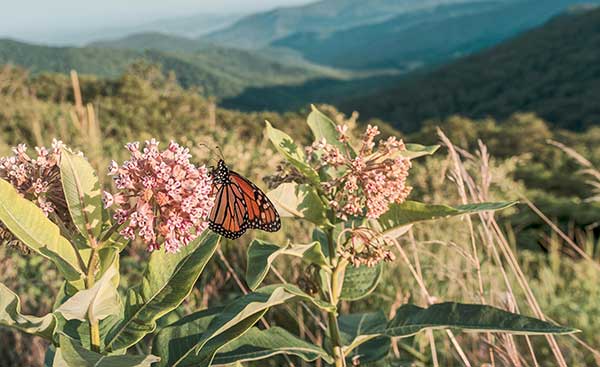
Milkweed is non-negotiable if you want monarch butterflies. It is one of the most important butterfly host plants, meaning monarchs lay eggs on it and caterpillars depend on it to survive. Without milkweed, monarch populations collapse.
Different species fit different climates. Common milkweed works well in open spaces. Swamp milkweed thrives in moist soil and looks more polished in smaller gardens.
Milkweed asks for patience. It may take a full season to establish. Once it does, it becomes a foundation plant for your garden.
Purple Coneflower (Echinacea)
Coneflowers are low-maintenance and generous with nectar. They belong on any list of the best butterfly plants because they attract a wide range of species, from swallowtails to painted ladies.
They also handle imperfect conditions well. Poor soil, heat waves, and missed watering sessions do not faze them. As a bonus, birds feed on the seed heads later in the year, which keeps your garden active beyond butterfly season.
Coneflowers work best when planted in clusters. One plant attracts interest, but three or five create a landing zone that butterflies return to repeatedly.
Dill and Parsley
These herbs do more than belong in your kitchen. They are among butterfly attracting plants for a reason. Female butterflies lay eggs on them, and caterpillars strip the leaves quickly.
Gardeners often panic when their herbs look destroyed. Yet, that damage means your garden is doing its job. If you have ever read long forum threads about essaypro.com reviews, you know how people debate trade-offs and outcomes. Gardening teaches you the same lesson. You sacrifice a tidy look to support life. In return, you get butterflies emerging weeks later.
Plant extra herbs so caterpillars can eat freely without wiping out your supply.
Black-Eyed Susan (Rudbeckia)
Black-eyed Susans bloom for months and provide steady nectar access, which makes them excellent butterfly friendly plants for beginners.
They pair well with grasses and native wildflowers. Their long bloom time bridges gaps when other plants fade. Butterflies rely on that consistency, especially late in summer when nectar sources shrink.
Another advantage is scale. They work in large landscapes and small beds alike. Once established, they reseed gently without becoming invasive.
Zinnias
Zinnias are the fastest way to see results. If you want immediate visual payoff, they belong in your mix of plants for butterfly garden projects. They bloom quickly from seed and keep producing flowers as long as you deadhead them.
They are especially good for children or first-time gardeners because butterflies land openly on their flat petals. You can watch feeding behavior up close.
Zinnias also allow color control. You decide the palette instead of letting the garden decide for you.
Joe-Pye Weed
Despite the name, this is a stately plant with tall stems and soft pink blooms. It thrives in moist soil and attracts large butterflies, including monarchs and swallowtails.
Joe-Pye Weed supports migration periods when butterflies need high-energy nectar sources. That makes it one of the best plants for butterfly garden designs aimed at late summer and early fall activity.
It works best at the back of borders or near fences where its height adds depth rather than blocking views.
Lavender
Lavender is often planted for scent, but butterflies value it for consistent nectar production. It performs especially well in dry, sunny conditions where other plants struggle.
Lavender also contributes to your garden year-round. Even when not blooming, it defines space and keeps the garden from looking empty.
While it does not serve as a host plant, it serves adult butterflies during feeding periods and complements more functional species.
Practical Planting Tips
Choosing the right plants matters, but placement and care matter just as much. Follow these principles:
- Group plants by type to create visible nectar zones.
- Mix host plants with nectar plants so butterflies stay longer.
- Avoid pesticides because it’s also important for your health.
- Provide shallow water sources using stones or sand.
These choices reduce effort over time and increase butterfly visits naturally.