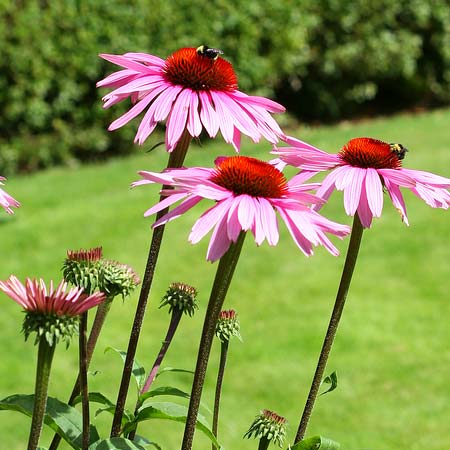
Augusta’s gardeners know the rhythm of the seasons well: azaleas opening in March, tomatoes ripening by July, and the low hum of bees working the coneflowers through late summer. That hum matters more than most people realize. A garden without bees, butterflies, and other beneficial insects is a garden that struggles to produce fruit, reseed itself, or stay resilient against disease. Yet the same warm, humid climate that supports pollinator activity also creates ideal conditions for ants, aphids, beetles, and mosquitoes to multiply quickly. The challenge for local gardeners isn’t choosing between a lively pollinator habitat and a pest-free yard. It’s learning how to manage both at once, using strategies that protect beneficial insects while keeping destructive ones in check.
Choosing Plants That Feed Bees and Starve Pests
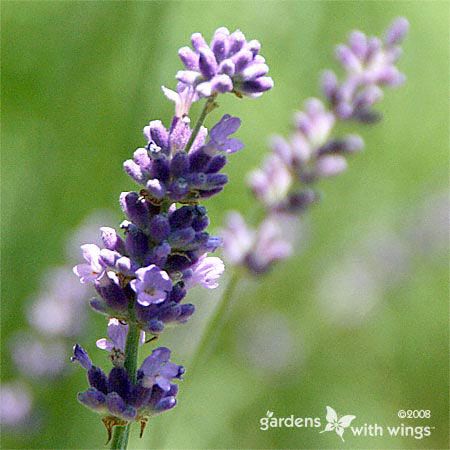
Plant selection is the foundation of a balanced garden, and it does more work than most people give it credit for. Native species such as black-eyed Susan, purple coneflower, and swamp milkweed evolved alongside local pollinators, so their bloom times, nectar composition, and structure match what bees and butterflies actually need. Non-native ornamentals often look appealing but offer little nutritional value, which pushes pollinators to forage elsewhere and leaves garden beds under-visited. At the same time, dense monocultures of a single plant species tend to attract concentrated pest outbreaks, since aphids and beetles can move from one identical host to the next without interruption. Mixing plant families, staggering bloom periods from spring through fall, and including a few aromatic herbs like rosemary or lavender can disrupt that pattern. Aromatic oils in these plants naturally repel certain insects while still welcoming bees. Gardeners who diversify their plantings tend to see fewer severe infestations overall, simply because pests have a harder time locating and settling on their preferred host plants in a crowded, varied bed.
Why Standing Water Invites the Wrong Insects
Drainage is one of the most overlooked factors in pest management, yet it shapes almost everything that happens in a garden bed. Augusta’s clay-heavy soil holds water longer than sandier soils, and that extra moisture becomes a breeding ground for mosquitoes within days. A single saucer left under a potted plant can produce dozens of mosquito larvae in under a week during summer heat. Poor drainage also softens roots and stems, creating easy entry points for fungal pathogens and the beetles that feed on decaying plant tissue. Improving drainage doesn’t require major landscaping work in most cases. Raised beds, amended soil with added compost or coarse sand, and gentle grading away from the house can resolve standing water problems within a single season. For yards with chronic drainage trouble, persistent mosquito populations, or damage that keeps returning despite these fixes, professional Augusta pest control from Clear Defense Pest Control can identify hidden moisture sources that homeowners often miss, such as clogged gutters or low spots hidden beneath mulch.
Watching Before Acting: Monitoring as a Strategy
Scouting a garden regularly, ideally twice a week during peak growing season, catches problems while they’re still small and manageable. Aphid colonies, for instance, can double in size within 48 hours under warm conditions, so a gardener who checks leaf undersides only once a month will likely miss the window where a gentle response would have worked. Look for curled leaves, sticky residue (a sign of aphid honeydew), chewed edges, or small clusters of eggs on stems. Ants marching in visible trails often signal an aphid infestation nearby, since ants farm aphids for the honeydew they produce. Rather than treating the entire bed the moment any pest appears, experienced gardeners isolate the affected plant or section first. This distinction, treating what’s actually infested instead of the whole landscape, is what separates sustainable pest management from routine spraying. When monitoring reveals damage spreading across multiple beds or returning season after season despite home remedies, that’s often the point where Augusta pest control from Clear Defense Pest Control becomes a practical next step, since trained technicians can identify pest life cycles and entry points that aren’t obvious from surface symptoms alone.
Targeted Treatments That Protect Pollinators
Broad-spectrum insecticides kill indiscriminately, wiping out ladybugs, lacewings, and bees along with the aphids or beetles they were meant to control. Targeted approaches work with the garden’s existing biology instead of against it. A few tactics stand out as both effective and low-risk for beneficial insects:

- Introducing or protecting natural predators like ladybugs, lacewings, and parasitic wasps, which feed on aphids and soft-bodied pests without harming pollinators.
- Using insecticidal soap or neem oil directly on affected foliage in early morning or evening, when bees are least active, rather than spraying entire beds mid-day.
- Hand-removing beetles or egg clusters on small infestations, which avoids chemical exposure entirely for low-level problems.
- Applying mosquito dunks containing Bti (a naturally occurring bacterium) to standing water sources, since Bti targets mosquito larvae specifically and leaves other aquatic life unharmed.
These methods take slightly more effort than a blanket spray, but they preserve the insect diversity that keeps a garden self-regulating over time. A yard with a healthy predator population often needs far less intervention the following season.
Building Habitat That Balances Itself
A garden that supports its own pest control system requires structural variety, not just plant variety. Leaving a section of bare, undisturbed soil gives ground-nesting native bees a place to burrow, since roughly 70 percent of native bee species nest underground rather than in hives. Small brush piles or unmowed edges shelter beetles and spiders that prey on plant-damaging insects. Water features, even something as simple as a shallow dish with stones for landing spots, give pollinators a place to drink without creating mosquito breeding sites, provided the water is changed every two to three days. Skipping fall cleanup entirely isn’t necessary, but leaving some seed heads and hollow stems standing through winter gives overwintering pollinators a place to survive the cold months. Gardeners often clear everything in October out of habit, not necessity, and in doing so remove shelter that next year’s bee population depends on.
Seasonal Timing Makes the Difference
Pest pressure and pollinator activity both shift with the calendar, so a static approach rarely works year-round. Spring is when aphid populations first establish, making early monitoring especially valuable before colonies mature. Summer heat accelerates mosquito breeding cycles, so drainage checks matter most between June and August. Fall is the ideal window for planting natives that will bloom the following spring, giving root systems time to establish before winter dormancy. Adjusting garden tasks to match these seasonal patterns, rather than applying the same routine every month, tends to produce steadier results with less labor overall.
End Note
Balancing pollinator health with pest control isn’t about choosing sides between bees and beetles. It’s about paying closer attention to what a garden actually needs at each stage of the season, from soil moisture to plant diversity to the timing of any intervention. Augusta’s climate rewards gardeners who monitor consistently and act selectively rather than reflexively. Most seasons, that approach is enough to keep both the pollinators and the problem insects in reasonable balance, with professional support available for the situations that grow beyond what home methods can resolve.