1. A Backyard Can Be More Than Green Space
A backyard can be one of the most enjoyable parts of a home, but having a beautiful garden does not always mean having a space that people use regularly. Sometimes, the difference comes down to how the outdoor area is organized.
Plants, flowers, and trees bring color and life to a garden, while practical features such as seating areas, pathways, and decks make it easier to spend time outside. The most inviting backyards often combine both.
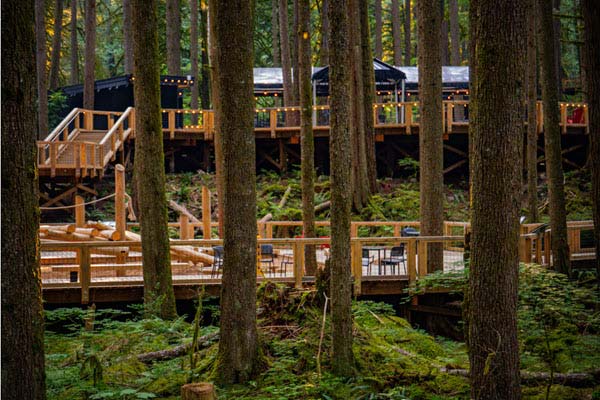
For homeowners planning a larger outdoor improvement, working with a columbus deck builder can be part of creating a comfortable space that connects the house with the surrounding garden. A well-planned deck can provide a dedicated area for relaxing, dining, or enjoying the outdoors without taking away from the natural character of the yard.
The goal is not to replace the garden with construction, but to make the entire outdoor space more enjoyable.
2. Give Nature a Place in the Design
When planning a backyard, it is easy to focus on furniture, materials, and decorative features. However, the natural elements deserve just as much attention.
Flowers, shrubs, and trees can influence how a backyard looks and feels throughout the year. They also provide valuable habitats for butterflies, bees, birds, and other wildlife.
Choosing a variety of flowering plants can help create a garden that changes with the seasons. Native plants are particularly worth considering because many are adapted to local conditions and can support native pollinators.
3. Create Different Areas for Different Activities
A backyard often needs to serve more than one purpose. One person might want somewhere to read, while another prefers an area for outdoor meals or spending time with family.
Dividing the space into smaller functional areas can help everyone enjoy it.
Depending on the available space, homeowners might consider:
- A seating area for relaxing or entertaining
- A flower garden that attracts butterflies and other pollinators
- A shaded corner for reading or quiet afternoons
- A dining area close to the house
- Open lawn space for children or pets
- Garden pathways connecting different areas
These features do not have to be large or expensive. Even a small backyard can feel more functional when each area has a clear purpose.
4. Think About How Everything Connects
One of the most overlooked parts of backyard planning is the connection between different spaces.
A seating area might look attractive on its own, but if reaching it means walking across wet grass or navigating around flower beds, it may not be particularly convenient.
Pathways, stepping stones, and changes in surface materials can make outdoor areas easier to access.
The relationship between the house and garden also matters. Outdoor dining areas, for example, are often more practical when they are close to the kitchen.
5. Make Room for Shade and Comfort
Sunlight is important for many garden plants, but people do not necessarily want to sit in direct sunlight all afternoon.
Shade can make a significant difference in how often an outdoor area gets used, especially during warmer months.
Trees are a natural way to provide shade, although they require time and space to grow. Pergolas, umbrellas, and other outdoor structures can offer additional options.
Comfort also depends on factors such as privacy, airflow, and the position of furniture.
A backyard that looks beautiful in photographs but becomes uncomfortable during the hottest part of the day may not be as enjoyable as expected.
6. Let the Garden Change With the Seasons
A beautiful outdoor space should offer something interesting beyond the summer months.
Selecting plants with different flowering periods can help extend the garden’s appeal. For butterfly-friendly gardens, it is also useful to consider host plants for caterpillars alongside nectar-producing flowers for adult butterflies.
Thinking about seasonal changes during the planning stage can prevent the backyard from feeling empty for much of the year.
7. Choose Materials That Work Outdoors
Outdoor materials need to handle conditions that indoor furniture and surfaces rarely face.
Rain, sunlight, temperature changes, and everyday use can all affect how different materials perform over time.
Wood, composite decking, natural stone, and concrete each have their own appearance and maintenance requirements.
The right choice depends on the climate, budget, intended use, and how much maintenance homeowners are comfortable managing.
It is also worth considering how these materials look alongside the garden. Natural textures and neutral colors can help built features blend with surrounding plants rather than competing with them.
8. A Backyard Should Be Easy to Enjoy
A backyard should not become another part of the home that constantly demands attention.
While gardening naturally involves some maintenance, thoughtful planning can make the space easier to manage.
Choosing plants suited to local growing conditions, leaving enough room for mature growth, and keeping frequently used areas accessible can reduce unnecessary work.
The same applies to outdoor furniture, pathways, and other features. Materials that suit the environment and the way the space is used are often more practical than choices made purely for appearance.
It is better to create a manageable outdoor space that gets used regularly than an elaborate one that becomes difficult to maintain.
9. The Best Outdoor Spaces Bring Everything Together
A successful backyard does not need to follow one particular design trend.
Some homeowners prefer colorful flower gardens filled with butterflies, while others enjoy simple lawns, comfortable seating, or a combination of natural and built features.
What matters most is how the different elements work together.
Plants can make an outdoor area feel alive. Pathways and decks provide structure. Seating and shade make it comfortable enough to enjoy.
When these features are planned with everyday life in mind, a backyard becomes more than a place to grow flowers or maintain a lawn.
It becomes an extension of the home, with room for both people and nature.