Taking on a remodeling project without a general contractor gives homeowners greater control over cost and design decisions. However, it also shifts responsibility for logistics that professionals typically handle behind the scenes. One of the most overlooked elements in DIY remodeling is waste planning. Ordering a roll-off dumpster may seem straightforward, but the timing, size selection, placement, and material restrictions all influence how smoothly the project unfolds.
For homeowners and DIY remodelers, understanding how roll-off rentals function before placing the order can prevent delays, added expenses, and unnecessary complications.
Start With a Realistic Scope of Work
The first step in planning for a roll-off is evaluating the true scope of the project. Many remodels expand once demolition begins. What starts as a cabinet replacement may uncover water damage. Removing drywall may expose electrical updates that require additional tear-out.
Before ordering a dumpster, consider:
- How many rooms are involved
- Whether structural elements are being removed
- The possibility of subfloor or framing repairs
- The type of materials being demolished
Underestimating debris volume is one of the most common DIY mistakes. Building in a margin for unexpected waste reduces the need for emergency container swaps.
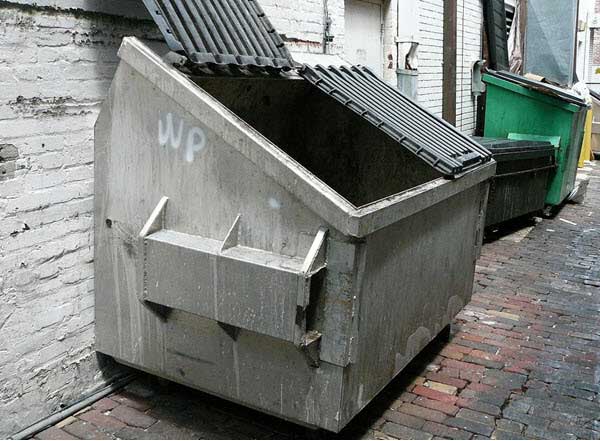
Understand Volume vs. Weight
Roll-off containers are typically sized in cubic yards, but weight is often the more important factor. A container may appear only partially full yet already be approaching its weight limit.
Common remodeling materials vary significantly in density:
- Drywall and plaster are heavier than they appear
- Tile and concrete are extremely dense
- Cabinetry and wood framing are bulky but lighter
- Roofing debris is compact and heavy
DIY remodelers should evaluate both the physical space debris will occupy and the approximate weight it will generate. Weight overages can add cost and may delay pickup if containers exceed transport limits.
Choose the Appropriate Container Size
Roll-off dumpsters come in a range of sizes. Selecting the right one depends on project type and debris mix.
Smaller containers may be appropriate for:
- Single-room remodels
- Bathroom updates
- Minor interior demolition
Larger containers are typically better suited for:
- Full kitchen renovations
- Multi-room flooring replacement
- Whole-home remodels
Opting for a container that is too small may require additional hauls, while an oversized container may occupy more driveway space than necessary. Reviewing project specifics with a provider such as Waste Removal USA helps align container size with actual debris expectations.
Plan Placement Carefully
Driveway placement is common for residential remodels. However, placement decisions should consider:
- Access to the garage
- Pedestrian pathways
- Proximity to the work area
- Surface protection
Positioning the container close to the demolition zone reduces repeated lifting and hauling across the property. At the same time, ensuring that vehicles can enter and exit the driveway maintains household functionality during the project.
Placing boards under contact points may help distribute weight and reduce surface marking.
Check Local Regulations and Permit Requirements
In some municipalities, placing a roll-off container on the street requires a permit. Homeowners associations may also have placement guidelines or time restrictions.
Before ordering a dumpster, DIY remodelers should confirm:
- Whether driveway placement is required
- If street placement is allowed
- Any neighborhood restrictions
- Rental duration limitations
Addressing these factors in advance prevents last-minute complications or forced relocations.
Confirm What Materials Are Allowed
Not all materials can be placed in a roll-off dumpster. Hazardous substances, certain electronics, and regulated items may require separate disposal methods.
Before demolition begins, clarify:
- Whether paint or solvents are permitted
- If appliances require separate handling
- Rules regarding treated lumber or specific adhesives
Mixing prohibited materials into a general debris container can result in rejected loads or additional fees.
Schedule Delivery Strategically
Timing matters. Ordering a roll-off too early may result in unused rental days before demolition starts. Ordering too late can delay the project if debris has nowhere to go.
Ideal timing ensures the dumpster arrives:
- Before demolition begins
- With adequate rental duration
- With flexibility for potential project expansion
Coordinating delivery around your actual work schedule reduces idle time and maintains project momentum.
Prepare for Heavy Debris Phases
Demolition generates the most concentrated waste output. Tile removal, cabinet tear-out, and wall removal can fill a container quickly.
DIY remodelers should:
- Remove debris consistently throughout the day
- Avoid stacking materials inside the house
- Monitor fill levels frequently
- Distribute weight evenly
Even distribution helps prevent shifting during transport and keeps weight within safe limits.
Protect Yourself During Loading
Roll-off use involves manual handling of heavy materials. Safety practices reduce injury risk:
- Wear gloves and protective footwear
- Use proper lifting technique
- Avoid throwing heavy materials from excessive height
- Keep loading pathways clear
Maintaining a tidy approach to debris removal supports both personal safety and project efficiency.
Consider Weather Conditions
Rain increases debris weight and can soften asphalt driveways. High temperatures may also affect surface conditions.
Planning for weather includes:
- Covering debris when possible
- Monitoring weight accumulation during wet conditions
- Using protective boards under container contact points
Being proactive minimizes surface damage and reduces transport complications.
Avoid Overfilling the Container
Roll-off dumpsters have fill lines that indicate maximum safe capacity. Debris should remain below this threshold.
Overfilled containers may:
- Be rejected for transport
- Require manual unloading
- Delay pickup
Leaving adequate clearance ensures smooth removal and prevents schedule disruptions.
Think Beyond Demolition
Remodeling waste continues beyond tear-out. Packaging from new materials, trim scraps, and installation debris also require disposal.
Scheduling pickup after installation is complete allows homeowners to dispose of final waste efficiently rather than relying on standard trash service.
Budget for Disposal as Part of the Project
Waste removal is a necessary component of remodeling. Including dumpster rental in the overall project budget ensures financial expectations remain realistic.
Cost variables may include:
- Container size
- Rental duration
- Included weight allowance
- Overage charges
Understanding these factors helps DIY remodelers avoid unplanned expenses.
Ordering a roll-off dumpster for a remodeling project requires more planning than many homeowners anticipate. Debris volume, weight, placement logistics, material restrictions, and local regulations all influence the effectiveness of waste removal.
By evaluating project scope carefully, selecting the appropriate container size, scheduling delivery strategically, and practicing safe loading habits, DIY remodelers can maintain organized workspaces and steady project progress. Thoughtful planning ensures the roll-off supports the remodel rather than becoming a source of unnecessary complication from demolition through final cleanup.