If you want more birds, bees, and butterflies in your yard, a pollinator-friendly garden is one of the best ways to help. It is easier to start small in any space you have. When you plan your garden step by step, you give food and shelter to bees, butterflies, and other tiny helpers. These helpers move pollen from flower to flower so plants can grow fruit, seeds, and new blooms. A simple garden bed, a corner of your yard, or even a few pots can become a little home for them.
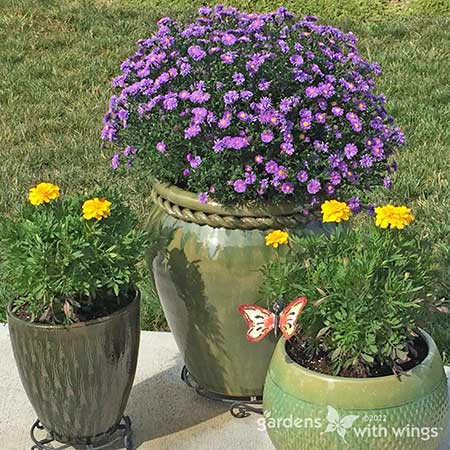
You can also learn from others who love nature and gardening. For example, on mygravelmonkey, you can explore ideas, tips, and simple garden projects that fit everyday yards. Use it like a friendly guide when you feel stuck or need a fresh dose of inspiration.
What Is a Pollinator-Friendly Garden?
A pollinator garden is a space filled with plants that give nectar and pollen to insects and birds. These include bees, butterflies, moths, beetles, flies, and even hummingbirds. They visit your plants to eat, and at the same time, they help them grow.
In a pollinator-friendly garden, the goal is to make life easy for these visitors. You give them three main things: food, flowers, water, and places to rest and nest. When these needs are met, your garden becomes busy, colorful, and full of life.
Step 1: Choose the Right Location
First, pick a spot that gets plenty of sun. Many pollinator plants like at least six hours of light every day. A sunny area helps flowers bloom more, and more blooms mean more food for pollinators.
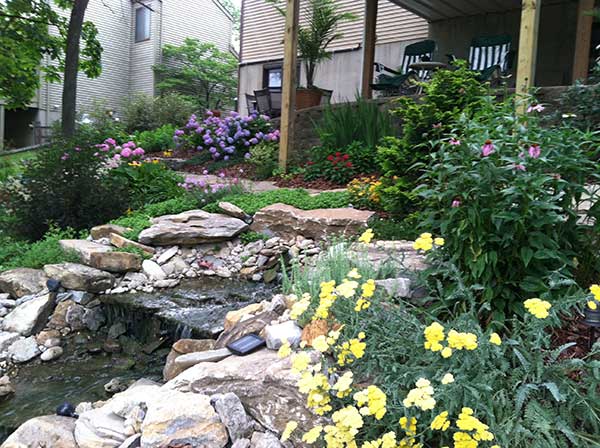
Try to choose a place that you can see from a window or where you walk often. When you see your garden every day, you are more likely to water it, pull weeds, and enjoy the beauty. It also feels good to watch the changes from season to season.
Step 2: Use Native and Seasonal Plants
Native plants are flowers and shrubs that naturally grow in your region. These plants are like old friends to local bees and butterflies. They match the local weather, soil, and seasons, so they usually need less care and less water.
You can ask your local nursery about these beginner-friendly ideas:
- Coneflower, columbine, and wild geranium bloom in the spring.
- Bee balm, black-eyed Susan, and coreopsis are flowers that bloom in the summer.
- Goldenrod, asters, and sedum bloom late in the season.
Step 3: Plan for Colour and Variety
Pollinators love gardens with many shapes, heights, and colors. Your garden is like a buffet. The more choices you offer, the more visitors will stop by. Bright colors such as purple, yellow, orange, and blue are especially attractive to pollinators.
Plant flowers in groups or clumps instead of single, lonely plants. When bees or butterflies see a big patch of one flower, it is easier for them to find and use the nectar.
Step 4: Provide Water and Shelter
Just like us, pollinators need a drink and a place to rest. You do not need a fancy fountain. A shallow dish with clean water and a few small stones inside works well as a simple pollinator water source. The stones give insects a safe place to land so they do not fall in.
For shelter, you can:
- Leave some bare ground for ground-nesting bees.
- Keep a few hollow stems or dried stalks over winter.
- Add a small bee house or insect hotel.
These spots become cozy homes where pollinators can hide from bad weather, raise their young, and sleep.
Step 5: Avoid Pesticides and Chemicals
One of the biggest favors you can do for pollinators is to keep your garden as natural as possible. Many common yard sprays and chemicals can harm bees, butterflies, and other helpful insects, even when you do not mean to.
Healthy soil and strong plants are natural defenses. If you feed the soil with compost and mulch, your plants will be tougher and less likely to need harsh chemicals.
Enjoy Your Living Garden
A garden that is good for pollinators has more than just pretty flowers. It’s a small thing you can do right outside your door to help the planet. You know your space is working when you see bees buzzing, butterflies dancing, and birds stopping by for a snack.
One step at a time, have faith in the process, and enjoy the ride. You can make any part of your yard a bright, buzzing haven for pollinators and a peaceful place for yourself with a little planning, some patience, and helpful guides like mygravelmonkey.