A butterfly garden depends on stillness, and a young spaniel runs on motion. Berry Creek Labs breeds English Cocker Spaniels for work in the field, so the kennel knows how these dogs behave: they quarter ground, push through cover and flush whatever is hiding in it. That instinct does not stop at the garden gate, and it will test every bed you plant.
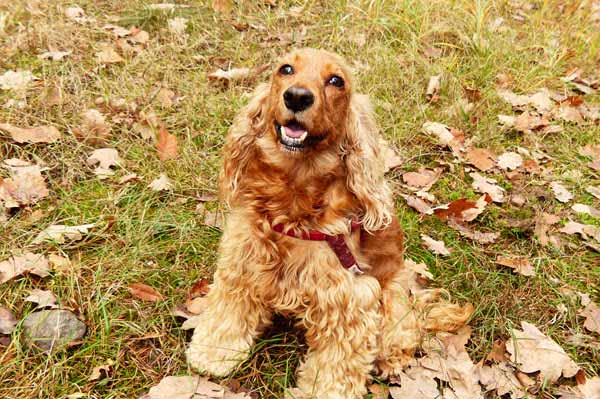
Planning ahead is easier than repairing a trampled milkweed patch in July. Berry Creek Labs, a small family kennel in Gladstone, Illinois that breeds health-tested British Labradors and English Cocker Spaniels from UK-imported field lines, aims for cockers that are calm and trainable at home yet full of drive in the field. A yard can follow the same dual-purpose idea, with one zone for work and one for quiet.
The dog comes first, because temperament and soundness decide how much management your beds will need. Reading the health results listed with Berry Creek Labs’ English Cocker Spaniel puppies shows what a careful program records for its breeding dogs, for example OFA hips rated good, OFA eyes normal, and genetic panels such as AMS clear and CNM clear.
Are butterfly garden plants safe for dogs?
Not all of them are. Milkweed, the host plant that monarch gardens are built around, is listed by the ASPCA Animal Poison Control Center as toxic to dogs, cats and horses, and some Asclepias species contain cardiotoxins. That does not mean you have to rip it out. It means milkweed gets a deliberate location, ideally behind a barrier your dog cannot casually push through.
As of 2026, the ASPCA listing is still the first reference worth checking before a new plant goes in. The rest of this plan stays generic on purpose, so look up each specific species you buy instead of assuming a whole category is fine or off limits. A nursery tag is not a safety review.
How do you zone a yard for a dog run and pollinator beds?
Give the dog a bigger, more interesting space than the beds, then put the pollinator plantings on the far side of a clear boundary. A spaniel with a worn path, a digging spot and room to sprint is less likely to treat your borders as the only entertainment. Think in three zones:
- The run: a durable strip of lawn or packed ground along the fence line, where the dog can burn energy and chase a tossed bumper.
- The buffer: a stretch of path, gravel or low edging between the run and the beds, so the dog has to make a choice before crossing.
- The pollinator beds: nectar plantings, grasses and herbs in drifts, with milkweed in the least reachable corner.
A knee-high decorative fence stops a puppy for an afternoon, but a flushing breed will go over or through it. Use sturdy fencing, or plant on the side of the yard where the dog has no off-leash access.
Where should each pollinator plant go?
The table turns the zoning idea into a placement plan. Milkweed is the only plant here with a toxicity concern, so the other risk notes describe behavior such as trampling and digging.
| Plant type | Why butterflies use it | Dog risk note | Where to put it |
| Milkweed (Asclepias) | Monarch host plant and nectar source | Listed by the ASPCA as toxic to dogs | Fenced bed, far corner, no off-leash access |
| Nectar annuals | Steady flowers for adults all summer | Soft stems flatten under a running dog | Raised beds behind the buffer |
| Native grasses | Shelter and larval host for some species | Dense clumps invite flushing and diving in | Back borders, away from the run edge |
| Herbs | Small blooms adults visit when allowed to flower | Constant sniffing and digging in loose soil | Containers near the patio |
Container planting is underrated with a young dog. Moving a pot is far easier than rebuilding a bed, and a raised planter keeps loose soil out of reach of enthusiastic paws.
Do mulch and water features cause problems?
They can, mostly because dogs treat both as toys. Pick plain shredded bark or leaf mulch, lay it thin, and watch a puppy closely for the first few weeks. If the dog keeps mouthing it, switch the high-traffic edges to gravel paths and save mulch for the back of the beds.
Butterflies drink from damp sand and mud, so a shallow dish of wet sand with a few flat stones works well in the pollinator zone. Keep it apart from the dog’s water bowl, which belongs in the run, and refresh both often. Spaniels love water, so a deep pond or a fountain with slippery edges is better left out until the dog is trained and reliable around it.
How do you train a flushing breed to respect garden beds?
Teach a boundary and reward it long before the beds bloom. A spaniel is bred to work cover, so a bed of tall plants looks like a job to be done, and your task is to offer a better one.
Begin on a leash at the edge of the buffer. Reward the dog for stopping at the line, then release it toward the run, where a retrieve or a scent game is waiting. Short daily sessions work better than a long weekend lesson. A calm, trainable temperament makes this far easier, which is why it is worth asking a breeder how the parents behave at home as well as in the field.
Add structured work so the drive has somewhere to go: hidden bumpers in the run, retrieves, simple obedience. Supervise off-leash time until the line holds, never leave a young dog alone near an unprotected milkweed bed, and teach a firm leave-it cue for the butterflies themselves.
What should you look for in a well-bred puppy for a garden household?
Look for a breeder who tests, publishes results and talks openly about temperament. The Orthopedic Foundation for Animals (OFA) grades hips, and excellent, good and fair all fall within normal limits and receive OFA numbers, so a posted grade is a record you can check rather than a verbal assurance. Eye results and genetic panels add to that picture.
Berry Creek Labs states on its website, “We believe Quality is much more important than Quantity.” That approach shows in how the kennel works: it raises several litters a year and does not keep puppies on hand at all times, so families interested in a cocker ask about upcoming litters and wait. For a gardener, patience is a fair trade for a dog whose health and temperament were considered before the litter was planned.
The family behind the kennel grew up hunting waterfowl along the Mississippi River and upland birds, which is why Berry Creek Labs breeds dual-purpose dogs for the field and the home. In a butterfly yard, that dual nature is practical: a dog with real drive outdoors and a settled off switch indoors is one you can train to respect a boundary.
A yard that works for both
A good shared yard gives the dog a job and a run, and gives the butterflies a protected, flower-filled corner with milkweed placed on purpose. Start with the zones, keep the placement plan simple, and train the boundary before the beds fill in. Done in that order, the spaniel gets its fieldwork energy out where it belongs and the monarchs still get their garden.