Have you ever arranged a beautiful bouquet and wondered if butterflies could benefit from those fresh-cut flowers sitting in your vase? It’s a delightful question that connects our love for indoor floral displays with the enchanting world of butterflies and flowers. The short answer is yes, butterflies can access nectar from cut flowers, but some important factors determine whether they’ll actually visit your arrangement. Let’s explore this fascinating relationship and discover how you can make your indoor blooms more appealing to these delicate visitors.
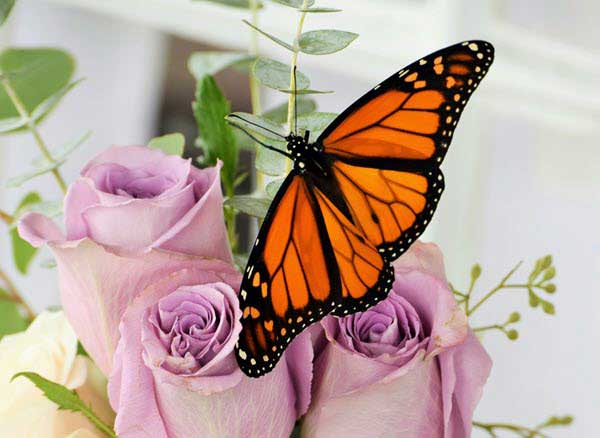
Do Butterflies Eat Flowers? – Understanding Butterfly Nutrition
Before we dive into cut flowers specifically, it’s essential to understand what butterflies actually consume. Contrary to what some might think, do butterflies eat flowers? Not exactly. Butterflies don’t eat the flower petals themselves. Instead, they feed on the sweet nectar hidden within the blossoms, using their specialized proboscis – a long, straw-like tongue that uncoils to reach deep into flower centers.
Butterfly nutrition is surprisingly sophisticated:
Nectar as primary fuel: This sugary liquid provides the carbohydrates butterflies need for energy and flight. When you see a butterfly on a flower, it’s extracting this vital nutrition through its proboscis, which can sometimes be longer than its entire body.
Mineral supplementation: Butterflies also engage in “puddling,” where they drink from mud puddles or wet soil to obtain essential minerals and salts that nectar alone cannot provide.
Overripe fruit: Many butterfly species also feed on fermenting fruits, which offer additional sugars and nutrients that complement their nectar diet.
Tree sap: Some species occasionally feed on tree sap, especially when flowers are scarce during certain seasons.
The relationship between butterflies and flowers has evolved over millions of years into a perfect partnership. Flowers produce nectar to attract pollinators, while butterflies get nourishment and, in the process, inadvertently carry pollen from bloom to bloom, ensuring plant reproduction.
Fresh-Cut Flowers in a Vase – The Challenge for Butterflies
Now, what about those gorgeous flowers in a vase adorning your dining table? While butterflies can technically access the nectar from cut flowers, several challenges make this less likely than you might hope.
The main obstacles include:
Indoor location: Butterflies are outdoor creatures that navigate using natural light and environmental cues. They rarely venture indoors unless accidentally trapped, so your beautiful arrangement of fresh roses and other blooms in your living room probably won’t attract visiting butterflies.
Nectar depletion: Once flowers are cut, they begin to deteriorate. While they may look fresh for days, the nectar production often stops or significantly decreases shortly after cutting, making them less appealing to butterflies seeking food sources.
Lack of visual cues: Butterflies rely heavily on sight to locate flowers. Indoor arrangements lack the natural context and backdrop that help butterflies identify feeding opportunities in gardens and meadows.
Limited scent diffusion: While fresh-cut flowers may smell wonderful to us, their scent doesn’t travel as far indoors as it does in an outdoor garden, where air currents carry fragrances to potential pollinators.
However, if you place your flowers in a vase on an outdoor patio, porch, or near an open window, you increase the chances of butterfly visitors discovering them. The key is making your arrangement accessible and visible from the butterfly’s natural environment.
What Scent Attracts Butterflies? – The Role of Fragrance and Color
Understanding what scent attracts butterflies is crucial if you want to create arrangements that appeal to these winged visitors. Butterflies have a remarkable sense of smell, detecting floral fragrances through their antennae and even their feet. They’re particularly drawn to sweet, pleasant scents that signal nectar-rich blooms.
Preferred fragrances and characteristics include:
Sweet and mild perfumes: Butterflies favor flowers with gentle, sweet fragrances rather than overpowering scents. Plants like lavender, lantana, and butterfly bush emit the types of aromas that consistently attract various butterfly species.
Color matters as much as scent: While we’re discussing fragrance, it’s impossible to ignore color. Butterflies see a broader color spectrum than humans, including ultraviolet light. They’re especially attracted to bright colors like purple, red, yellow, pink, and orange. A butterfly on a flower is often the result of both visual and olfactory attraction working together.
Tubular flower shapes: Beyond scent, butterflies prefer tubular flowers or flat landing platforms that make nectar easier to access. Think of how perfectly suited a butterfly on a flower like a zinnia or coneflower appears – these designs evolved specifically to accommodate butterfly feeding.
When selecting fresh-cut flowers with butterflies in mind, choose varieties known for their fragrance and bright colors. While these might not draw butterflies indoors, understanding these preferences helps when creating outdoor arrangements or planning garden layouts.
How to Create a Butterfly-Friendly Flower Arrangement
If you’re determined to create a floral display that butterflies might actually visit, there are strategic approaches that increase your chances of success. The key is to think like a butterfly and adapt your arrangement accordingly.
Here’s how to make your display more appealing:
Choose the right location: Place your flowers in a vase outdoors – on a porch, patio, or garden table – where butterflies naturally forage. Ensure the spot receives plenty of sunlight, as butterflies are most active in warm, sunny conditions and can better detect flowers in bright light.
Select nectar-rich varieties: Not all flowers produce equal amounts of nectar. Opt for blooms known for generous nectar production, such as zinnias, cosmos, purple coneflowers, asters, and black-eyed Susans. These varieties maintain some nectar even after cutting, especially if you refresh them with clean water regularly.
Include fragrant options: Incorporate flowers that release attractive scents, remembering which scents attract butterflies from our earlier discussion. Lavender, heliotrope, and sweet alyssum are excellent fragrant choices for arrangements that might tempt passing butterflies.
Create color contrast: Arrange flowers in color blocks rather than mixing them randomly. Butterflies spot patches of color more easily than scattered individual blooms. A cluster of orange zinnias next to purple asters creates a visual target that catches a butterfly’s attention from a distance.
Add shallow water sources: Place a small, shallow dish with water and pebbles near your arrangement. Butterflies need water and minerals, and this thoughtful addition makes your display even more inviting. The pebbles provide safe landing spots so butterflies don’t drown.
Remember, while strategically placed outdoor arrangements might attract occasional visits, nothing beats an actual butterfly garden with living, blooming plants. The relationship between butterflies and flowers thrives best when both are thriving in their natural state.
The Beautiful Relationship Between Butterflies and Flowers
The partnership between butterflies and flowers represents one of nature’s most exquisite examples of coevolution. Over countless generations, flowering plants and butterflies have shaped each other’s development in remarkable ways. This mutualistic relationship benefits both parties: flowers receive pollination services, and butterflies gain sustenance.
This ancient partnership reveals itself in fascinating ways:
Specialized adaptations: Many flowers have evolved specific shapes, colors, and nectar guides (patterns visible in ultraviolet light) that direct butterflies to nectar sources. Meanwhile, butterflies have developed proboscises of varying lengths to match the depths of different flowers. When you observe a butterfly on a flower, you’re witnessing millions of years of evolutionary refinement in action.
Seasonal synchronization: Butterflies and their preferred flowers often bloom and emerge simultaneously, ensuring food availability matches butterfly life cycles. This timing is so precise that climate change is disrupting these relationships, with butterflies sometimes emerging before their food plants bloom.
Garden diversity: A healthy butterfly population indicates a thriving ecosystem. By planting diverse gardens that include native flowers, we support butterfly populations that have declined significantly in recent decades due to habitat loss and pesticide use.
The indoor-outdoor connection: While fresh-cut flowers in indoor arrangements have limited butterfly appeal, they remind us of the beauty of natural settings. They inspire us to create outdoor spaces where butterflies and flowers can interact as nature intended.
Creating spaces where butterflies thrive doesn’t require grand gestures. A few pots of nectar-rich flowers on a sunny balcony can make a difference. Avoiding pesticides, providing water sources, and choosing butterfly-friendly plants transforms any outdoor space into a haven for these pollinators.
So, can butterflies get nectar from fresh-cut flowers? Yes, they can, especially if you place your flowers in a vase outdoors where butterflies can find them. However, the real magic happens in gardens and natural spaces where living flowers provide abundant resources and butterflies fulfill their role as essential pollinators. The next time you arrange fresh roses or other blooms, consider setting some aside for an outdoor display.
You might just attract a grateful visitor, and witnessing a butterfly on a flower in your own arrangement creates a moment of connection with the natural world that’s truly unforgettable. By understanding what scent attracts butterflies and what they need to thrive, we become better stewards of these delicate creatures and the ecosystems they support.