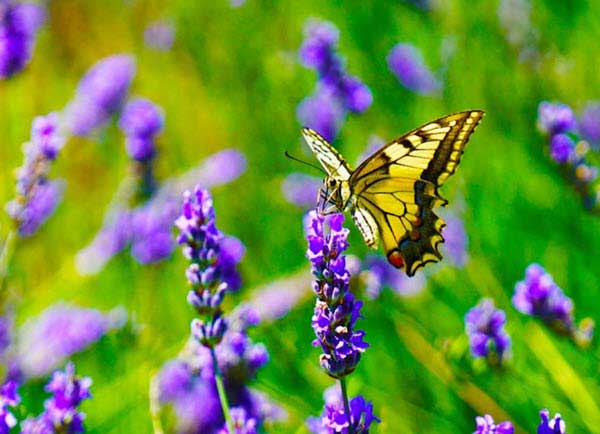
A garden that draws butterflies, bees, and other pollinators brings a quiet kind of vitality to a yard that manicured lawns alone cannot match. Homeowners who plant with pollinators in mind are often surprised, though, by how quickly a well-intentioned habitat can also become an entry point for pests they never meant to invite. The good news is that these two goals are not actually in conflict. With some planning around plant selection, moisture management, and routine upkeep, it is entirely possible to support a thriving population of beneficial insects while keeping conditions unfavorable for the pests that cause real problems around a home.
Choosing Host and Nectar Plants That Support a Full Life Cycle
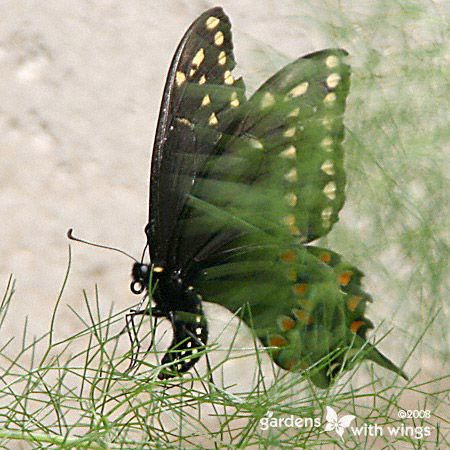
Butterflies need more than flowers to visit. They need host plants where females can lay eggs and where caterpillars can feed before pupating. Milkweed remains the best-known example because it is the only host plant for monarch caterpillars, but many regional species rely on specific native plants as well, from parsley and dill for swallowtails to violets for fritillaries. Nectar plants, meanwhile, feed adult butterflies and should be chosen for a staggered bloom period so something is always flowering from early spring through fall. Native perennials are generally the strongest choice because they have coevolved with local pollinator species and tend to require less supplemental water and fertilizer than ornamental imports, which also reduces the soft, overly lush growth that some pests prefer.
A few reliable additions for most temperate gardens include:
- Coneflower, aster, and bee balm for extended nectar availability
- Native milkweed varieties suited to the local climate
- Fennel, dill, or parsley for swallowtail host needs
- Native grasses or low groundcovers to break up dense plantings and improve airflow
Placing Plants Thoughtfully to Support Beneficial Insects
Where plants go matters almost as much as which plants are chosen. Dense, uninterrupted plantings pressed directly against a home’s foundation create shaded, humid microclimates that many pests find appealing, including ants, roaches, and certain beetles. Leaving a modest buffer, typically twelve to eighteen inches, between garden beds and the structure allows sunlight and air to reach the soil and siding, which discourages moisture buildup. Grouping host plants and nectar plants in clusters rather than scattering them thinly also helps beneficial insects find food efficiently while making it easier for homeowners to monitor for problems in one concentrated area rather than across the entire yard. This kind of intentional spacing is a detail that professionals at Rowland Pest Management often point to when advising homeowners on prevention, since the goal is not fewer plants but smarter placement.
Watering, Drainage, and Standing Water Control
Water is where many butterfly gardens quietly go wrong. Pollinators do benefit from a shallow water source, and a dish of pebbles and water can be a genuine asset for butterflies seeking minerals. Uncontrolled moisture elsewhere in the garden, however, is one of the most common conditions that draws mosquitoes, gnats, and moisture-seeking pests toward a home. Overwatering, poor drainage, and low spots where rainfall collects for more than a day or two create ideal breeding grounds, particularly for mosquitoes, which can complete their larval stage in less than a week under warm conditions. Homeowners should grade beds slightly away from the foundation, choose drought-tolerant native species that need less frequent watering, and empty any decorative water features regularly. Pest management companies have noted that standing water issues are among the most preventable triggers for seasonal pest calls, which makes drainage one of the highest-value maintenance tasks a gardener can prioritize.
Pruning, Cleanup, and Reducing Pest-Friendly Conditions
Regular pruning and seasonal cleanup do double duty in a pollinator garden. Removing dead or overgrown foliage improves airflow and sunlight penetration, both of which make the environment less hospitable to pests that thrive in damp, shaded debris. At the same time, thoughtful pruning preserves the structure butterflies need, since some species overwinter as chrysalides attached to stems or leaf litter. The goal is balanced maintenance rather than aggressive clearing. Leaving a modest layer of leaf litter in a designated corner can support overwintering pollinators without creating the kind of widespread decaying material that attracts pests closer to the home.
Maintaining the Balance Between Habitat and Home Protection
Even with careful plant selection, smart placement, and consistent moisture control, some pest pressure is simply part of owning a home with an active landscape. The distinction worth understanding is between the ordinary presence of insects, which is a healthy sign of a functioning ecosystem, and an established infestation that has moved from the garden into the structure itself. Ants nesting in a foundation, termites in old mulch, or recurring rodent activity near dense plantings are signals that go beyond what routine yard care can resolve. In those cases, seeking a professional assessment is not a failure of gardening technique but a reasonable next step, since some pest life cycles and nesting behaviors require expertise and tools beyond what a homeowner can access. A trained technician can also identify which conditions in the yard are actually contributing to the problem, allowing the pollinator habitat to stay intact while the underlying issue gets addressed.
Final Analysis
Butterfly gardens and pest-conscious landscaping are not competing priorities. They share the same foundation: healthy soil, appropriate moisture, good airflow, and plant choices suited to the local environment. When these elements are in place, a yard becomes genuinely welcoming to pollinators while staying far less attractive to the pests that cause structural or health concerns. Gardeners who approach the two goals together, rather than treating pollinator habitat and pest prevention as separate projects, tend to find that their landscapes require less reactive intervention overall and offer more consistent seasonal beauty in return.