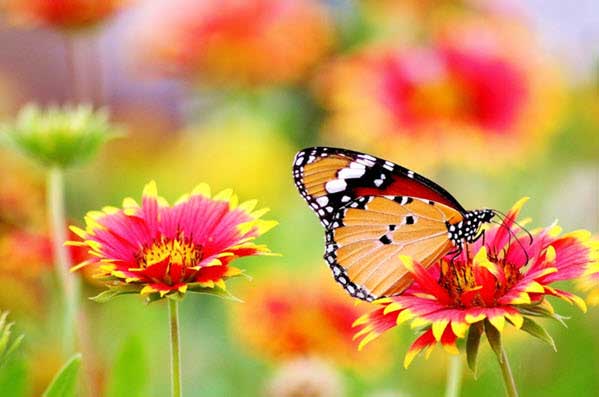
A pollinator garden is, by design, an open invitation. Every bloom sends out signals meant to draw bees, butterflies, and other beneficial visitors into the space. The problem is that those same signals reach pest species, too.
Aphids, spider mites, and caterpillars are just as drawn to nectar-rich plantings as any honeybee. Once they settle in, the instinct is to reach for a broad-spectrum spray and deal with the problem quickly. That approach, though, can wipe out the very pollinator habitat the garden was built to support. What follows is a closer look at the most common pests that target pollinator gardens, along with management strategies that protect blooms without putting pollinators at risk.
The Pests That Target Pollinator Plantings
Aphids are often the first sign of trouble in a pollinator garden. They cluster on tender new growth and flower buds, drawing sap from the stems that native plants need to produce the blooms pollinators rely on. A small colony can seem harmless at first, but populations multiply fast, and heavy infestations weaken plants to the point where flowering slows or stops altogether.
Whiteflies present a different kind of threat. They colonize the undersides of leaves, making them easy to overlook during a casual walk through the garden. Beyond the direct feeding damage, whiteflies can spread plant viruses from one host to the next, turning a localized problem into a garden-wide issue in a matter of weeks.
Spider mites tend to show up when conditions turn hot and dry. By the time the telltale stippling appears on foliage, the colony is usually well established. Their small size works in their favor, and gardeners often mistake early damage for heat stress rather than pest activity.
What connects all three of these pests is their pest lifecycle. Each one passes through distinct stages, from egg clusters to nymphs to reproducing adults, and each stage calls for a different kind of attention. Eggs glued to the underside of a leaf won’t respond to the same approach that works on a swarm of adult whiteflies. Knowing which stage is present helps a gardener choose the right response at the right time.
That knowledge starts with consistent pest scouting. Flipping leaves over, running a finger along stems, and checking the soil line around the base of plants are habits that catch problems early. A five-minute walkthrough every few days reveals far more than waiting for visible plant damage to appear.
Deciding When to Act (and When to Wait)
Spotting a handful of aphids on a single stem doesn’t call for the same response as finding colonies spread across half the garden. The difference matters, and it comes down to setting a clear threshold for action before reaching for any treatment.
A few chewed leaves or minor stippling on foliage is often cosmetic damage that the plant can outgrow on its own. Treating that kind of wear with a spray, even a targeted one, introduces risk to honeybees and other pollinators feeding nearby. The math only tips toward intervention when pest numbers are high enough to threaten plant health or reduce flowering over time.
This is where integrated pest management (IPM) becomes the guiding framework. IPM starts with monitoring, not spraying. Regular pest scouting, the kind described in the previous section, feeds directly into this process by giving gardeners real data on what’s present and how fast populations are growing.When that data does point toward treatment, timing makes all the difference. Pollinators are most active during the warmest parts of the day, so scheduling any intervention for early morning or late evening reduces the chance of direct contact with bees and butterflies working the blooms. Advanced Pest Management builds on that same logic: accurate identification first, a defined threshold second, and only then a deliberate choice of control method. Skipping straight to treatment without those steps is how gardens lose the pollinators they were planted to attract in the first place.
Pollinator-Safe Ways to Control Pests
With a clear threshold in place and regular scouting guiding the decision, the next step is choosing a control method that matches the scale of the problem. The options below follow the same escalation logic that IPM recommends, starting with the least disruptive approaches and moving toward product-based treatments only when physical methods fall short.
Physical and Cultural Controls
Row covers are one of the simplest defenses available. Draped over vulnerable seedlings or young transplants, they create a physical barrier that keeps aphids, whiteflies, and caterpillars off the plant entirely, with zero chemical exposure.
For smaller infestations, hand-picking pests and pruning away heavily damaged growth can be surprisingly effective. Removing a cluster of aphid-coated stems early prevents the colony from spreading to neighboring plants.
Companion planting adds a passive layer of protection that works around the clock. Marigolds, for example, release compounds that repel certain pest species while still attracting pollinators to the garden. Interplanting them among vulnerable crops creates a buffer without any intervention at all.
Low-Impact Organic Treatments
When physical controls aren’t keeping up, organic pest control options offer a middle step before anything stronger enters the picture.
Neem oil disrupts pest feeding and reproduction, making it effective against aphids and whiteflies at multiple life stages. The key detail is application timing. Spraying while pollinators are actively foraging puts them at risk, so early morning or late evening applications are essential.
Insecticidal soaps work on a different principle. They target soft-bodied pests on direct contact, breaking down cell membranes without leaving a lasting residue. That quick breakdown is what makes them a lower-risk option, since the product loses its potency within hours rather than lingering on treated foliage.
Regardless of which treatment a gardener reaches for, the same timing rule applies. Spraying during the cooler edges of the day, before bees begin their rounds or after they’ve returned to the hive, minimizes the overlap between treatment and pollinator activity.
Recruit Beneficial Insects as Allies
The control methods outlined above work well for active infestations, but the strongest pollinator gardens eventually grow their own defense system. Ladybugs and lacewings are among the most effective helpful predators in your garden, capable of consuming hundreds of aphids and whitefly nymphs in a single week.
These beneficial insects don’t arrive by accident, though. Predatory insects establish lasting populations when the garden provides what they need beyond prey: pollen, nectar, and sheltered overwintering spots. A diverse mix of native plants, especially those that bloom at different points through the season, keeps these allies fed even when pest numbers dip.
That diversity creates a self-reinforcing cycle. As the pollinator habitat matures, it attracts a wider range of predatory species season after season. The garden’s own pest control workforce grows alongside the plants it protects.
This is also why broad-spectrum treatments, even organic ones applied carelessly, can undo months of progress. A single poorly timed application can wipe out lacewing larvae and ladybug nymphs right alongside the pests they were already consuming. The goal, especially when protecting butterfly caterpillars and other vulnerable species, is to let the ecosystem do what it does best with as little interference as possible.
A Balanced Garden Protects Itself
A pest-free garden was never the goal, and chasing one often causes more harm than the pests themselves. Some level of pest activity is normal, even beneficial, because those populations sustain the predatory insects that keep future outbreaks in check.
The strategies covered throughout this article, from consistent scouting and smart timing to habitat diversity and restraint with treatments, don’t work in isolation. They compound over time. Each season, a gardener resists the urge to over-treat, the garden’s community of beneficial insects grows stronger and more resilient. Pollinators and their natural allies settle into a rhythm that no single product can replicate, and the garden learns to protect itself, one season of patience at a time.