A butterfly garden offers plenty to notice between the larger gardening jobs: a visitor returning to the same flower, a leaf showing signs of hungry caterpillars, or a sheltered patch that becomes busy when the sun arrives. A comfortable place to sit indoors can make these small observations part of everyday life.
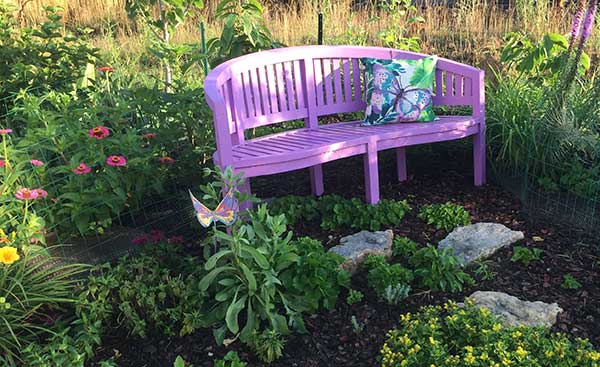
A garden-facing reading corner brings those pleasures closer without requiring a conservatory or a complete room makeover. A window, a comfortable seat and a surface for a book are enough to begin. The thoughtful details come from the garden itself, including the colours and patterns that make butterflies so absorbing to watch.
Choose the view before choosing the furniture
Spend a little time at different windows before deciding where the corner belongs. The widest view is not always the most interesting. A window overlooking a modest flower bed may offer more to observe than one facing a large, mostly empty lawn.
Look from a seated position. A windowsill, hedge or deep window frame can hide planting that appears perfectly visible when you stand. Try an existing chair in the space before ordering anything new, and check the view at the time of day you are likely to use it.
Keep access to windows and doors clear. An angled chair may let you move easily between reading and watching the garden, while a cushioned window seat can work where floor space is limited. In either case, allow somewhere to set down a drink without reaching across plants or balancing it on a sill.
Give the garden something worth watching
The planting outside matters more than any decorative detail inside. Many adult butterflies visit flowers for nectar, while caterpillars need suitable food plants of their own. A garden planned only around attractive blooms may overlook that second requirement.
Find out which butterflies occur locally, then choose plants that suit both their needs and your growing conditions. Regional butterfly organisations and native-plant resources can help connect particular species with their host plants. A planting recommendation for one part of North America should not automatically become a shopping list for a British garden.
Arrange plants with their mature heights in mind so the view remains open. Aim for a succession of flowers rather than a display that peaks for only a short period. Keep paths accessible for maintenance, and leave feeding damage on identified host plants where possible: a few nibbled leaves may be evidence that the garden is doing its job.
Bring one butterfly detail indoors
A reading corner does not need butterflies on every cushion, curtain and picture frame. One carefully chosen object can establish the connection while leaving the garden as the main attraction.

For example, butterfly Tiffany lamps can introduce wing shapes and coloured glass beside a window seat or on a reading table. Choose a size that leaves useful space around the base. The lamp should support the way the corner works, rather than occupy the entire surface.
Take a colour from the shade and repeat it quietly elsewhere. A muted green cushion might echo the leaves outside; an amber detail can sit naturally with an oak table. Plain linen and uncomplicated furniture give intricate glasswork room to stand out without turning the corner into a display cabinet.
Make it comfortable for reading and recording
Comfort is what turns a pleasant-looking arrangement into a place you use. Check that the seat supports your back and that a nearby table is easy to reach. A window bench may need firmer cushions than its appearance suggests, especially if you plan to sit there for more than a few minutes.
Keep a local butterfly guide, notebook and pencil nearby. Record the date, weather, flowers visited and any markings you can distinguish. If an identification is uncertain, note what you actually saw instead of forcing a species name. Over time, these observations can help you decide which parts of the garden deserve more attention.
A small drawer or basket will keep these materials together. Avoid crowding the windowsill with tall ornaments or houseplants that block the very view the corner was created to enjoy.
Check the lamp in daylight and after sunset
Coloured glass changes character when illuminated. When comparing butterfly stained glass lamps, consider the unlit appearance as well as the evening glow. A shade that feels restrained by daylight may become the strongest colour in the corner once switched on.
Test the light from your usual reading position. Decorative glass does not guarantee comfortable illumination on a page, so check brightness, shadows and whether the bulb is visible beneath the shade. Use a compatible bulb within the manufacturer’s limits, and provide separate reading light if needed.
Keep indoor lamps indoors, away from rain entering an open window and clear of moving curtains. Route the cable behind furniture without trapping it. After dark, close the blind or curtain when appropriate and switch the lamp off when the corner is no longer in use.
Let the corner develop with the seasons
The most personal details will come from spending time there. A sketch of a flower, a photograph taken in the garden or a notebook full of sightings can gradually replace decorations chosen simply to fill a space.
Use quieter months to look back through those notes and plan changes outside. Perhaps one flowering period needs more variety, or a vigorous shrub now obscures the view. A useful reading corner gives you somewhere to notice these things, with a book close at hand and the garden always in sight.