Your tomatoes are crispier than your bacon, and that new adobe patio furniture is already fading after one June. If you garden in the Southwest, you already know the enemy: it’s not the heat, it’s the direct sun beating down for ten hours straight. The fix isn’t more water. It’s shade. And not just any shade, but the right kind of structure for the specific corner of your yard that’s getting torched. Here’s what I’ve learned from watching desert gardens thrive and wilt, and how you can pick a shade solution that actually holds up.
What Direct Sun Really Does to Your Garden and Your Patio
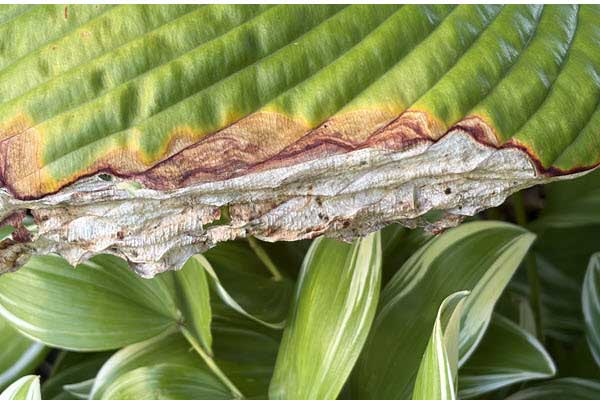
Let’s talk about what’s happening on a molecular level before we get to fabric swatches. When leaf temperatures climb past roughly 95 degrees, photosynthesis starts to stall. The plant closes its stomata to save water, which means it stops taking in carbon dioxide. Growth slows, fruit set drops, and leaves that look scorched in the afternoon are usually suffering from a combination of heat stress and UV damage.
Your hardscape suffers too. A dark concrete patio can hit surface temperatures above 150 degrees on a clear summer afternoon. That heat radiates back up into your plants and makes the air around your seating area miserable. The U.S. Department of Energy points out that shade from trees and structures can cool the air around your home by as much as 6 degrees Fahrenheit, which is a real difference when you’re trying to enjoy a meal outside at 6 p.m. .
So the problem isn’t just aesthetics. It’s a biological and structural issue that compounds every single day of the growing season.
The Four Shade Structure Options That Survive Desert Heat
You’ve got four solid directions to go, and each one handles sun, wind, and monsoon rain differently. I’ve tested all of them in one form or another, so here’s the unvarnished rundown.
Shade Sails: The Look Everyone Wants
Shade sails are the Instagram darling of desert patios. They’re sleek, they cast a clean geometric shadow, and they look expensive. But here’s the catch: a poorly tensioned sail will sag after one windy season, and the mounting points need serious structural support. You can’t just screw a turnbuckle into a flimsy wooden post and call it done.
Go with a high-density polyethylene fabric that blocks at least 90 percent of UV rays. The Environmental Protection Agency notes that shade structures can reduce the surface temperature of playground equipment by up to 36 degrees, and the same physics applies to your patio furniture. Pick a light color to reflect heat instead of absorbing it, and plan for a minimum 15-degree slope so rain doesn’t pool and stretch the fabric.
Pergolas: Shade With a Ceiling
A pergola gives you partial shade and a strong frame for climbing vines like trumpet vine or desert willow. The problem is that a traditional open-top pergola only blocks about 30 percent of the sun at high noon. If you want real protection, you need to add a solid roof panel or a rollable shade fabric on top. Otherwise, you’re just building an expensive plant trellis. And if you’re growing vines on it, skip anything invasive and stick with native species that won’t take over your whole yard.
Ramadas: The Traditional Desert Answer
Ramadas are the OG desert shade structure. Indigenous peoples in the Southwest used them for centuries, and the modern versions trade traditional materials for treated lumber and corrugated metal or shade cloth. They’re built low and solid, with posts sunk deep into the ground. The low profile matters because it blocks the low-angle afternoon sun that sails right under a taller structure. A ramada is your best bet if you want year-round protection for a seating area that faces west.
Re-Tensionable Umbrellas: The Flexible Option
For a smaller garden bed or a single seating cluster, a cantilever umbrella with a tilting mechanism gives you control. You can chase the shade across the day without moving furniture. The downside is durability. Cheap umbrellas won’t last one monsoon season. Look for one with a fiberglass rib system and a fabric rated for 200 hours of direct UV exposure per year.
The U.S. Bureau of Land Management documents that Southwest deserts receive more than 3,000 hours of sunshine annually in some areas, so do the math on what your umbrella is rated for.
That sunshine figure explains why even a “good” umbrella fabric degrades after two seasons in Arizona or inland California. Plan to replace fabric panels every few years. It’s the cost of doing business in the sun.
The 90-Degree Rule: A Simple Framework for Placement
Before you buy anything, do the sun test on the exact spot you want to shade. Go outside at 9 a.m., noon, and 4 p.m. on a clear day. For each visit, note where the shadow falls and how much direct light hits your target area.
Here’s the framework I use. Call it the 90-Degree Rule. If your space gets direct sun for more than 90 minutes between 10 a.m. and 4 p.m., you need permanent shade, not a temporary canopy. If direct sun hits a plant bed for more than 50 percent of the afternoon, that bed needs filtered shade cloth rather than a solid roof. And if your only problem is a seating area between 3 p.m. and sunset, a tilting umbrella or a ramada with a west-facing panel will fix it.
Concrete scenario: I watched a friend in Las Vegas hang a shade sail over her raised vegetable beds. She positioned it to block the noon sun but ignored the 4 p.m. angle. By late August, her peppers on the west side were still getting scorched because the sail’s shadow had moved off the bed by 3:30. She had to move the entire mount point three feet to the east. Moral of the story: you’re shading the late afternoon sun, not the noon sun. Desert gardens cook in the afternoon, not at peak solar noon.
Material Science Matters More Than You Think
Fabric quality separates a five-year structure from a one-season disappointment. Shade fabric is rated by its knit density, and the percentage you see on the label refers to how much light it blocks, not how hot it gets underneath. A 70 percent fabric blocks 70 percent of light. For desert gardens, you want 80 to 90 percent block for seating areas and 40 to 60 percent for plant beds that still need decent light for photosynthesis.
Here’s what nobody tells you: darker fabrics block more light but absorb more heat, so the air directly under a black shade sail will feel warmer than under a white one. Go light-colored. Your plants will thank you, and so will your skin.
A Decision Checklist for Your Own Yard
Use this as your shortcut. Answer these five questions in order.
- What’s the problem: fading furniture, wilting plants, or a patio too hot to sit on? That decides whether you need a solid roof, a perforated canopy, or a movable umbrella.
- Which direction does the space face? West-facing spaces need the most aggressive shading because afternoon sun is lower and more intense.
- Can you sink posts, or are you renting? Rented spaces force you into stand-alone umbrellas or lightweight tensile structures that don’t require permanent footings.
- What’s your wind exposure? Spring winds in the desert routinely gust past 30 mph, and a broad sail catches wind like a spinnaker. Frame-mounted sails need beefy anchors.
- What lives under the structure? Succulents need more light than leafy greens, so match your block percentage to the plants you actually grow.
If you answer those honestly, you’ll avoid the most common mistake I see, which is buying a shade structure that’s perfectly pretty and functionally useless for the actual conditions of the site.
When the Structure Isn’t the Real Fix
Sometimes the shade problem is really a heat problem coming from the house itself. If your patio is up against a west-facing stucco wall, that wall radiates heat all evening long. A shade structure will help, but you’ll still feel the bake coming off the wall surface. You can plant a row of fast-growing native shrubs like desert marigold or brittlebush to break the radiant heat path, or you can install an exterior shade screen directly on the wall.
One overlooked angle is pairing your yard redesign with better indoor cooling. If your interior AC is struggling to keep up because the sun hammers your west-facing windows, shades and landscaping help, but a system check matters too. When it’s 110 outside, you want your equipment running right, which is why some homeowners look up victorville ac repair before summer peaks rather than after the first breakdown.
My stance: handle the wall radiation and the window exposure before you spend big money on a fancy pergola. The structure shades the patio, but the windows and walls are what heat the whole back half of your house.
Set It Up Right the First Time
The rhythm of desert gardening rewards people who plan for August in March. You don’t need to engineer a perfect microclimate overnight. Start with the one spot that matters most, the seating area or the vegetable bed that gets the worst afternoon blast, and install the right structure for that specific problem. Measure twice, buy once, and let the fabric do the heavy lifting.
What’s the hottest, most useless corner of your yard right now, and which of these structures would actually fix it?