Not every yard begins with a flat lawn and plenty of open space. Many properties have narrow side passages, steep slopes, shaded corners, awkward changes in grade, oddly shaped boundaries, or small areas that seem too limited to serve a clear purpose.
These spaces often end up ignored because homeowners are unsure what to do with them. A narrow strip becomes an unused patch of grass, a slope becomes difficult to maintain, and a shaded corner collects tools or garden clutter.
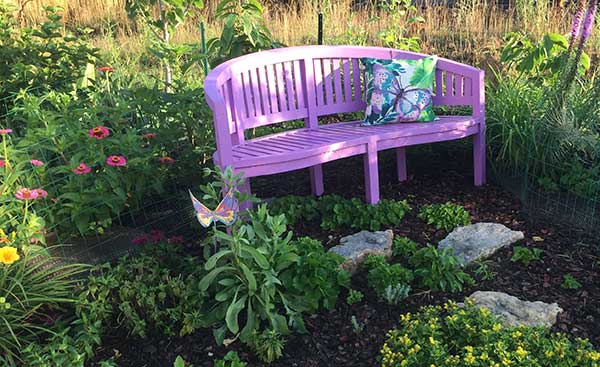
Good landscape design can turn these problem areas into parts of the property that serve a practical purpose. The solution usually begins by understanding why the space feels awkward in the first place.
Start by Identifying What Makes the Space Difficult
Before choosing plants or hardscape materials, look closely at the conditions affecting the area.
Is the ground too steep for comfortable walking? Does water collect after rain? Is the space shaded for most of the day? Is it narrow because it sits between the house and property line?
Different problems require different responses.
Trying to force a standard patio, lawn, or garden into a difficult area can make the limitations more obvious. A better design works with the shape and conditions already present.
Turn Narrow Side Yards Into Useful Connections
Side yards are often treated as passageways rather than destinations. They may contain utility equipment, bins, gates, downspouts, or little more than a worn path between the front and back of the property.
That does not mean they need to feel forgotten.
Build a Clear Walking Route
A defined walkway can make a narrow side yard easier to use and maintain.
Instead of walking over muddy grass or uneven ground, homeowners can create a consistent path connecting gates, driveways, backyard areas, sheds, or entrances.
The surrounding area can then be simplified with planting, stone, mulch, or another surface suited to the site.
Use Vertical Space Carefully
When floor space is limited, fences, trellises, and narrow planting arrangements can add interest without blocking movement.
The goal is to keep the passage comfortable rather than filling every available section.
Use Slopes Instead of Fighting Them
Sloped yards create some of the most common landscaping challenges.
Mowing can be difficult, seating may feel unstable, and water can move quickly across the ground. Simply flattening the entire property may not be practical or desirable.
Terracing, retaining features, steps, planting zones, and carefully planned paths can sometimes make slopes easier to use.
Homeowners considering landscaping services can benefit from having the entire grade evaluated before deciding where walls, walkways, patios, or planting areas belong.
A slope often works better when it is divided into purposeful levels rather than treated as one inconvenient surface.
Give Odd Corners a Specific Job
Triangular spaces, leftover corners beside structures, and small pockets along property boundaries can feel difficult because ordinary furniture or lawn layouts do not fit them well.
Instead of asking how to make the area look larger, decide what small function it can serve.
A corner might become:
- A compact reading area
- A garden focused on one type of plant
- A location for a small tree
- A storage zone screened from view
- A simple bench area
- A transition between two larger spaces
Giving the area one clear purpose is often more successful than trying to fit several features into it.
Make Shaded Areas Work With Their Conditions
A dark corner of the yard may struggle to support the same plants or lawn used in sunnier areas.
Repeatedly replacing plants without changing the design can become frustrating.
Instead, treat shade as a site condition rather than a defect.
Choose planting that suits the available light, or consider whether the space would work better as a pathway, seating area, woodland-style garden, or another feature that does not depend on full sun.
Observe the Shade Before Redesigning
Sun exposure changes throughout the day and across the seasons.
Spend some time observing the area before making permanent decisions. A location that seems fully shaded in the morning may receive stronger afternoon light, while large trees or nearby structures may affect conditions differently during other parts of the year.
Address Wet Areas Before Decorating Them
A low section that regularly holds water should not be hidden beneath new plants or decorative materials without understanding why it stays wet.

Look at nearby downspouts, slopes, paved surfaces, and drainage routes.
Water may be arriving from another part of the property rather than originating in the problem area itself.
Once the drainage pattern is understood, the design can respond appropriately.
A wet corner may need grading changes, drainage improvements, or planting chosen for the conditions rather than another layer of cosmetic work.
Turn Underused Lawn Into Defined Zones
Large lawns are easy to understand visually, but some portions may rarely be used.
An awkward patch behind a garage, along a fence, or beneath trees may create mowing work without contributing much to outdoor life.
Those areas can sometimes become more useful as planting beds, paths, seating zones, or other defined spaces.
Reducing unused lawn can also help create clearer relationships between different parts of the yard.
Use Retaining Features to Create Usable Levels
Where grade changes are significant, retaining walls can do more than hold soil.
They may help define planting areas, support a patio level, create more comfortable transitions, or separate different functions within the yard.
Their placement should be considered alongside drainage and circulation.
A wall positioned only for appearance may create a barrier where people naturally want to walk. One designed as part of the whole property can help organize the yard.
Make Small Yards Feel Deliberate Rather Than Crowded
Limited square footage does not mean a yard cannot offer several functions.
The challenge is avoiding too many competing features.
A small property may work better with one well-sized patio, a clear path, and a few carefully placed planting areas than with several undersized zones squeezed together.
Keep Sightlines Open
Allowing the eye to travel across the yard can make a small space feel less confined.
Tall screens, dense planting, and bulky structures should be positioned carefully so they provide privacy without making every section feel enclosed.
Repeating a few materials or plant forms can also help the property feel connected.
Build Around Existing Features Worth Keeping
An awkward yard does not always need to be cleared and rebuilt.
Mature trees, established planting, existing stonework, or useful structures may provide a starting point for the new design.
A large tree can become the focal point of a seating area. An existing path may be adjusted rather than removed. A slope may become part of a layered garden instead of being completely regraded.
Keeping suitable features can give the finished yard more character while reducing unnecessary changes.
Think About Maintenance Before Filling Difficult Areas
A space that is hard to reach now may remain hard to reach after landscaping.
Before planting heavily behind a retaining wall or creating a narrow garden beside a fence, consider how someone will prune, weed, clean, or repair the area later.
Maintenance access should be part of the design.
The most attractive solution on installation day can become frustrating if routine care requires climbing over plants or moving furniture every week.
Let Difficult Spaces Suggest Their Own Purpose
Awkward outdoor areas are rarely useless. They usually need a purpose that matches their shape, light, grade, drainage, and access.
A narrow passage can become a comfortable walkway. A slope can be divided into useful levels. A shaded corner can support a different style of garden, while an odd leftover space can become a small seating or storage area.
Rather than forcing every part of the property to behave like a flat open lawn, good landscape planning works with what is already there. That approach can turn overlooked corners and difficult transitions into spaces that contribute to how the whole yard looks and functions.