Knowing how to identify flowering plants turns a colorful yard into a garden you can understand and improve. A name reveals bloom time, growing conditions, and whether a species provides nectar or serves as a caterpillar host.
Start with flower structure, leaf arrangement, stem shape, and the plant’s growth habit, then compare several traits instead of relying on color alone. If you are still not sure what flower this is, a clear photo can provide a quick preliminary identification and care guidance through Botan. This combined approach is a practical answer to how to identify flowers without turning every garden walk into a formal botany lesson.
1. Visual and Tactile Analysis
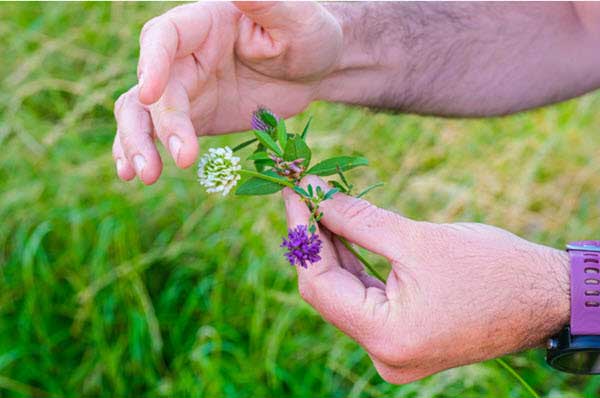
Close observation remains the foundation of flower identification because unrelated species may share the same color. Examine a typical bloom and an undamaged leaf while the plant is growing in its original location. Note the date and habitat, since season and growing conditions can narrow the possibilities.
- Look at the whole plant first. Record whether it is upright, trailing, clump-forming, woody, or vine-like, and estimate its height and spread.
- Study the bloom. Check its symmetry, count petals and sepals, and note whether petals are separate, fused, tubular, pea-like, or arranged in a composite head.
- Follow the leaves down the stem. Leaves may be opposite, alternate, whorled, or basal; their margins can be smooth, toothed, or lobed.
- Check stems and surfaces gently. A square stem, milky sap, hairs, waxy coating, or a distinctive scent may be useful, but avoid tasting unknown plants and wear gloves around irritating sap.
- Photograph the entire plant and close-ups of the flower, leaf surfaces, stem, and any fruit or seedpod.
This sequence creates a repeatable garden flower identification record rather than a guess based on one striking feature. It also makes later comparison faster, especially when several similar plants bloom in the same bed.
2. Plant Identification Apps
An identification app is often the fastest option during a walk through a garden center, public garden, or campsite. Botan, for example, analyzes a plant photo using botanical data systems and AI.
When several matches have similar confidence, it may present multiple pictured options for comparison. A likely name and care information can therefore be available while the plant is still in view.
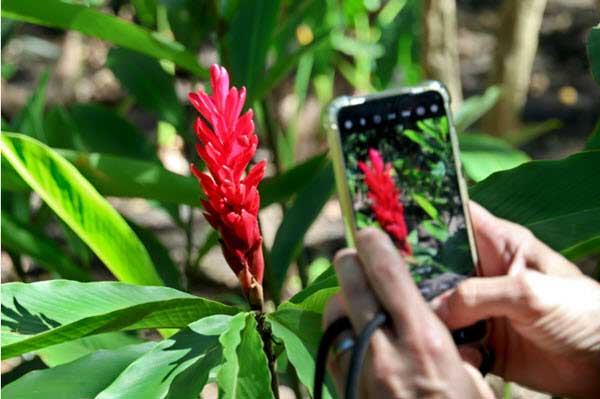
Image-based results are strongest when the photograph is sharp, well lit, and centered on a representative flower or leaf. Include several views, avoid cultivated double blooms as the only evidence, and enter location or growing conditions when the tool allows it.
This is particularly useful for someone searching for how to find out what kind of flower I have, but the proposed match should still be verified against leaf arrangement, plant size, and geographic range.
Apps can also connect an unfamiliar name with practical care needs. A large, strap-leaved plant with an umbel of lily-like blooms, for instance, may be identified as a Crinum Lily; a detailed profile can help distinguish it from similar bulbs.
3. Printed Reference Guides
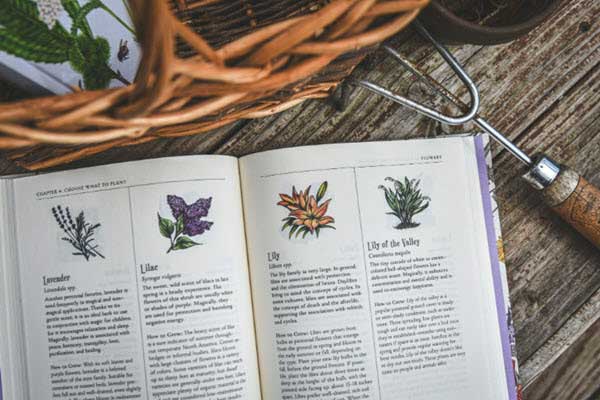
A regional field guide is slower than an app, but it teaches how to identify plants through stable diagnostic traits. Choose a current guide for the correct region, and use its keys, illustrations, range maps, and flowering calendars. Family-based guides help once you recognize composite heads, square stems, or pea-like blossoms.
Herbaria and digital databases extend this method. A pressed specimen preserves structural features, while online records allow comparison with verified material. The New York Botanical Garden’s research guides provide access to botanical databases and digitized herbarium resources when a local handbook does not settle an identification.
Keep your own notebook or photo archive beside these references. Record the tentative scientific name, date, location, leaf pattern, bloom structure, and the source used for confirmation. Over time, those entries become a personal flower identification guide adapted to the plants that actually appear in your yard.
Flower Identification Chart: Checklists for Butterfly Habitats
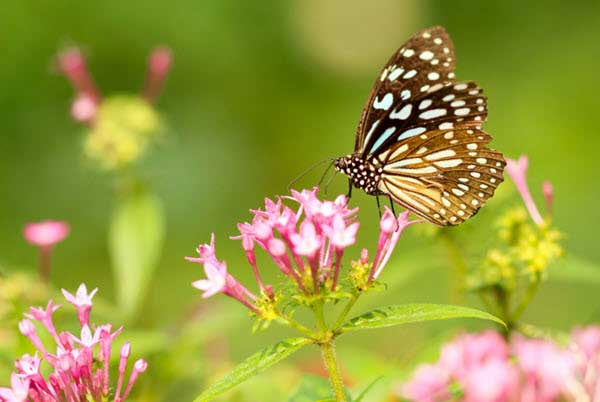
Butterflies do not visit every flower equally, and adult nectar plants are not always suitable food for their caterpillars. Plant families offer useful clues because related species often share recognizable structures, while individual butterflies may depend on particular hosts.
Identification helps gardeners plan both feeding sites and places where butterflies can reproduce.
| Family | Symmetry & Structure | Petal Traits | Leaf Arrangement | Primary Butterfly Visitors |
| Asteraceae (Daisies) | Radial composite heads | Numerous flat rays | Alternate or basal rosette | Monarchs, Painted Ladies |
| Lamiaceae (Mints) | Bilateral, two-lipped tubes | Fused into cups or tubes | Opposite leaves on four-sided stems | Tiger Swallowtails; nectar source |
| Fabaceae (Legumes) | Bilateral, pea-like form | Banner, wings, and keel | Usually alternate; often pinnately compound | Sulphurs, Blues; host and nectar plants |
| Brassicaceae (Mustards) | Radial, cross-shaped form | Exactly four petals | Usually alternate, simple leaves | Cabbage Whites; egg-laying hosts |
Use this chart as a starting checklist, not as proof of species. Confirm the finer details and select locally appropriate plants; University of Minnesota Extension, for example, notes that violets can host some fritillary larvae and provide forage for pollinators.
Build a Season-Long Habitat
After identifying existing plants, mark their flowering periods and observe which insects use them. Aim for overlapping bloom from spring through fall, group plants of the same species, and include sheltered sunny areas and shallow water. Avoid broad insecticide use on open flowers.
A useful reference combines family traits with local range and bloom time, but a garden checklist should also distinguish nectar plants from larval hosts. That distinction prevents a bed full of attractive flowers from becoming an incomplete butterfly habitat.
Conclusion
Reliable identification combines close observation, a photo tool for speed, and confirmation with a regional guide or botanical database. A simple chart can then translate names into design choices, including bloom succession, host-plant coverage, and suitable care.
Once each plant has a confirmed identity, garden planning becomes more deliberate. You can retain useful volunteers and add missing nectar or host plants that make the yard welcoming to butterflies.