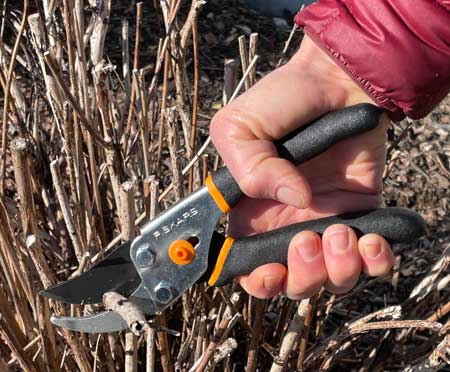
There’s a particular kind of satisfaction that comes with the last real gardening weekend of the year. The tomatoes are spent, the monarchs have mostly moved on, and the air finally has that edge to it that makes you want to be outside working instead of just sweating through another August afternoon. Fall prep is a ritual for a lot of us — not a chore so much as a way of saying goodbye to one season and setting the next one up to succeed. And if you’ve been gardening for a while, you already know the instinct doesn’t stop at the property line. The same mindset that has you mulching beds and cleaning tools eventually turns toward the house itself: the gutters, the hose bibs, the furnace that’s been sitting untouched since March.
That second half of the checklist is easy to skip, mostly because it’s less fun than the first half. But it follows the same logic. Just like you wouldn’t wait until the first hard freeze to cut back your dahlias, you don’t want to wait until the first cold snap to find out your furnace has a problem. A pre-season check is the home-systems equivalent of dividing perennials in October instead of April — you’re doing the work while there’s still slack in the schedule, before everyone else has the same idea. We’ll get to why that timing matters in a minute. First, the garden.
Part One: The Garden Goes Quiet, Not Empty
The biggest mistake I see in fall garden prep is treating it like a demolition project. Cut everything down, bag it up, leave the beds bare until spring. It’s tidy, but it’s also a missed opportunity — especially if you’ve spent any part of the season trying to attract butterflies and other pollinators.
Leave the seed heads and hollow stems. Coneflower, black-eyed Susan, and joe-pye weed all produce seed heads that feed birds through winter, and hollow or pithy stems from things like bee balm and ironweed double as overwintering habitat for native bees. If your garden has hosted any butterfly activity this year, resist the urge to cut everything to the ground. A little visual messiness in November is doing real ecological work.
Do cut back what’s diseased or prone to reseeding aggressively. Powdery-mildew-covered phlox, anything with fungal spots, and self-seeders you’re trying to keep in check are fair game for the compost pile (or the trash, if disease is present — compost won’t necessarily kill the spores).
Mulch after the ground cools, not before. A 2–3 inch layer of shredded leaves or bark mulch insulates root systems and moderates the freeze-thaw cycles that heave perennials out of the soil. Applying it too early, while the ground is still warm, can actually trap heat and invite pests.
Plant spring bulbs now. Tulips, daffodils, and crocus all need a cold period to bloom properly, which means fall planting is non-negotiable. Get them in the ground roughly six weeks before your first hard frost.
Water woody plants through late fall. Trees and shrubs, especially anything planted this year, go into winter better hydrated. Deep-water until the ground actually freezes.
Part Two: The House Has a Checklist Too
Once the beds are mulched and the bulbs are in, the same instinct that got you through the garden list should carry you through the house list. These are the fall tasks that are easy to forget precisely because they’re indoors, out of sight, and don’t have a visible growing season pushing you to act.
Clean the gutters. Once the bulk of leaf drop is done, clear gutters and downspouts so melting snow and fall rain actually drain instead of backing up against your roofline or foundation.
Disconnect and drain hoses, and shut off exterior hose bibs. Water left in an outdoor spigot can freeze, expand, and crack the pipe — a cheap thing to prevent and an annoying thing to fix in January.
Check weatherstripping around doors and windows. Run a hand along the seams on a windy day. If you feel a draft, a few dollars of foam or vinyl weatherstripping pays for itself fast in heating costs.
Schedule a furnace tune-up before you actually need heat. This is the one part of the list that genuinely benefits from being early rather than last-minute, for a few concrete reasons. First, availability: HVAC companies get slammed the moment temperatures drop, so a September appointment is easier to get than an October or November one. Second, safety: a technician inspecting the system before its first real run of the season can catch a cracked heat exchanger or another issue that could otherwise lead to carbon monoxide entering your home once the furnace is running for hours at a stretch. Third, it’s simply the right cadence — furnaces, like garden beds, perform better with a little seasonal attention rather than none at all.
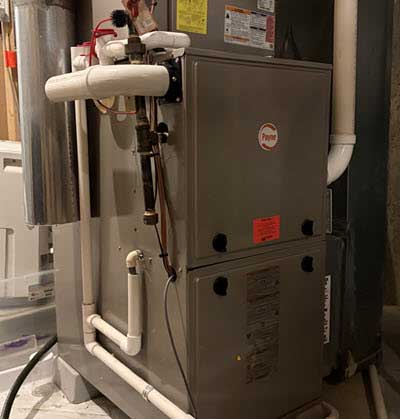
A tune-up is also where you’ll often get the news nobody wants: that the furnace is old enough, or worn enough, that patching it through another winter isn’t a great bet. If that’s the verdict, fall is genuinely the better season to act on it, for the same reason it’s the better season to plant bulbs — you’re working ahead of the deadline instead of racing it. Replacing a furnace in September or October means you can compare quotes, pick equipment on your own timeline, and get it installed before you actually need it running around the clock. Replacing it in January, mid-cold-snap, with the house at 55 degrees and a waitlist for installers, is a much worse version of the same job. If your system is getting up there in age, it’s worth having a company like Efficiency Heating and Cooling in Portland take a look now rather than waiting for a breakdown to force the decision.
Replace the furnace filter, and mark your calendar for the next one. Most standard filters need changing every 60–90 days during heating season. A dirty filter makes the system work harder and can shorten its lifespan — set a recurring reminder now so you’re not guessing in January.
Test smoke and carbon monoxide detectors. While you’re thinking about the furnace, this takes thirty seconds and matters more than almost anything else on this list.
One Checklist, One Property
Print this out, tape it to the inside of your garden shed or the fridge, and work through it over a couple of weekends rather than trying to do it all in one exhausting Saturday. The garden tasks and the home tasks aren’t really separate projects — they’re the same seasonal instinct applied to different parts of the same property. You already know how to do fall prep. This is just the reminder that it doesn’t stop at the back door. For more on seasonal home efficiency, ENERGY STAR’s guidance on efficient furnaces is a solid reference to bookmark alongside your garden notes.