Most people planning a butterfly garden start in the backyard.
It makes sense. That’s usually where the lawn is, where the family spends time outside, and where there’s room for flower beds. You might plant milkweed for monarchs, add coneflowers for nectar, and spend the summer watching butterflies visit.
Meanwhile, the front of the property gets a completely different treatment.
There’s a driveway, a gate, a walkway, and perhaps a few neatly trimmed shrubs. Everything looks tidy, but there’s little for visiting butterflies to explore.
That’s a missed opportunity.
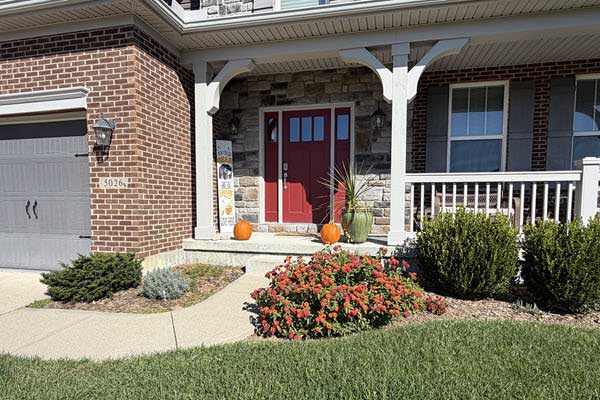
The space near your front entrance can become part of a butterfly-friendly landscape, even if you only have a narrow strip of soil beside the driveway.
You just need to think a little differently about what belongs there.
Start by Looking at the Space You Already Have
Before buying plants, walk outside and look at your entrance from the street.
You may notice more available planting space than you expected.
Perhaps there’s a strip of grass between the driveway and fence. Maybe a flower bed runs along the walkway. Some properties have an open area near the gate that gets plenty of afternoon sun.
These small spaces can be useful.
Butterfly gardening doesn’t require a large meadow. A compact planting area can offer nectar and, with the right host plants, support caterpillars as well.
The important thing is choosing plants suited to your local climate, sunlight, and available space.
A flower that grows beautifully in one region may struggle somewhere else. Before planting, check which butterfly species occur locally and which plants support them.
Don’t Plant Only for the Adult Butterflies
It’s easy to choose flowers based on how attractive they look.
Purple coneflowers, colorful zinnias, and other nectar-producing plants can make a garden lively. Butterflies may visit them to feed, giving homeowners plenty of opportunities to observe and photograph these insects.
But attracting adult butterflies is only one part of creating a useful habitat.
Butterflies also need suitable host plants where females can lay eggs and caterpillars can feed.
Those host plants vary by species.
Monarch caterpillars, for example, depend on milkweed. Other butterflies rely on entirely different plants, sometimes ones that gardeners might otherwise overlook.
A small entrance garden can include both nectar-producing flowers and appropriate host plants.
You don’t have to fit everything into one bed. Even adding one suitable host species can make the planting more useful.
Keep Plants Clear of the Driveway
There’s one detail that makes entrance gardening different from backyard gardening.
Vehicles need to move safely.
A flower bed beside a driveway may look lovely in spring, but mature plants can become a problem if they grow across the pavement or block the driver’s view.
Tall flowers near a gate can also interfere with moving components.
That’s why it’s worth checking the mature height and spread of each plant before deciding where it belongs.
Lower-growing plants may be suitable near walking paths, while taller flowers can work farther from vehicle routes and sightlines.
Keep the gate’s full movement area clear, including any space needed for hinges, tracks, motors, and maintenance access.
If you’re planning a new entrance, companies such as DC Controls design and install driveway gates and access-control systems. Coordinating the gate layout with the landscaping plan can help ensure the finished entrance remains practical.
The goal is to create a welcoming butterfly garden, not a place where flowers get crushed by vehicles.
Think About Where Butterflies Will Actually Land
A beautiful flower arrangement isn’t necessarily the easiest one for butterflies to use.
Try grouping several plants of the same species together rather than placing individual flowers throughout the yard.
Clusters can make nectar sources easier for visiting butterflies to locate.
It also helps to provide flowers that bloom at different times of the growing season.
If every plant flowers in June, your garden may be colorful for a few weeks and offer very little later in summer.
Mixing suitable early-, middle-, and late-season bloomers can help extend the period when nectar is available.
A local native plant nursery can help identify plants that flower at different times in your area.
Leave a Little Shelter Near the Flowers
Butterflies need more than food.
Wind, heavy rain, and extreme temperatures influence where they spend their time.
A driveway entrance can be particularly exposed, especially on properties with wide paved areas and few trees.
A thoughtfully placed shrub or small tree may provide shelter from wind, while nearby planting can create a more protected environment.
However, don’t create dense barriers that interfere with vehicles or block important views.
The best approach is to give butterflies places to rest while keeping the entrance open and accessible.
Where possible, preserve existing native vegetation instead of removing it simply to create a neater appearance.
Be Careful With Decorative Lighting
Outdoor lighting can make a front entrance look attractive at night.
Small fixtures along the path, lights near the gate, and illuminated garden features can also help people move around safely.
But nighttime lighting deserves some thought in a wildlife-friendly garden.
Artificial light can affect various insects and other wildlife, especially when it is unnecessarily bright or remains on throughout the night.
Use lighting where it’s needed for access and safety.
Choose shielded fixtures that direct light toward paths rather than across flower beds. Timers or motion controls may help reduce unnecessary illumination.
You don’t need to leave the entire garden brightly lit to create a welcoming entrance.
Avoid Spraying the Plants You Want Butterflies to Visit
One of the biggest mistakes in butterfly gardening is using broad insecticides to keep every leaf looking perfect.
A caterpillar feeding on a host plant isn’t necessarily a pest. It may be exactly the visitor you hoped to attract.
Butterfly-friendly gardens often have leaves with holes, stems that look less than perfect, and plants that change appearance as caterpillars develop.
That’s part of the process.
Avoid unnecessary pesticide use, especially on plants intended to support butterflies and other beneficial insects.
If a plant develops a serious problem, identify the cause before choosing a treatment.
Healthy soil, suitable plant selection, and regular observation can reduce the need for intervention.
A wildlife garden doesn’t need to look neglected, but it shouldn’t be managed as though every insect is unwelcome.
Don’t Forget the Other Side of the Gate
Sometimes the best place for flowers isn’t directly beside the driveway.
It might be along the fence line, outside a pedestrian gate, or in an area where people rarely walk.
Think about the entrance as a collection of smaller planting opportunities.
One bed might contain nectar flowers. Another could support caterpillar host plants. A nearby shrub might offer shelter.
These areas don’t have to connect visually with one uninterrupted flower border.
Together, they can contribute to a more welcoming landscape for butterflies.
Just make sure the planting doesn’t obstruct sidewalks, neighboring property, public rights-of-way, or visibility for drivers.
Give Your Entrance a Seasonal Plan
Front gardens often receive attention once or twice a year.
People plant spring flowers, trim the shrubs, and then leave everything much the same until autumn.
A butterfly-friendly entrance benefits from a different approach.
Think about what will be flowering each month during the local butterfly season.
Consider leaving some natural plant material in appropriate areas through winter, since certain insects may shelter in stems, leaves, or other garden debris.
Avoid cutting everything back automatically at the first sign of cold weather.
You can maintain a tidy appearance around walkways and driveway edges while allowing selected planting areas to support wildlife.
That balance is often easier than trying to keep every part of the garden perfectly manicured.
Plan the Entrance as One Complete Space
A new driveway gate, walkway, fence, or garden bed can affect the rest of the entrance.
For example, installing a larger paved area may reduce planting space or change how rainwater moves through the property. New lighting can affect nearby vegetation, while moving a gate may require replacing or relocating some plants.
Before making major changes, look at the entrance as a whole.
Consider vehicle access, pedestrian movement, drainage, plant growth, lighting, and wildlife habitat together.
If you’re considering several improvements, researching outdoor renovation planning can help you organize the project before deciding what needs to change first.
It may also be worth marking the proposed planting areas on the ground so you can see how much space will remain around the driveway.
Small adjustments on paper are much easier than relocating established plants later.
Let Your Front Garden Become Part of the Habitat
A butterfly garden doesn’t have to be hidden behind the house.
The front entrance can be just as interesting when it’s planted thoughtfully.
A few native flowers near the walkway, appropriate host plants beside the fence, and a little shelter from the wind can make an ordinary entrance more inviting to butterflies.
You may begin noticing species that previously passed through without stopping.
You might even discover caterpillars feeding on plants you selected specifically for them.
And the next time you arrive home, the first thing you notice might not be the driveway, the fence, or the gate.
It might be a butterfly resting on a flower beside the path.
That’s a small moment, but it’s exactly what makes wildlife-friendly gardening worthwhile.