A beautiful yard is rarely the result of luck. It comes from thoughtful choices that continue to reward you through every season. Instead of chasing every gardening trend, it often makes more sense to focus on plants, layouts, and features that become more impressive as they mature. A landscape built around long-term value requires less work over time, creates stronger curb appeal, and gives you a space that feels welcoming every time you step outside.
Choose Long-Lasting Plants That Improve With Age
One of the smartest investments you can make is planting rose bushes in areas where they receive plenty of sunlight and good air circulation. Modern varieties are more resilient than many gardeners expect, offering repeat blooms and improved disease resistance while delivering color for months at a time. When planted correctly, they become a reliable focal point that grows fuller and more impressive with each passing season.
Balance flowering shrubs with evergreen plants and ornamental grasses so the landscape never feels empty after blooming periods end. Layering different heights also creates a more natural appearance than lining everything up in straight rows. A mixture of textures keeps the garden visually interesting even during cooler months when flowers are less abundant. Planning for year-round appeal means your yard continues looking cared for without constant seasonal replacements.
Build Garden Beds With Every Season in Mind
Many landscapes look fantastic in spring but lose their appeal by late summer. Avoid that problem by selecting plants with staggered bloom times and varied foliage colors. Early bulbs can give way to summer perennials, followed by ornamental grasses and shrubs that provide fall interest. The result feels intentional instead of temporary.
Mulch plays an equally important role. A fresh layer helps retain moisture, reduces weed growth, and gives planting beds a finished appearance. Natural hardwood mulch breaks down gradually, improving soil quality while protecting plant roots from temperature swings. Pair mulch with edging materials like stone, steel, or brick to create clean lines that make routine maintenance much easier. Those small design decisions often have a greater visual impact than adding more plants.
Create a Landscape That Supports Local Wildlife
Gardens become more enjoyable when they invite birds, bees, and attracting butterflies naturally becomes easier when you include nectar-rich flowers alongside native plants that thrive in your region. coneflowers, black-eyed susans, salvias, bee balm, and native milkweed all provide valuable food sources while adding vibrant color throughout the growing season.
Water is another overlooked feature. A simple birdbath or shallow water source encourages wildlife to visit regularly without requiring an elaborate installation. Avoid relying heavily on pesticides whenever possible because beneficial insects help maintain a healthier garden ecosystem. As these natural visitors become regular guests, your landscape develops more movement, color, and seasonal interest than flowers alone could ever provide.
Use Hardscaping to Tie Everything Together
Plants may be the stars of the landscape, but hard-scape elements provide the structure that keeps everything organized. A winding stone pathway encourages visitors to explore different parts of the yard while protecting the lawn from heavy foot traffic. Decorative gravel, pavers, and retaining walls can also solve drainage problems while adding texture and contrast.
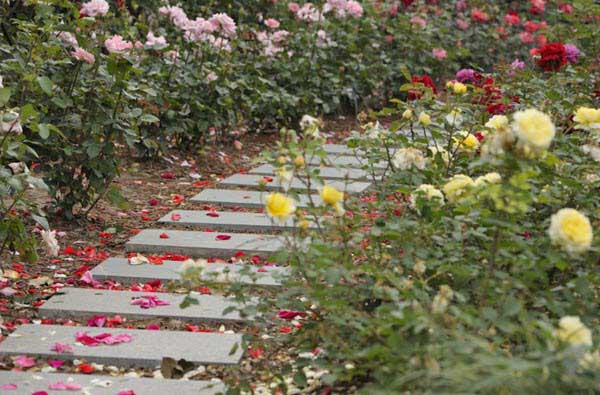
Outdoor seating transforms a garden from something you simply admire into a place you actually use. A small patio, bench beneath a shade tree, or cozy seating area surrounded by flowering plants creates an inviting destination for morning coffee or evening conversations. Solar lighting placed along walkways and garden borders extends the enjoyment well after sunset and improves safety without increasing energy costs.
Maintain Smarter Instead of Working Harder
Even the best landscape needs regular attention, but smart planning dramatically reduces the workload. Installing drip irrigation delivers water directly where plants need it most while limiting waste and discouraging fungal diseases caused by wet foliage. Grouping plants with similar water needs also makes irrigation more efficient throughout the growing season.
Routine pruning, seasonal feeding, and removing spent blooms keep plants healthy without turning gardening into a full-time hobby. Spend a few minutes each week addressing small tasks instead of waiting until everything needs attention at once. Consistent care produces healthier plants, fewer surprises, and a yard that continues improving year after year.
A landscape does not have to be extravagant to leave a lasting impression. Thoughtful plant choices, practical design, and regular maintenance create outdoor spaces that stay beautiful through every season while rewarding your effort for many years to come.