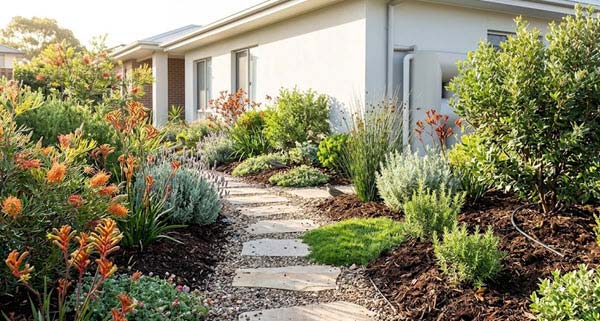
A garden can look good even if you do not water it often or take care of it all the time. With some planning, you can make an outdoor space that stays nice and uses less water. The key is to know your local weather, make your soil better, pick the right plants, and set up your garden so that things grow well all year.
Sustainable landscaping looks at how a garden fits in with the area around it. Small choices, like cutting down on runoff and helping local plants and animals, can make a yard look better and work well for many years. If you are changing a small courtyard or planning a whole backyard, using water-saving ideas is a good way to begin.
Build a Garden Around Natural Conditions
Good landscaping sydney projects start when you know about things like sunlight, water flow, the feel of the soil, and the weather around you. A plant that does well in a shady, wet spot might not grow in a bright place with soil where water goes out fast. Choosing the right plants for each spot means you do not need to water too much, and your garden will grow stronger.
Choose Plants That Suit the Site
Plants that need less water can help lower how much you need to water once they grow. But saving water does not mean you have to lose colour or variety in the garden. When you mix strong plants, flowers, groundcovers, and shrubs, you get many layers of texture. This also helps keep the garden balanced.
Consider these practical approaches:
● Choose plants that do well with the sunlight, soil, and wind in your garden.
● Group plants that need the same amount of water.
● Use local native plants if they fit the look and growing needs of your yard.
● Do not use a lot of lawn if people do not use it much.
● Put shade plants in the right spots. This can help shield some areas from hot sunlight.
A mix of different plants can give food and shelter to helpful insects and birds. This can make the garden better for nature.
Improve Soil Before Installing New Plants
Good soil is very important if you want to use less water in your garden. Soil that has the right kind of organic matter helps keep water in the ground, helps roots grow, and supports living things that help plants. The best way to treat your soil depends on what kind it is right now. Heavy clay soil and sandy soil have different problems when it comes to holding water and letting it drain.
Use Mulch and Compost Strategically
Compost can help make the soil better. A good layer of organic mulch helps keep water from drying up, stops weeds from growing, and keeps the soil at a nice temperature. Make sure not to put mulch right next to plant stems and trunks. This way, there will not be too much water close to them.
| Landscaping feature | Water-wise benefit | Practical consideration |
| Drought-tolerant plants | Reduces watering needs after establishment | Choose species suited to site conditions |
| Organic mulch | Slows moisture loss and limits weeds | Maintain a suitable depth |
| Compost-enriched soil | Supports soil structure and root growth | Match amendments to soil needs |
| Drip irrigation | Delivers water near plant roots | Inspect for leaks and blocked emitters |
| Rainwater collection | Provides an alternative water source | Check tank capacity and local requirements |
These steps support each other. Making the soil better by itself will not get rid of the need to water. But it can help plants use the water in the soil in a better way.
Make Watering More Efficient
Water-wise gardens do better when you water them based on what the plants need. It is not good to stick to a set schedule no matter what. If you give your plants too much water, it can waste water. It can also cause root problems. There is a chance that it can wash away good stuff that plants need near their roots.
Introduce Smarter Water Management
● Water early in the morning when the air is cooler. This is the time when there is less water lost to the air.
● Use drip irrigation when it is needed. This will send water right where plant roots need it.
● Feel the soil to know if it is wet or dry before watering grown plants.
● Change how you water after it rains. Do not always use the same plan.
● Collect rainwater if you are allowed. Use this water for parts of your garden that need it.
● Look at your watering tools often. This helps you find leaks or spots that do not get water.
Gardeners need to think about how water moves and where it will go. Surfaces that let water pass through, spaces with plants, and rain gardens made the right way let the rainwater go into the soil. This helps the water not run off into drains right away.
Conclusion
A water-wise garden uses the right plants, good soil, smart watering, and careful planning of space. This helps people use less water and still have a yard that looks good. If you are working on landscaping sydney changes, taking time to match your garden to your land will make it stand up better to changes and be easier to care for. When you plan the garden with what you already have outside, things just work better. It helps people have a greener and more earth-friendly space for a long time.