A thriving garden is rarely the result of chance. It grows from thoughtful choices—plants selected with intention, spaces arranged to feel safe, and an understanding that wildlife responds to subtle signals we often overlook. While many gardeners focus on attracting either birds or butterflies, the most rewarding outdoor spaces often support both, creating a layered, living environment that changes throughout the day and across the seasons.
Butterflies and birds may seem very different, but their needs overlap more than we expect. When a garden is designed with pollinators in mind, it naturally becomes richer, more dynamic, and more resilient.
Why Butterflies Are Drawn to Thoughtful Gardens
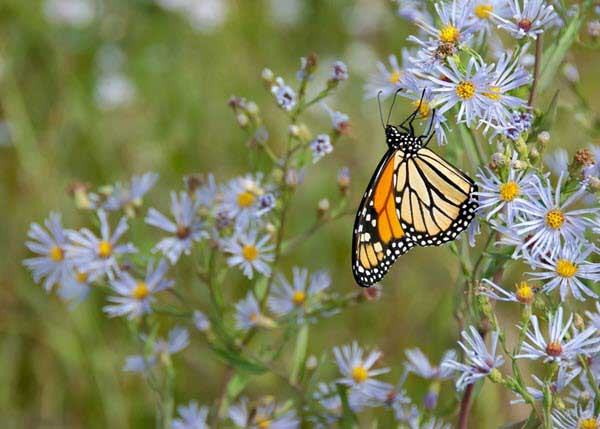
Butterflies are highly sensitive to their surroundings. They are guided not only by color and nectar, but by shelter, warmth, and the overall “feel” of a space. A garden filled with native plants, sunlit patches, and gentle wind protection offers butterflies what they need most: energy, safety, and consistency.
Native flowering plants play a central role. Species like milkweed, coneflower, bee balm, and asters provide nectar for adult butterflies while also supporting caterpillars during their most vulnerable life stages. Without host plants, butterflies cannot complete their life cycle, no matter how attractive a garden may look.
Equally important is allowing the garden to remain slightly imperfect. Leaving seed heads, fallen leaves, and undisturbed corners provides shelter and overwintering habitat that many butterfly species rely on.
How Birds Complement a Butterfly-Friendly Space
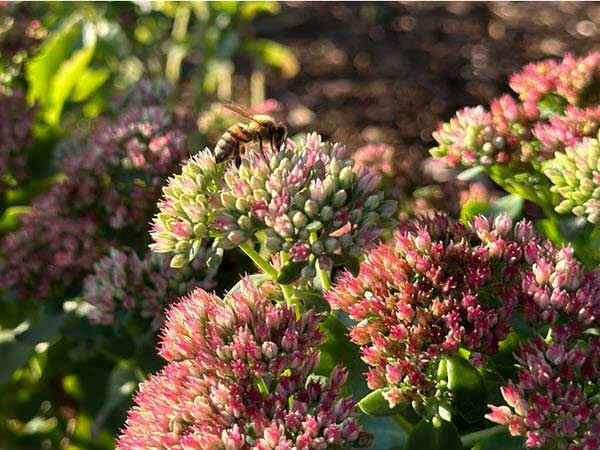
At first glance, birds and butterflies may seem to compete for garden resources, but in reality, they often enhance one another’s presence. Birds help regulate insect populations, keeping ecosystems balanced without eliminating pollinators. Their movement through the garden encourages growth patterns that benefit flowering plants, while their droppings contribute trace nutrients back into the soil.
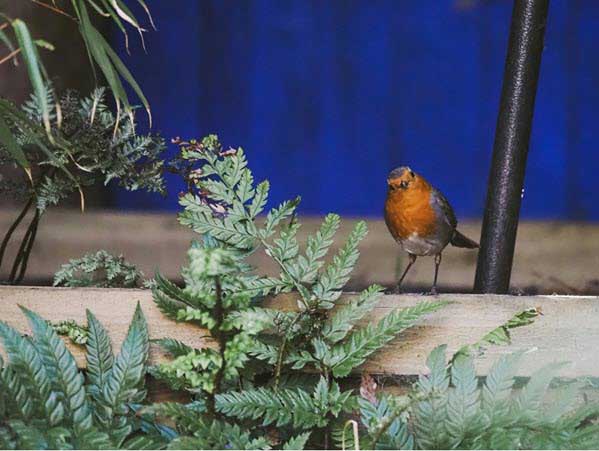
Birds are also excellent indicators of garden health. When birds visit regularly—and linger rather than simply passing through—it often means the garden offers shelter, water, and food in a reliable way. These same qualities create an inviting environment for butterflies.
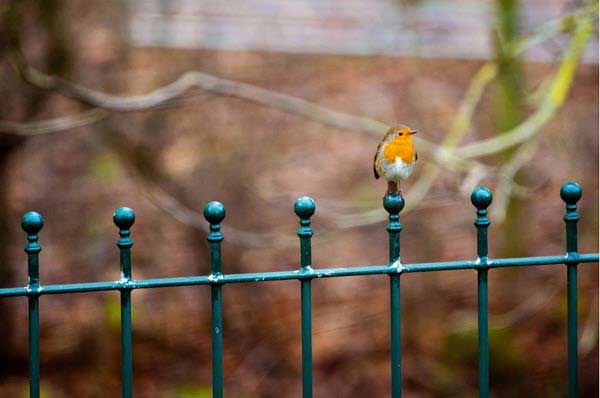
By designing for birds thoughtfully, gardeners often strengthen the conditions butterflies depend on as well.
Designing for Shared Habitat
The most successful gardens for both birds and butterflies emphasize layers. Ground-level plantings provide cover and larval food sources. Mid-height shrubs offer shelter from wind and predators. Taller plants, small trees, or trellises create perching and resting areas.
Water is another essential element. Shallow water sources, such as dishes with stones or gently sloped birdbaths, serve both butterflies and birds when placed in quiet areas. Butterflies need safe, shallow access to moisture and minerals, while birds rely on water for drinking and bathing year-round.
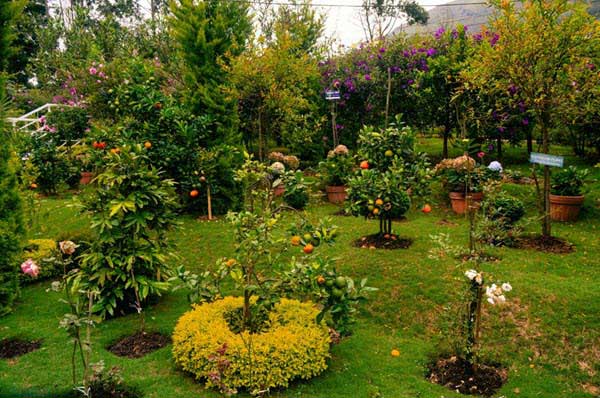
Consistency matters more than abundance. A garden that reliably offers a few key resources will attract more wildlife over time than one that changes dramatically from season to season.
Thoughtful Feeding Without Disrupting Nature
Supplemental feeding can support birds, especially during colder months or periods of natural scarcity, but it should never overwhelm the garden’s natural balance. Feeding areas work best when they are placed discreetly, integrated into planting rather than standing apart from it.
In gardens where feeding is part of a broader habitat strategy, options like kingsyard bird feeders are sometimes chosen for their ability to blend into outdoor spaces while offering consistent access for birds. When feeders are positioned near natural cover and away from high traffic areas, birds feel safer, and butterflies remain undisturbed.
The goal is not to dominate the garden with feeding stations, but to support wildlife gently, allowing natural behaviors to continue.
Seasonal Awareness and Patience
Butterfly and bird activity changes dramatically throughout the year. Spring brings emergence and migration, summer brings abundance, autumn signals preparation, and winter offers quiet resilience. Gardens that support wildlife year-round embrace these shifts rather than resisting them.
Leaving stems standing through winter, delaying cleanup until spring, and observing which plants return first all help maintain continuity for insects and birds alike. Over time, gardeners often notice that wildlife begins to anticipate these patterns, returning earlier and staying longer each year.
A Garden That Gives Back
Creating a garden that welcomes butterflies and birds is not about achieving a perfect look. It is about fostering relationships—between plants, wildlife, and the people who care for the space. These gardens feel alive not because they are busy, but because they are trusted.
When gardeners allow nature to participate fully, the rewards are subtle but lasting: the quiet flutter of wings, the pause of a bird at the garden’s edge, the sense that the space is part of something larger than itself. For those interested in exploring habitat-friendly garden tools and resources, more information can be found at kingsyard.com, but the heart of any successful wildlife garden remains the same—patience, observation, and respect for the life it supports.