The morning light hit the pasture just right, catching those little white butterflies that dance above horse droppings like nature’s own confetti. I’d been scooping poop for twenty minutes, same as every dawn, when it struck me—I was witnessing something magical. Those weren’t just any butterflies flitting over my mare’s manure; they were dainty sulphurs, drawn to the exact conditions my horse created.
You know what? I nearly dropped my pitchfork. Here I was, thinking I was just doing barn chores, when actually I was managing a butterfly buffet. The connection between what goes into my horse and what comes out to feed pollinators had never crossed my mind. Not once in fifteen years of horse ownership.
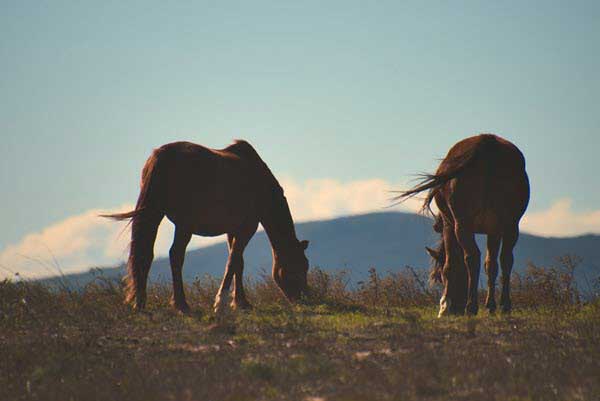
But here’s where it gets interesting. Those butterflies weren’t just randomly picking my pasture. They were responding to something specific about my horse’s waste—something that directly relates to how I manage her internal health. The herbs I’d been giving her for natural parasite control weren’t just keeping her gut happy; they were creating butterfly habitat gold.
Let me explain. Conventional dewormers don’t just kill parasites in your horse. They pass through the digestive system and exit exactly where you’d expect, carrying chemical residues that persist in manure for months. These residues don’t discriminate—they kill beneficial insects right alongside the problematic ones. It’s like using a sledgehammer to hang a picture; sure, you get the job done, but you’ve also destroyed your wall.
The Hidden Chemistry of Horse Apples
Horse manure isn’t just waste—it’s an entire ecosystem waiting to happen. When your horse processes herbs like sage, kelp, and chaparral (the main ingredients in natural dewormers), something remarkable occurs. These plants contain compounds that create ideal conditions for beneficial bacteria and fungi, the very organisms butterflies need for their life cycles.
Think about it. Butterflies don’t just need nectar plants; they need the whole microbial community that supports their development. Chemical dewormers strip away these microorganisms, leaving behind sterile manure that might as well be plastic. But herbal alternatives? They enhance the biological diversity, creating what butterfly enthusiasts call “microhabitat heaven.”
I learned this the hard way after switching my mare to chemical dewormers one season. The difference was stark—fewer butterflies, reduced bird activity, even the dung beetles seemed depressed. My pasture went from buzzing with life to feeling like a biological desert. That’s when I started researching natural alternatives and discovered Silver Lining Herbs official site through another horse owner who’d noticed similar patterns.
From Pasture to Pollinator Pathway
Here’s where your gardening brain needs to shift gears. Those butterflies hovering over horse manure aren’t just passing through—they’re conducting chemical analysis with their feet. Seriously. Butterfly feet contain chemoreceptors that detect specific compounds, telling them whether a location suits their needs.
When your horse’s digestive system processes natural herbs, it creates manure rich in organic compounds that butterflies recognize as beneficial. These compounds signal the presence of host plants nearby, even if those plants are fifty yards away in your formal garden. It’s like butterflies have their own internal GPS system, and your horse manure is broadcasting coordinates.
But the connection runs deeper than just attraction. Butterfly larvae—those hungry caterpillars we gardeners welcome—need specific microbial environments to thrive. The bacteria and fungi that colonize herbally-managed horse manure create perfect nursery conditions for these juveniles. It’s nature’s original daycare system, hidden in plain sight.
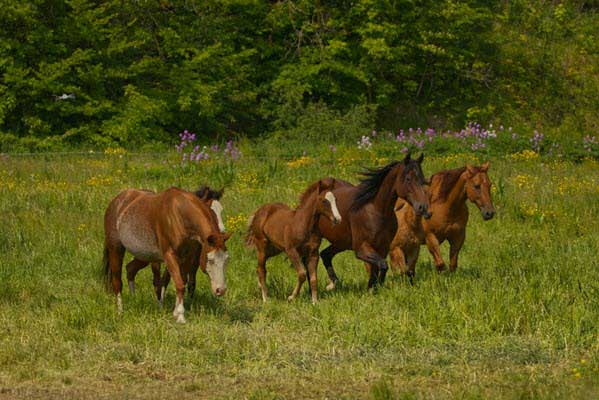
The Seasonal Rhythm of Equine Ecology
Spring brings the most dramatic examples of this horse-butterfly connection. As overwintering butterflies emerge, they’re drawn to last year’s manure piles that have been quietly composting through winter months. These aged deposits, especially from horses managed with herbal protocols, become butterfly magnets precisely when populations are rebuilding.
Summer tells a different story. Fresh manure from naturally-managed horses provides immediate habitat for smaller butterfly species, while the composting process creates heat islands that extend butterfly activity periods into cooler evenings. Your horse’s morning constitutional becomes evening entertainment for winged visitors.
Fall perhaps offers the most critical connection. Migrating butterflies need energy-dense fuel sources for their journeys, and well-managed horse manure supports the late-blooming plants they depend upon. Goldenrods, asters, and Joe Pye weed all benefit from the nutrient cycling that starts in your horse’s gut and ends in your pasture soil.
Practical Magic for Horse Property Owners
So how do you harness this unexpected synergy? Start by viewing your horse’s digestive health as habitat creation rather than just parasite management. Those herbal dewormers aren’t alternative medicine—they’re ecosystem engineering tools.
Consider your manure management strategy too. Rather than removing every pile immediately, designate specific areas for composting where butterflies can access the ecological benefits. These “butterfly stations” become focal points for pollinator activity, drawing species into areas where you’ve planted nectar sources.
Timing matters enormously. Rotate your composting areas seasonally, allowing previous locations to fully integrate into soil biology before disturbing them again. This creates a mosaic of habitat conditions that supports different butterfly species throughout their life cycles.
The Ripple Effect Nobody Talks About
Here’s what really surprised me about this whole connection. When I switched to natural horse care methods, the changes rippled outward in ways I never anticipated. Butterfly populations increased, yes, but so did beneficial insects that control garden pests. Birds arrived to feed on these insects, bringing songs and activity that transformed my property’s entire feel.
Even my neighbors noticed. One commented that my pasture “just seemed happier” than others in our area. She couldn’t articulate what felt different, but the increased wildlife activity, healthier plant growth, and overall vibrancy created an atmosphere that people sensed even if they couldn’t identify the source.
This isn’t just about butterflies, though they’re excellent indicators of ecological health. It’s about recognizing that every choice we make in animal care creates cascading effects through local ecosystems. Your horse isn’t separate from your garden; they’re intimately connected through the invisible threads of biology and chemistry.
Making the Transition Without Disruption
Honestly? Switching from chemical to natural horse care felt daunting initially. I’d grown dependent on the convenience of paste dewormers and the apparent security they provided. But watching my butterfly populations crash—and understanding my role in that decline—motivated change more than any abstract environmental concern.
The transition proved simpler than expected. Herbal dewormers integrate easily into feeding routines, often mixing directly with grain or supplements. My mare accepted the change without hesitation, perhaps recognizing something inherently right about consuming plants rather than synthetic chemicals.
Results appeared gradually but consistently. Within one season, butterfly diversity increased noticeably. By season two, I was documenting species I’d never seen on my property. The transformation felt magical, but it was simply biology responding to better management choices.
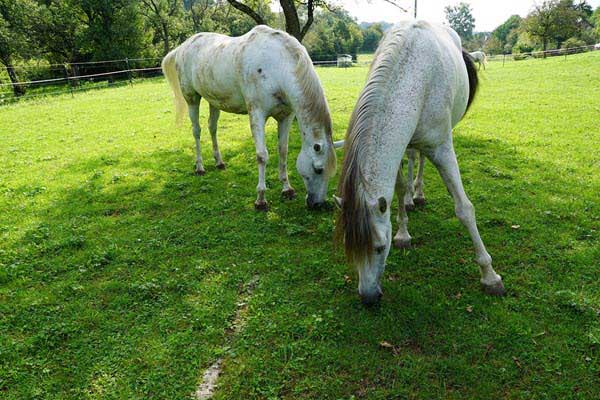
Your Horse, Your Garden, Your Choice
The connection between horse manure and butterfly habitat might seem like gardening trivia, but it represents something larger. Every management decision we make creates unintended consequences, both positive and negative. Understanding these connections empowers us to choose outcomes that support the broader ecological community.
Next time you’re scooping poop or scheduling deworming, remember—you’re not just maintaining horse health. You’re managing butterfly habitat, supporting pollinator populations, and participating in ancient ecological relationships that predate domestication by millions of years. Your horse’s manure isn’t waste; it’s butterfly heaven waiting to happen.
And honestly? That perspective shift transforms mundane barn chores into acts of ecological stewardship. My morning cleanup routine now feels like habitat management rather than waste disposal. Those butterflies dancing above fresh piles aren’t just pretty—they’re validation that my choices matter beyond my horse’s immediate health.
The best part? This approach costs no more than conventional methods while providing benefits that extend far beyond my property boundaries. Butterfly conservation, horse health, and gardening success all align through one simple principle: work with natural systems rather than against them. Sometimes the most profound solutions hide in plain sight, disguised as everyday responsibilities we’ve been performing without understanding their full significance.