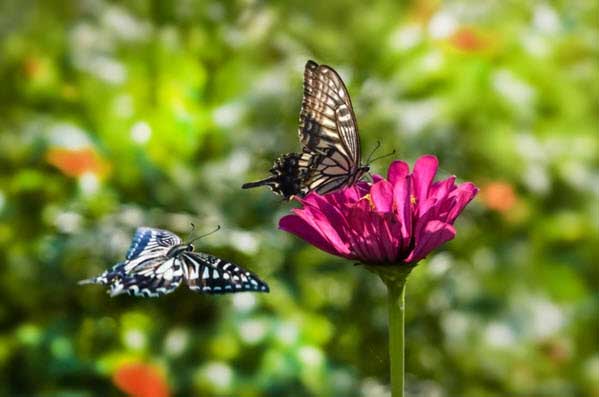
The majority of butterfly gardens are created with one consideration in mind: the butterfly, which is all very well (and sensible) until the gardener has to retreat indoors, because it is all just too hot to stay outside.
In a butterfly garden, shade does both. However, butterflies require direct sunlight to warm their wings and find nectar, so you don’t want to create a shade garden, but a well-structured one. The ideal designs keep nectar plants and swallowtail butterflies bathed in full morning sun, and then provide afternoon respite once the mercury rises during a nasty heat wave.
That little buffer in the afternoon is more important than most gardeners think. The plants are all suffering from heat stress, as are the people tending them, and no one wants to work in front of a garden that’s too hot to sit in. Placing your custom outdoor shade structures or a louvered pergola for your backyard will allow someone to sit close to the action without blocking sunlight from the plants on which the butterflies depend. The rest of this article will consider how that balance between light and comfort works.
What Shade Should Do in a Butterfly Garden
Strategic shade does not mean putting up a wall against the sun. This is about providing relief where it matters most, at the edges of the garden where one would be seated, and also in the areas where butterflies sequester as the sun crests, midday.
Aim for Sun in the Morning, Relief by Afternoon
Morning sun should be unbroken so butterflies can bask, warm up, and reach their nectar plants when they are really active in the peak feeding hours of the day. But by early afternoon, the temperature in an open garden rises rapidly, and that is where proper placement comes into play. Westward-light intercepting shade on the edge of the garden absorbs the hottest heat without blocking the morning light that keeps the system functioning.
Make Comfort Part of the Habitat Plan
A garden that is too uncomfortable to sit next to fades from view and neglect. If you put custom outdoor shade structures alongside, instead of over, planting beds, the gardener can observe in comfort, and the sunlight necessary for the nectar plants and the feeding butterflies will not be unnecessarily diminished. This works well for pergolas, umbrellas, and planted shade, when they are located beside activity zones, not just above them.
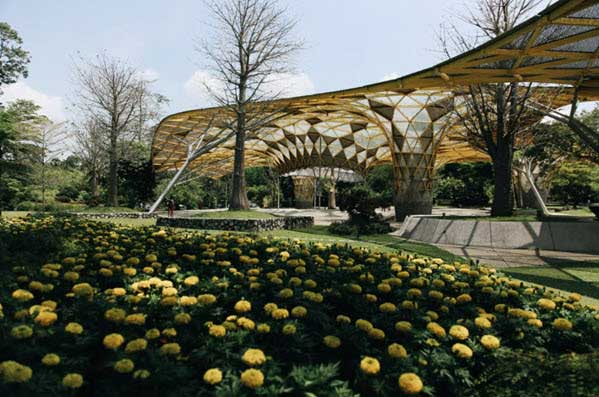
How Butterflies Use Sun and Shade All Day
This knowledge allows you to know where a butterfly actually moves within the garden and therefore makes it much easier to effectively plan out your shade, water, and seating spots.
Where Butterflies Feed, Rest, and Cool Off
Ectothermic animals, like butterflies, need an external heat source to keep their body temperature regulated. As the morning air turns cool, they open their wings to the sun and warm themselves up, so that they can fly and feed. Without that first moment of basking, they remain earthbound.

That same sun, however, becomes a nuisance as midday temperatures climb. Butterflies start moving to shaded green foliage, dense shrubs, and sheltered places to escape the heat stress. And this change does not occur once, but in a natural and rhythmic manner over the course of the day.
The distance between those two zones is what makes this relevant for garden design. Nectar resources very close to refuge zones are utilized to a much greater extent than isolated ones. Butterflies burn energy passing on their own way to feed on food that is not close by shade. Tall shrubs and small trees along the edges of the garden create microclimates, a few degrees cooler than an open bed, naturally supporting that rhythm as required by layered planting, providing butterflies a gentle transition from activity to rest.
Build Cooler Pockets Without Losing Blooms
Now that we have a sense for the behavioral habits, the next stage is to convert them into functional and practical design decisions that will maintain comfort for both the butterfly and the gardener.
Use Layers, Groundcover, and Moisture Wisely
Layers are not just for the visual aspect of planting a garden. Having the taller plants on the western side allows afternoon shade to descend on the lower beds without preventing the early morning sun (a necessity for the nectar plants and the butterflies that feed on them throughout the day) from shining on natural butterfly watering holes. A thick shallow layer of groundcover between planted areas helps to hold moisture, which also moderates surface temperatures significantly, and denser low-growing cover prevents the type of heat that radiates upward from bare soil.
You can temporarily cover stressed sections with shade cloth during a heat wave without having to give in to permanent change. A lazy way to maintain the status quo while the rest of the garden remains open and welcoming.
Choose Plants That Support Shade and Feeding
Native plants are usually well-suited to partial shade too, and they value guaranteed nectar output, so can be a sensible stay for just about any layered scheme. Grouping by light tolerance instead of height or color allows each area to properly operate. Milkweed and other host plants do best with areas having some afternoon shade while still being visible and accessible to egg-laying butterflies. Planting a mix of host plants and nectar plants appropriately spaced throughout the light zones results in a year-round butterfly habitat to support the full life cycle of the butterfly, not just feeding visits.
A Cooler Garden Is Easier to Keep Watching
A butterfly garden should not be overly sunny or completely shaded. It is about small changes in timing, placement, and layering, that will keep the hottest months reasonable for butterflies, and also for the people watching them. Refuge areas, proper shade placement, and a heat wave plan transform the aggravating season into an enjoyable one.