A butterfly resting on a flower can make a quiet close-up, while one taking off can create a completely different kind of image. Even a common species can look fresh when you change your viewpoint or include more of its surroundings.
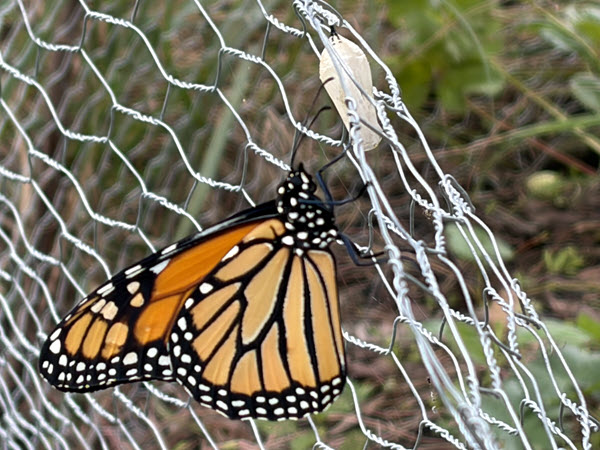
But butterflies are small, fast, and rarely stay where you expect, so even experienced photographers might be scared to capture them. This nature photography subgenre requires more than good equipment. You need to notice where your subjects settle, how they move, and how the light changes around them.
In this guide, we cover these nuances and additional technicalities as applicable butterfly photography tips to make the process simple, calm, and enjoyable.
Tip 1: Mind the Place and Time
The perfect location for butterfly shots usually features plenty of flowering plants. It can be a meadow, a garden, or a nature reserve. Learn something about habitats and food plans. Notice which flowers attract butterflies and whether they return to the same plants. Some species also use particular spots to rest or warm themselves. Once you recognize these patterns, you can slow down and wait calmly instead of chasing every butterfly around you.
Understanding how to photograph butterflies highly depends on when you photograph them. On warm, sunny days, butterflies often become more active as the temperature rises. Moving objects are harder to capture, but your photo collection will be more interesting and dynamic.
Weather matters, too. Cooler conditions can slow butterfly activity, while strong winds can make both the insect and nearby plants move constantly. Overcast weather may also produce softer, more even light than harsh midday sun.
Tip 2: Approach Slowly
Avoid touching, moving, or deliberately disturbing butterflies for a photograph. A sudden movement or a shadow thrown at your subject can easily scare it away, so be gentle and cautious. If the butterfly moves away, stop and give it some time.
If you see a butterfly returning to the same flower or leaf, choose a good position and wait for it. Take a moment to watch what the subject does before pressing the shutter. You may notice that it repeatedly opens its wings, changes position, or returns to a familiar perch. These small patterns will help you develop a predictable workflow approach.
Tip 4: Pay Attention to the Composition
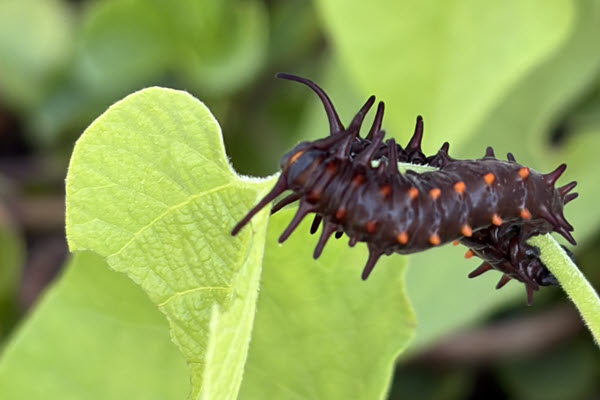
You do not always need to get extremely close. A slightly wider composition can show the insect in its natural surroundings and make the butterflies’ photography more interesting. A side view can show the shape of the wings, while a lower angle will make your subject stand out against a smooth and soft background.
Leaves, stems, and bright patches can easily pull attention away from the butterfly. If the background looks busy, try moving a step to either side or changing your height. If it does not work, do not disturb the insect. Take the photo as it is, then use an online AI photo enhancer to address the distractions post-shot and make the main subject stand out.
Work with the surrounding space. Flowers and plants provide additional context on where the picture was taken. For a more detailed image, fill more of the frame and experiment with macro techniques, focusing on the wings. Try several compositions before moving on. The first frame may capture what you saw, but a few thoughtful changes can create a compelling, engaging narrative.
Tip 5: Adjust Your Camera Settings
As we said, the most challenging part of butterfly photography is movement. You need to react quickly and keep your camera ready. If your subject is resting on a flower, you can take a little more time to focus and compose the frame. For a butterfly in flight, choose faster shutter speeds to prevent motion blur.
If your camera allows it, take a short burst of photos when the butterfly starts moving. You may find that one frame catches the wings in a particularly interesting position. Adjust the focus manually, as the smaller the subject, the harder it is for the built-in autofocus system to detect and track it.
Tip 6: Post-Process Subtly
Your photo may require a little enhancement before you post it. If your image is too dull or flat, adjust the brightness and color sliders in your photo editor. Focus especially on the wings. Subtle markings will be blurred if your image is a little soft or lacks sharpness. Sharpening can help you regain detail, but be careful because an oversharpened photo will appear grainy and fake. It’s also worth inspecting the edges of your frame and removing any minor distractions before saving your image for export.
Conclusion
Butterflies can be tricky to photograph, but it’s well worth the challenge. With a bit of preparation, a keen eye, and patience, you could get some fantastic creative opportunities. When you take your camera out in a park, garden, or meadow, stop for a while and observe. Each time, you will learn something new about the gorgeous world you are living in.