Quality tools aren’t cheap.
Anyone who works with their hands knows this. Whether you’re a tradie, a serious DIYer, or someone building out a home workshop, tool costs add up fast. A few major purchases each year can quietly turn into thousands of dollars.
Yet some tradespeople seem to run top-tier gear without constantly complaining about price.
It’s not because they’re spending recklessly.
It’s because they’ve learned how to stretch their tool budget further than most.
Here are some of the practical, lesser-known strategies that experienced tradespeople use to get more value from every dollar.
They Time Purchases Around Promotions
Most big tool brands run periodic promotions throughout the year.
These can include:
- Free bonus tools
- Battery bundle deals
- Cashback offers
- Redemption programs
Tradespeople who pay attention don’t buy everything the moment they need it. They plan larger purchases around these events.
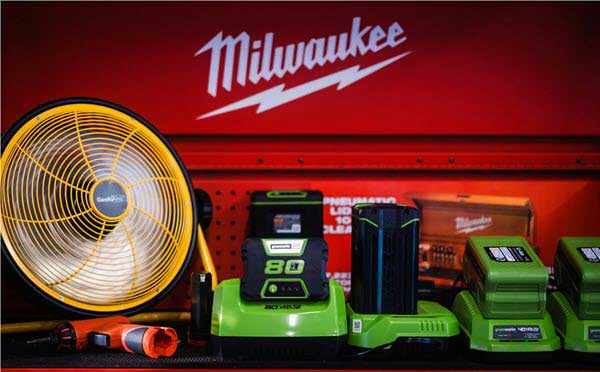
For example, watching for a Milwaukee redemption offer can mean buying one tool and receiving another at no extra cost.
That effectively cuts the per-tool cost without sacrificing quality.
They Invest in Battery Platforms, Not Individual Tools
Buying random tools from different brands seems harmless at first.
But it often leads to:
- Multiple battery types
- Extra chargers
- Higher long-term costs
Experienced tradespeople choose a battery platform and stick with it.
This allows them to:
- Buy bare tools at lower prices
- Share batteries across devices
- Reduce accessory costs
Over time, this approach saves hundreds, sometimes thousands.
They Prioritise Tools That Replace Multiple Others
Some tools do one job.
Others can handle several.
Smart buyers look for multi-purpose tools that reduce the need for additional purchases.
Examples include:
- Multi-tools instead of multiple hand tools
- Combo drill/driver kits
- Adjustable rather than fixed-size equipment
Fewer tools means less spending and simpler storage.
They Buy Once, Cry Once
Cheap tools often cost more in the long run.
They break sooner. Perform worse. Get replaced faster.
Experienced tradespeople focus on:
- Proven brands
- Solid warranties
- Good service support
Paying a little more upfront often means avoiding repeated purchases later.
The result is a lower total cost of ownership.
They Take Care of What They Own
Maintenance is an underrated budget strategy.
Simple habits extend tool life:
- Cleaning after use
- Storing properly
- Replacing worn parts early
- Avoiding unnecessary strain
A well-maintained tool can last years longer than a neglected one.
That alone saves serious money.
They Buy Kits Strategically
Tool kits often offer better value than buying items individually.
Tradespeople compare:
- Individual tool pricing
- Kit pricing
- Included accessories
Sometimes a kit costs only slightly more than a single tool, yet includes batteries, chargers, and cases.
Those extras would cost significantly more if purchased separately.
They Resell or Trade Unused Gear
Most workshops contain tools that rarely get used.
Savvy tradespeople:
- Sell unused tools online
- Trade with other tradies
- Reinvest the money into higher-priority gear
This keeps their setup lean and their cash flow healthier.
They Separate “Must-Have” From “Nice-to-Have”
Not every shiny new tool is essential.
Before buying, experienced tradespeople ask:
- Will this tool save me time?
- Will it improve quality?
- Will it earn its keep?
If the answer is no, the purchase gets postponed.
This discipline prevents impulse buying.
They Track Spending
Many people underestimate how much they spend on tools each year.
Tradespeople who track purchases:
- See patterns
- Identify waste
- Plan future upgrades
Even a simple spreadsheet helps.
Awareness alone changes behaviour.
They Build Relationships With Tool Suppliers
Regular customers often receive:
- Early access to promotions
- Better advice on deals
- Occasional discounts
Building rapport with suppliers can unlock value that isn’t always advertised.
Stretching Your Budget Is About Strategy, Not Sacrifice
Stretching a tool budget doesn’t mean settling for inferior gear.
It means buying smarter.
It means planning purchases, leveraging promotions, maintaining equipment, and avoiding waste.
When these habits become routine, something interesting happens.
You stop feeling like tools are draining your finances.
You start feeling in control.
And that’s the real advantage experienced tradespeople have — not bigger budgets, but better systems.
With a few strategic shifts, anyone can start getting more out of their tool spend without cutting corners or compromising quality.