Not every insect around your house is a problem. Bees, ladybugs, spiders, and dozens of other species are quietly working in your favor pollinating plants, hunting mosquitoes, and keeping harmful pest populations from getting out of hand. The challenge for most homeowners isn’t just keeping pests out, it’s doing that without wiping out the insects that are actually helping. With a few adjustments to how a property is maintained, it’s entirely possible to reduce pest activity around the home while still giving beneficial bugs a reason to stay. This balance is especially important in Florida, where warm, humid conditions support insect activity of every kind almost year-round, and where pest-related concerns tend to spike once summer humidity hits its peak.
Understand Which Bugs Are Actually on Your Side
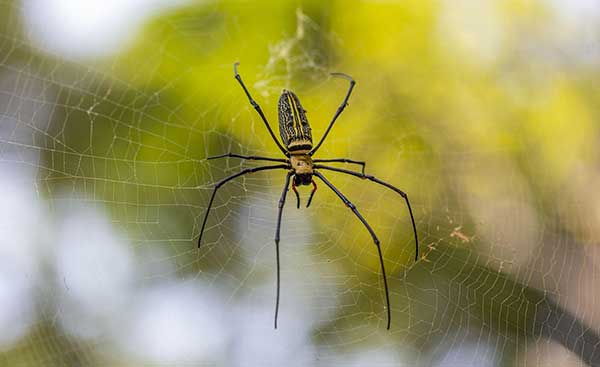
Before treating anything, it helps to know who’s who. Ladybugs and lacewings feed on aphids. Spiders and ground beetles prey on a wide range of small pests. Parasitic wasps target the larvae of insects that damage plants. None of these pose a threat to people, pets, or the home itself in fact, removing them often makes pest problems worse by clearing out the natural checks that were keeping harmful insects in line.
Broad-spectrum pesticides don’t distinguish between the two groups. A single treatment aimed at ants or roaches can just as easily kill off the beneficial insects nearby, which strips away a natural layer of pest control and can lead to bigger problems down the line. Identifying what’s actually causing trouble — rather than treating everything on sight — is the first step toward smarter pest management.
Target Moisture Before Reaching for Chemicals
Most common household pests are drawn to the same thing: moisture. Clogged gutters, leaking spigots, and low spots in the yard that collect water all create ideal breeding conditions for mosquitoes, while damp areas near the foundation attract termites, ants, and cockroaches looking for a way inside.
Addressing these conditions directly cuts down on pest pressure without needing broad chemical treatment:
- Clear gutters and downspouts regularly so water doesn’t pool near the roofline or foundation.
- Fix leaking outdoor faucets, hoses, or irrigation lines promptly.
- Grade soil near the foundation so water drains away from the house rather than toward it.
- Keep mulch a few inches away from siding, since thick mulch beds trap moisture against the structure.
Solving moisture issues removes the reason pests were drawn to the area in the first place, which is far more effective long-term than repeated spot treatments.
If activity continues despite improving drainage and reducing excess moisture, a professional Tampa pest control inspection can help identify overlooked entry points, pest activity, and other conditions around the property that may be contributing to the problem.

Seal Entry Points Instead of Treating Symptoms
A surprising number of pest problems start with small, overlooked gaps — around utility lines, foundation vents, window frames, and door thresholds. These openings give ants, rodents, and other pests direct access to the inside of the home, often without any obvious sign of them being there first.
Walking the perimeter of the house periodically to check for cracks, gaps, or worn weatherstripping can catch these issues before they turn into an infestation. Sealing entry points is a one-time fix that reduces the need for ongoing chemical treatment, and it doesn’t touch the beneficial insects working outside in the yard or garden.
Keep the Yard From Becoming a Pest Shelter
Yard maintenance plays a bigger role in home pest control than most people realize. Piles of leaves, fallen branches, and overgrown shrubs create hiding spots for roaches, ants, and rodents close to the house. Firewood stacked against the siding — or anywhere touching the ground — is a common source of termite activity that often goes unnoticed until it’s already spread.
Routine cleanup, paired with trimming vegetation back a few feet from the home’s exterior, removes these hiding spots without requiring any chemical intervention. This kind of maintenance also tends to leave beneficial insects undisturbed, since it targets debris and access points rather than the plants and flowers they depend on.
Choose Targeted Treatment When You Do Need It
Even with strong prevention habits, some pest problems — particularly termites or an already-established colony — need professional attention. In these cases, targeted treatment matters more than broad coverage. A pest control provider who identifies the specific pest and applies treatment accordingly can resolve the issue without disrupting the beneficial insects living elsewhere on the property.
Final Thoughts
Keeping pests out of the home doesn’t have to mean treating every bug as a threat. By addressing moisture, sealing entry points, and keeping the yard free of clutter, most pest problems can be prevented before they start — all without disturbing the ladybugs, spiders, and other beneficial insects doing quiet work nearby. And when professional treatment is necessary, choosing a targeted approach protects both the home and the insect populations that help keep it that way.