Gardening often involves finding the right balance between protecting plants and supporting the insects that keep a garden healthy. While some insects damage leaves, flowers, and vegetables, many others play an essential role in pollination or naturally reduce pest populations. Treating every insect as a threat can unintentionally harm bees, butterflies, ladybugs, and other beneficial species that contribute to plant health and biodiversity.
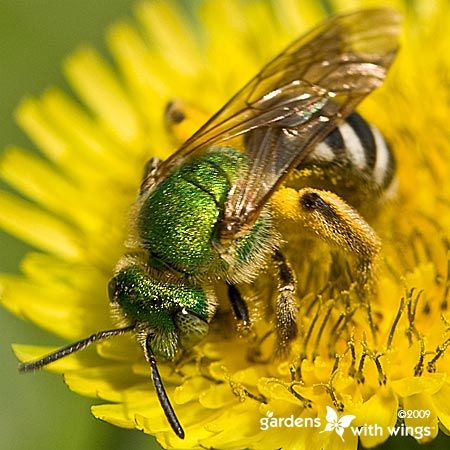
Research from the Food and Agriculture Organization (FAO) estimates that around 75% of the world’s leading food crops benefit from animal pollination, with bees being among the most important pollinators. Protecting these insects while managing harmful pests creates a healthier and more productive garden over the long term. The key lies in identifying which insects need attention, monitoring plants regularly, and using targeted methods that minimize unnecessary disruption.
Identifying Harmful Pests and Beneficial Insects
Not every insect feeding on or visiting a plant is causing damage. Learning to distinguish between destructive pests and beneficial insects is one of the most valuable skills a gardener can develop.
Common garden pests include aphids, flea beetles, Japanese beetles, cabbage worms, cutworms, and certain caterpillars that rapidly consume leaves or stems. Aphids typically gather in dense clusters on new shoots, weakening plants by extracting sap and encouraging mold growth. Beetles often leave irregular holes in foliage, while destructive caterpillars may strip entire sections of leaves within days.
Beneficial insects look quite different once you know what to watch for. Bees collect pollen and nectar while transferring pollen between flowers, supporting fruit and vegetable production. Butterflies also contribute to pollination while serving as indicators of a healthy garden ecosystem. Ladybugs feed heavily on aphids throughout both their larval and adult stages, making them valuable natural predators. Lacewing larvae, sometimes called “aphid lions,” consume large numbers of soft-bodied insects before maturing into delicate green adults.
Observing insect behavior is often more useful than appearance alone. Pollinators spend time moving between blossoms, while destructive pests typically remain concentrated on stems, leaves, or developing fruit.
Monitoring Plants Before Problems Escalate
Routine inspections allow gardeners to address pest issues before they become widespread. A few minutes spent checking plants every few days often prevents infestations from reaching levels that require stronger interventions.
Pay close attention to the undersides of leaves, where aphids, caterpillar eggs, and mites frequently hide. Wilting shoots, curled foliage, chewed leaves, sticky residue, and unusual discoloration can all signal early pest activity.
The following practices help identify problems before significant damage occurs:
- Inspect plants weekly, especially new growth and leaf undersides.
- Remove leaves or stems showing heavy infestations before pests spread.
- Identify the insect responsible before choosing any treatment.
- Monitor beneficial insect activity to determine whether natural predators are already reducing pest numbers.
- Record recurring pest problems to recognize seasonal patterns.
Regular observation often reveals that natural predators are already controlling minor infestations without additional intervention.
Encouraging Natural Predators to Maintain Balance
Healthy gardens rely on a wide range of insects rather than eliminating them altogether. Beneficial predators frequently keep pest populations below damaging levels when suitable habitat is available.
Ladybugs consume dozens of aphids each day, while lacewing larvae feed on aphids, mealybugs, whiteflies, and small caterpillars. Ground beetles prey on slugs, cutworms, and soil-dwelling larvae. Birds, spiders, parasitic wasps, and praying mantises also contribute to natural pest management.
Creating a diverse planting scheme with flowering herbs, native flowers, and varied vegetation provides nectar, shelter, and breeding sites for these helpful species. Avoiding unnecessary pesticide use allows beneficial insect populations to establish naturally rather than being eliminated alongside pests.
Scientific studies published by organizations including the Xerces Society for Invertebrate Conservation have shown that diverse landscapes supporting beneficial insects improve biological pest control while also increasing pollinator abundance.
Reducing Aphids, Ants, Beetles, and Caterpillars Naturally
Different pests require different management strategies. Applying the same treatment across an entire garden often harms beneficial insects while failing to address the underlying problem.
Aphids can often be controlled by spraying plants with a strong stream of water to dislodge colonies. Removing heavily infested shoots also limits reproduction. Since ladybugs and lacewings actively feed on aphids, allowing these predators to remain undisturbed frequently reduces populations within days.
Ants present a slightly different challenge because they protect aphids in exchange for honeydew, interfering with natural predators. Reducing aphid populations usually decreases ant activity as well. Eliminating food sources around the garden and disrupting ant trails can also discourage colonies without affecting pollinators.
Beetles are often easiest to manage through hand removal during cooler morning hours when they move more slowly. Floating row covers may protect susceptible crops before flowering begins, though these should be removed when pollination becomes necessary.
Some caterpillars eventually become valuable butterflies or moths, while others remain destructive crop pests. Correct identification is important before taking action. Removing only the species responsible for serious damage helps preserve future pollinators and supports ecological balance.
When localized infestations become difficult to manage, a company providing Oceanside pest control services may recommend targeted treatments that focus on affected plants rather than broad applications across the entire landscape. This approach helps address persistent pest populations while minimizing unnecessary exposure for pollinating insects.
Choosing Targeted Treatments Over Broad Applications
Broad-spectrum insecticides rarely distinguish between harmful pests and beneficial insects. Bees, butterflies, hoverflies, lacewings, and predatory beetles can all be affected by treatments intended for entirely different targets.
Integrated Pest Management (IPM), widely promoted by agricultural extension services and environmental agencies, recommends using the least disruptive solution appropriate for each situation. Cultural practices, physical removal, biological controls, and selective products are preferred before considering broader chemical interventions.
Spot treatments applied directly to affected plants reduce unnecessary contact with surrounding vegetation where pollinators forage. Timing also matters. Applying treatments late in the evening, after bees have returned to their nests, lowers the likelihood of accidental exposure.
Gardeners dealing with persistent infestations sometimes seek guidance from specialists familiar with pest control practices that emphasize inspection, accurate pest identification, and localized management instead of routine blanket treatments. Careful targeting helps preserve beneficial insect populations while limiting damage to vulnerable plants.
Creating a Pollinator-Friendly Garden That Resists Pests
Healthy gardens are naturally more resilient to pest outbreaks. Plant diversity limits the spread of insects that specialize in feeding on a single species, while flowering plants provide food for pollinators and predatory insects throughout the growing season.
Native plants often require fewer interventions because they have adapted to local growing conditions and support regional insect populations. Providing shallow water sources, leaving small areas of natural habitat, and avoiding excessive garden cleanup during colder months also helps beneficial insects survive from one season to the next.
Healthy soil contributes as well. Compost, mulch, and proper watering improve plant vigor, making many plants better able to tolerate minor pest damage without significant reductions in growth or harvest.
Gardens do not need to be completely free of insects to remain productive. A small amount of pest activity is normal and often supports the predator populations that prevent larger outbreaks later in the season.
Final Analysis
Managing garden pests successfully is less about eliminating insects and more about maintaining balance. Careful observation, accurate identification, and selective intervention allow gardeners to protect vegetables, flowers, and ornamental plants without disrupting pollinators that sustain healthy ecosystems.
By monitoring plants regularly, removing heavily infested growth, encouraging natural predators, and reserving targeted treatments for situations where they are genuinely needed, gardeners can reduce problems caused by aphids, ants, beetles, and damaging caterpillars while continuing to support bees, butterflies, ladybugs, lacewings, and countless other beneficial species. This balanced approach produces healthier gardens, stronger biodiversity, and more reliable harvests year after year.