A healthy garden in Australia depends on more than good soil and sunlight, it relies heavily on how efficiently outdoor water systems are managed. With periods of drought, water restrictions, and seasonal extremes across regions like Victoria, maintaining these systems is essential not just for plant health, but for responsible water use. Outdoor plumbing, irrigation, and drainage all play a role in ensuring that gardens remain sustainable and cost-effective to maintain.
Without proper upkeep, even minor issues such as leaks or blocked irrigation lines can lead to significant water waste and higher utility bills. In a country where water conservation is a priority, consistent maintenance is one of the most practical ways to keep gardens thriving while staying compliant with local expectations.
Understanding Outdoor Water Systems in Australian Conditions
Outdoor water systems in Australia must be designed to handle variable conditions, from dry summers to sudden heavy rainfall. These systems typically include irrigation lines, taps, sprinklers, and drainage networks that work together to regulate water flow.
Because of the climate, systems often experience more stress than in milder regions. Pipes may expand in heat, while debris from storms can block drainage systems. This makes regular inspection essential to ensure everything functions efficiently.
Keeping systems in good condition allows water to be distributed evenly, preventing both overwatering and dry patches, two common issues in Australian gardens.
Keeping Irrigation Systems Efficient Year-Round
Efficient irrigation is critical in Australia, where water restrictions can apply depending on the region and season. Systems must be carefully managed to ensure they deliver the right amount of water without waste.
Routine maintenance includes checking sprinkler alignment, cleaning filters, and flushing irrigation lines. These simple actions prevent blockages and ensure consistent water distribution.
Adjusting watering schedules is equally important. During hotter months, plants may require more frequent watering, while in cooler periods, reducing usage helps avoid oversaturation and unnecessary consumption.
Preventing Leaks and Water Waste
Water leaks are not just a maintenance issue, they are a major concern in Australia due to the importance of conservation. Even a small leak in an outdoor system can waste thousands of litres of water over time.
Checking hoses, taps, and connectors regularly helps identify problems early. Cracked fittings or worn seals should be replaced as soon as possible to prevent ongoing loss.
By addressing leaks quickly, homeowners not only protect their gardens but also contribute to broader water-saving efforts, which are increasingly important across Australian communities.
Managing Water Pressure for Optimal Performance
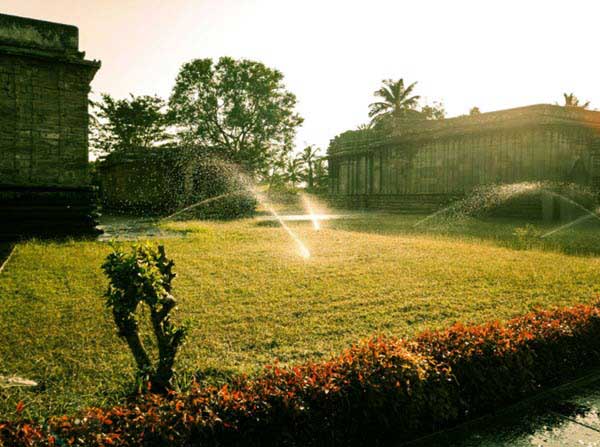
Water pressure plays a key role in how well outdoor systems function. Inconsistent pressure can lead to uneven watering, with some areas receiving too much water while others receive too little.
Excessive pressure can also damage irrigation components, causing leaks or system failure over time. Installing pressure regulators or adjusting system settings can help maintain balance.

If pressure issues persist, working with a plumber services in The Basin ensures that the system is properly assessed and adjusted to suit local conditions. Professional input can prevent long-term damage and improve overall efficiency.
Preparing Systems for Seasonal Changes
Seasonal variation is one of the biggest challenges for outdoor water systems in Australia. Preparing for these changes helps prevent damage and ensures consistent performance throughout the year.
Before summer, systems should be checked for leaks, blockages, and efficient operation to handle increased demand. During wetter months, drainage systems must be cleared to prevent water pooling and soil erosion.
Regular seasonal checks reduce the risk of sudden failures and help maintain a stable environment for plant growth.
Maintaining Drainage to Protect Your Property
Effective drainage is essential for both garden health and structural protection. Poor drainage can lead to water accumulation, which damages plant roots and increases the risk of foundation issues.
Clearing gutters, downpipes, and surface drains ensures that water flows away from the property. This is particularly important after storms, when debris can quickly block drainage pathways.
Maintaining proper drainage helps prevent long-term damage and keeps outdoor spaces functional and safe.
Australian Water Guidelines and Sustainable Practices
Water use in Australia is governed by strict guidelines designed to promote sustainability and conservation. The Australian Government Department of Climate Change, Energy, the Environment and Water provides national direction on efficient water use and environmental protection.
These guidelines encourage the use of water-efficient systems, responsible irrigation practices, and regular maintenance to minimise waste. Following these standards not only supports environmental goals but also helps homeowners remain compliant with local regulations.
Long-Term Benefits of Consistent Maintenance
Maintaining outdoor water systems is not just about immediate performance, it delivers long-term benefits that extend across the entire property. Efficient systems reduce water bills, prevent costly repairs, and support healthier plant growth.
In the Australian context, where water efficiency and environmental responsibility are key concerns, consistent upkeep is essential. A well-maintained system ensures that water is used effectively, plants thrive, and the property remains protected from damage.
Over time, these practices create a more sustainable and resilient home environment, where both the garden and the infrastructure supporting it are built to last.