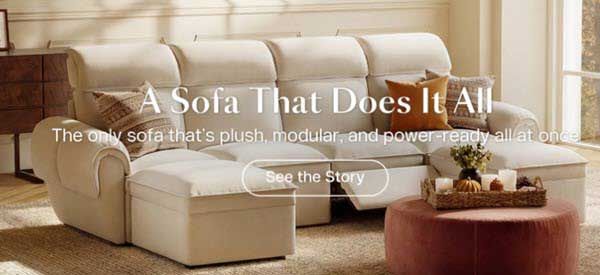
A Modular sofa is a couch made of separate pieces (modules) that you can rearrange to fit almost any room layout. Today, modular sofas are more popular than ever – especially as homes (from spacious houses to small apartments) demand flexible, multi-use furniture. Homeowners and renters alike love modular sectionals for their ability to adapt in size and shape, letting you customize your seating arrangement, style, and even comfort features (yes, some modules recline!). These sofas aren’t just versatile; they also offer a modern look and personalized comfort for today’s interiors.
Modern modular designs even support sustainable living. Instead of replacing an entire couch when your needs change, you can swap or add modules as needed. This means less waste and longer-lasting furniture. For example, if one section gets damaged, you replace just that piece rather than buying a whole new sofa. Below are a few ways modular sofas contribute to sustainability:
- Replace one section at a time: Only swap out damaged or worn modules – this reduces waste compared to throwing away a whole sofa.
- Reconfigure layouts over time: Rearranging pieces or adding new sections extends the sofa’s life – promoting longevity in your furniture use.
- Add or remove seats as needed: Customize the size for your space or family – minimizing consumption by buying only what you require.
For anyone curious about what exactly a modular sofa is, this guide will take the example of to break down the basics and benefits. You’ll see how these sofas provide custom comfort and why many reclining sectionals today are built with a modular approach for maximum flexibility.
What Is a Modular Sofa?
A modular sofa (also known as a modular sectional) is essentially a sofa that comes in multiple individual sections which can be connected or separated. Unlike a traditional one-piece couch that stays in a fixed shape, a modular sofa can be rearranged into different configurations to suit your needs. You might start with a 3-piece L-shape and later reconfigure it into a U-shape, or even break it apart into separate chairs. In short, it’s a sofa that transforms with you.
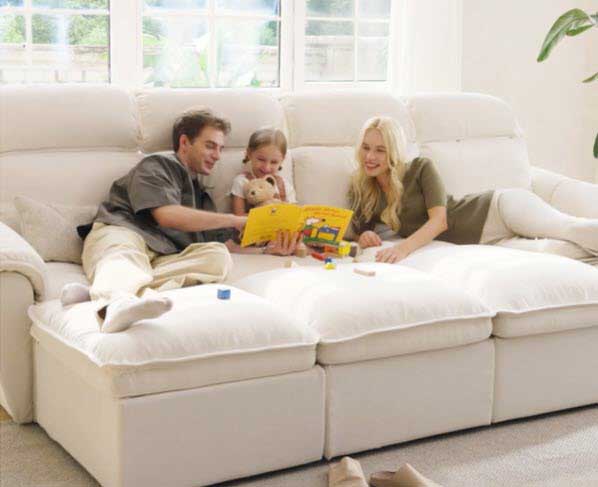
Key Features and Structure
At its core, a modular sofa is built from robust, standalone sections that lock together securely when assembled. Think of it like furniture LEGO® bricks – you can attach pieces, take them apart, and reattach them in a new layout whenever you want:
Analogy: “Modular sofas work like LEGO bricks. You can put them together, take them apart, and change them as needed.”
Each module typically has a sturdy frame (often made from plywood or solid wood) designed to connect tightly to other modules so the sofa won’t slide apart during use. Manufacturers use strong materials and hardware to ensure durability: frames are reinforced with screws, metal brackets, and specialty joint connectors. The result is a sofa that feels as solid as a one-piece couch once all sections are clipped or latched together.
Inside a modular sofa, the components are much like a regular high-quality couch, just distributed across modules. Here’s a quick look at the main parts of a modular sofa’s construction:
| Component | Description |
| Frame Construction | Sturdy wood frame for each module (plywood, composite, or solid hardwood), secured with strong joinery, staples, and screws for longevity. |
| Support Surface | Flexible support for seating, such as elastic webbing straps or sinuous S-springs under the cushions, to provide a comfy bounce. |
| Padding & Cushions | High-density foam or plush padding on seats and backs; often features removable cushion covers for easy cleaning. |
| Spring Systems | Quality sofas may use 8-way hand-tied springs for premium comfort, or more affordable sinuous wire springs, to support the cushions. |
Many modular sofas include practical touches that enhance comfort and utility. For instance, cushions often come with machine-washable covers (great for families and pet owners). Some models even hide extra storage or add tech-friendly features. For example, the CloudCubo 4-Seat Modular Sectional Sofa has removable, washable covers and hidden storage compartments under its seats – a perfect blend of comfort and functionality in a modern modular design.
Types and Configurations
Modular sofas come in a variety of shapes and sizes, so you can find the perfect layout for your living area. Here are some popular modular sofa configurations:
- L-Shaped Modular Sectional: An L-shape layout forms a cozy corner seating area – ideal for smaller living rooms or sectioning off an open-concept space.
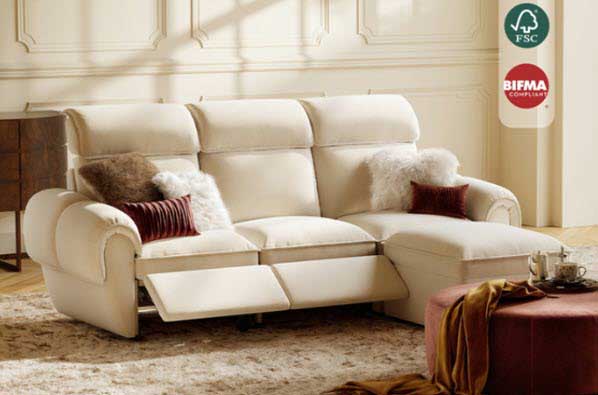
- U-Shaped Modular Sectional: A larger U-configuration provides seating on three sides, fantastic for big families or those who love to entertain groups.
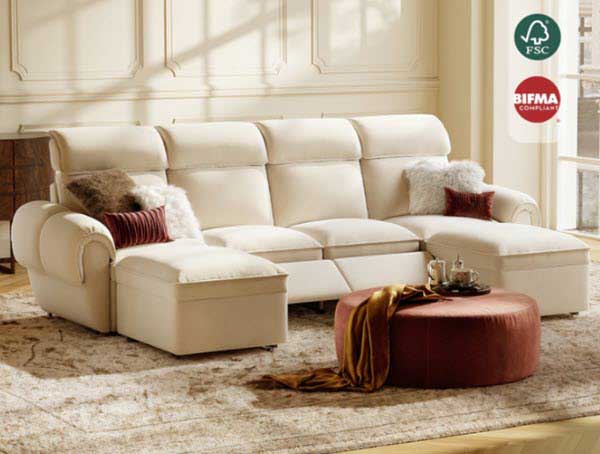
- Modular Sofa with Chaise: Includes a chaise lounge piece that you can usually move to either end, giving you a built-in footrest for stretching out.
- “Cloud” Style Modular Sofa: Inspired by the ultra-deep cloud couch trend, these have extra-deep seats and multiple plush modules for a sink-in, lounge-worthy feel – all in a configurable form.
- Compact Modular Loveseat Sets: Even small two or three-seater sofas can be modular. This lets apartment dwellers start with a petite sofa and perhaps add an ottoman or extra module later on.
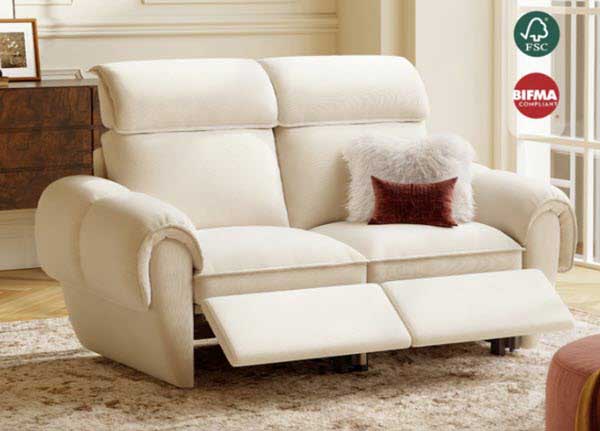
Beyond shape and size, you can often choose special features for custom comfort. Many modern modular sectionals offer upgrades that used to be found only in regular recliners or high-end sofas. For example, depending on the model you might find:
- Power Reclining Seats: Some modular sectionals include one or more modules with built-in reclining mechanisms. With the press of a button, the seat back reclines and a footrest extends – perfect for kicking back after a long day. (It’s not uncommon now to see a modular reclining sectional that combines flexibility with the relaxation of a recliner.)
- Adjustable Headrests: Certain designs feature headrests that can flip up or be angled to support your head and neck, adding ergonomic comfort especially for taller people or when watching TV.
- Hidden Storage: Ottomans or chaise modules might lift up to reveal storage space for blankets, pillows, or remotes, helping keep your living room tidy.
- Family-Friendly Locks: If the sofa has reclining modules, look for child-safety locks or secure latches that ensure modules stay firmly together and safe for kids.
- Custom Fabrics & Covers: Most modular sofas allow you to choose the upholstery material and color for each piece. Many come with stain-resistant, removable covers, so you can wash or even swap out covers to refresh the look.
With so many configurations and options, modular sofas can be tailored to both small-space living and large homes. Whether you need a compact couch for a studio apartment or a sprawling sectional for a home theater, there’s likely a modular setup that fits. The ability to pick modules and features means you get a sofa that matches your lifestyle, which is why modular sofas are a favorite for design-conscious shoppers seeking both form and function.
How Do Modular Sofas Work?
Now that we know what modular sofas are, let’s look at how they actually work – from putting the pieces together to using the sofa in everyday life. The key to a good modular sofa is that it feels like one cohesive piece when assembled, yet can come apart easily when you need to move or rearrange it.
Aliving CloudCubo 3-Seat Modular Power Reclining Sectional Sofa with Ottoman –
Assembly and Reconfiguration
One big advantage of modular sofas is easy assembly. Instead of struggling to squeeze a giant couch through a doorway, you carry in the individual sections and connect them in the room. Each module is usually a manageable size, which makes delivery and moving much simpler. Assembly involves joining the modules using the hardware or mechanisms provided by the manufacturer.
Common connection methods for modular sections include metal clips, hooks or brackets, interlocking grooves, and even heavy-duty Velcro straps. These connectors latch the pieces together so that, during normal use, the modules won’t slide apart. For example, some sectionals use alligator clip-style brackets underneath that snap modules firmly together, while others might have hidden slide-lock mechanisms you engage between arm pieces.
Here are a few quick facts about assembling a modular sofa:
- Minimal Tools Needed: Typically, you’ll only need basic tools (if any) to put the pieces together. In fact, many modular sofas include any necessary Allen wrench or screws in the package. No specialized skills are required – if you can use a screwdriver, you can usually assemble a modular sofa.
- Room-to-Room Flexibility: Because each section is separate, you can carry modules through narrow doors, upstairs, or around tight corners one by one. This is a lifesaver for apartment dwellers or anyone who moves frequently. You won’t have to hoist a huge couch; instead, you’ll reassemble the sofa easily in the new space.
- Secure Fit: Once connected, the modules stay put. It’s important to lock all clips or brackets properly so the sofa feels solid. If you ever notice a gap forming, you can simply push the pieces back together and check the connectors – much easier than repairing a one-piece couch frame!
- Reconfiguration: When you want a new layout, just disconnect the modules (unlock the clips or brackets) and snap them together in a different arrangement. You can do this as often as you like. For example, swap a left-arm and right-arm section to flip the chaise to the other side, or split a large U-shape into two smaller couches for different rooms.
Tip: Always read the assembly instructions that come with your modular sofa before you start building. Laying out the pieces and understanding how the connectors work will save you time and prevent mistakes. A little planning goes a long way toward a hassle-free setup.Because modular sofas are built to be rebuilt, manufacturers design them for repeat assembly. That means the connectors are usually durable and the pieces can handle being moved around. Some models even come with floor protector pads or sliders for the feet, so when you reconfigure the layout you won’t scratch your floors.
Everyday Use and Flexibility
Once your modular sofa is set up, the real fun begins – you get to enjoy how adaptable it is in daily life. Traditional sofas have one shape and function, but a modular sofa can shape-shift to match different activities or occasions:

- Lounging: Want a cozy spot for reading or binge-watching TV? Arrange your modular sofa into an L-shape sectional. This creates a nice corner with a chaise or extended footrest on one side, perfect for stretching out solo or cuddling up with a partner. Add some pillows and you’ve got a personal lounge.
- Entertaining Guests: If you’re hosting friends or a game night, a U-shape configuration might be ideal. It provides ample seating on three sides so everyone can face each other and converse easily. By repositioning a couple of modules, you turn your everyday sofa into a social hub with room for the whole party.
- Overnight Guests / Sleeping: Have an unexpected overnight guest or need a nap nook? Many modular sofas can transform into a sleeper setup. For example, you could arrange modules into a makeshift bed or use a module that’s designed as a pull-out sofa bed or daybed. Some modular sectionals even include ottoman pieces that align to form a flat sleeping surface for visitors.
- Working from Home: Need a quick home office in your living room? You can separate or reposition a module to create a work-friendly layout. For instance, you might slide an ottoman or armless section out as an impromptu desk seat, or use a module with a built-in laptop tray table. By day your sofa can be a workspace, and by evening it’s back to a chill couch.
In short, modular sofas let you fine-tune your living room on the fly. You’re not stuck with one configuration – you adapt the sofa to your life, not the other way around. This flexibility is especially useful in multipurpose spaces or small apartments where one room serves many functions.
Modern modular sofas also come with bonus features that make everyday use even better. New designs (like the CloudCubo mentioned earlier) incorporate conveniences that blend with the modular concept:
- Power Reclining Modules: You can find modular sectionals with one or more reclining seats built in. These modules have electric recline mechanisms – simply push a button to kick your feet up. This is a game-changer for movie nights or relaxing, essentially giving you a recliner within your sectional. (For example, the CloudCubo modular sectional features power reclining seats for ultimate custom comfort.)
- Tech and Charging Ports: Some high-end modular sofas include USB charging ports or wireless charging pads in console modules, so you can charge devices while lounging. Imagine rearranging your sectional to have a console with cup holders and a phone charger right where you need it.
- Easy-Clean & Pet-Friendly: Removable, washable covers (as noted earlier) mean you can quickly clean up spills or pet hair. Families with kids or pets really appreciate this – you can literally strip off the cushion covers and toss them in the washing machine. Durable performance fabrics on modular sofas stand up to daily wear and tear.
- Safety Locks: If your modular sectional has moving parts like recliners or adjustable headrests, many include child-safety locks or locking levers. This ensures that modules stay securely connected and no curious toddler can accidentally activate a footrest without an adult.
All these features demonstrate how modular sofas have evolved into “do-it-all” furniture pieces. They offer the kind of flexibility in use that suits modern living, where your needs might change from day to day. It’s no surprise that people researching what is a modular sofa are often those looking for furniture that fits into a dynamic lifestyle. With a modular design, you can rearrange your space as your life changes – whether that’s moving to a new home, accommodating a growing family, or simply craving a fresh layout for a new season.(Interested in experiencing this flexibility and comfort for yourself? Explore Aliving Home’s collection of reclining modular sectionals – these sofas combine modular design with plush reclining comfort, offering the best of both worlds.)
Pros and Cons of Modular Sofas
Like any piece of furniture, modular sofas come with their own set of advantages and a few potential drawbacks. It’s important to weigh these pros and cons to determine if a modular sectional is the right choice for your home.
Benefits of Modular Sofas
Modern modular sofas offer many benefits that appeal to today’s homeowners and renters. Here are some of the top advantages:
- Flexible Arrangements: The number-one benefit is flexibility. You can rearrange the pieces into different shapes (L-shape, U-shape, two sofas, etc.) whenever you want. This is perfect if you rearrange your room often or anticipate needing different layouts for parties, movie nights, or future moves.
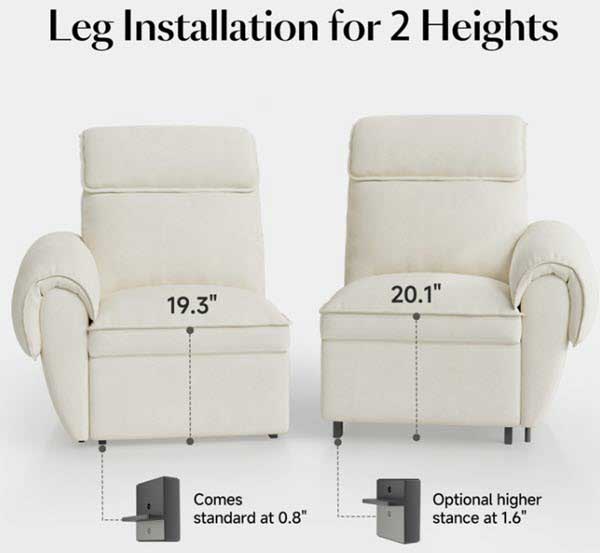
- Easy to Move and Transport: Each module is smaller and lighter than a whole couch, making it much easier to carry through doors, hallways, and staircases. This is great for people in apartments or anyone likely to relocate – you won’t need professional movers just to get your sofa in and out.
- Customizable Size: You can add or remove sections to perfectly fit your space and budget. For instance, start with a three-piece sofa and later buy an extra module or ottoman if you move to a bigger place. Conversely, if you have too many pieces for a new space, you can use fewer. It’s a sofa that can grow (or shrink) with you.
- Replaceable Pieces: If one part of the sofa gets damaged or worn out, you can replace just that section instead of throwing away the entire couch. This makes modular sofas cost-effective in the long run and reduces waste. (Try doing that with a one-piece traditional sofa!)
- Fits Awkward or Small Spaces: Because you can configure them as needed, modular sofas excel in challenging rooms. Odd corner in your living room? Make an L-shape to tuck in neatly. Long, narrow space? Line up modules as a straight sofa. Tiny studio? Break the sectional into a loveseat and a separate chair. Modular design handles it all.
- Adapts to Life Changes: Your furniture needs might change with life events – moving in with a partner, having a baby, hosting big family holidays, etc. A modular sofa is ready to adapt: rearrange or expand it when family size grows or reconfigure it to create a play area for kids. It’s a future-proof choice compared to a static sofa.
These benefits make modular sofas incredibly popular for modern living. People in small apartments especially appreciate being able to maximize seating when needed but also keep the space open and airy by changing the layout. Likewise, families love that the sofa can be reworked for different activities (movie night vs. kids’ playdate). Essentially, a modular sofa offers freedom to design your space on your own terms.
Drawbacks to Consider
Despite all the great features, there are a few drawbacks to modular sofas you should keep in mind:
- Higher Upfront Cost: Modular sectionals can be a bit more expensive initially than a comparable traditional sofa or fixed sectional. You’re paying for the flexibility and additional connecting hardware. However, remember that the ability to add on or replace pieces can save money long-term.
- Potential Shifting: If modules are not properly secured, they might slide apart slightly with heavy use. For example, a very energetic flop onto the couch could jostle a section. Quality connectors largely prevent this, but cheaper models might have this issue. (Regular checks to ensure connectors are locked will mitigate shifting.)
- Casual Aesthetic: Modular sofas often have a more relaxed, contemporary look as opposed to the very tailored lines of some traditional sofas. The gaps between modules (even if small) and blocky nature of sections can appear less “neat” or formal. If you prefer a very classic, unified look, this might be a consideration.
- Assembly & Rearrangement Effort: While not difficult, it does take some effort to assemble or reconfigure the sofa. Moving pieces around and locking them in place is work – especially for larger sectionals with many modules. If you dislike any form of DIY furniture assembly or frequently rearranging furniture, this could be a minor hassle.
Note: Most homeowners feel that these downsides are a fair trade-off for the versatility modular sofas provide. The slightly higher cost pays off in longevity and adaptability, and occasional reassembly is a small price for a sofa that can change with your needs. Essentially, the pros outweigh the cons if you value flexibility.
Modular Sofas vs. Traditional Sectional Sofas
It’s easy to confuse modular sofas with regular sectional sofas, since both can come in an L-shape configuration. The key difference is fixed shape vs. flexible shape. A traditional sectional typically comes as two or three pieces designed to be put together one way (say, a left-facing chaise plus a 2-seat sofa to form an L). In contrast, a modular sofa has many interchangeable pieces that can be arranged in multiple ways. Let’s compare them on a few points:
| Feature | Modular Sofas (Custom Sectionals) | Traditional Sectionals (Fixed) |
| Design | Modern, clean-lined modules; various shapes possible (L, U, etc.) | Pre-determined shape (usually L-shaped or a sofa with chaise) |
| Flexibility | Highly adaptable – easy to rearrange or add/remove sections anytime | Limited options – generally stays in the one layout it came in |
| Portability | Lighter, easier to move by pieces; great for transporting or moving house | Heavy and bulky as large pieces; harder to maneuver through doors |
| Seating Capacity | Expandable – you can attach more modules to increase seats as needed | Comes with a set number of seats; you’re stuck with that capacity |
| Cost | Typically higher upfront cost due to extra engineering and customizability | Often lower initial cost since it’s a one-set design (less flexibility) |
| Assembly | Requires initial assembly and effort to reconfigure when changing layouts | Minimal assembly – set it up once; no rearranging (but also no flexibility) |
Both types have their place. Modular sofas shine in urban living and for anyone who prizes versatility – they fit in small rooms and can be tailored to any floor plan. Traditional sectionals might appeal if you have a dedicated large living room and simply want a big, comfy sofa without plans to ever change its shape. Consider your priorities: if you foresee changes or love redecorating, modular is likely worth it. If you’re fairly set on one arrangement and want to save a bit of money, a standard sectional could do the job.
(Many city dwellers opt for modular sofas since they can get them up narrow staircases and later resize them for a new apartment. In contrast, a one-piece sectional is often chosen for spacious family homes where it can stay in the same spot for years.)
Use Cases for Modular Sofas
Who stands to benefit the most from a modular sofa? The short answer: almost everyone, but especially people whose living situations or preferences demand flexibility. Here are some common use cases and ideal situations where modular sectionals truly excel:
- Growing Families: Families love modular sofas because they can create a cozy gathering spot that evolves as the family grows. For example, you might start with an L-shape for a couple, then add pieces to form a larger U-shape as kids and pets join the household. There’s room for everyone on movie night, and you can reconfigure modules to create play areas or to supervise kids easily.
- Small-Space Dwellers: If you live in a small apartment, studio, or have a tricky living room layout, a modular sofa is your friend. You can customize the configuration to perfectly fit your floor plan – even if that means an unconventional arrangement. Need to save space? Use just two modules as a loveseat and place other sections elsewhere, or tuck an ottoman under a window. As a bonus, each piece can be moved individually, so even the tiniest 5th-floor walk-up can accommodate a modular sofa (when a regular couch might not make it up the stairs!).
- Pet Owners & Parents: Households with pets or young children appreciate the durability and easy-care design of modular sofas. Choose stain-resistant fabric and you won’t worry about spills or muddy paws. If one cushion gets damaged, you can replace that cover or section. Additionally, modular layouts can be adjusted to create safe spaces – e.g., detach a corner piece to use as a kid’s reading nook, or reattach it when you need a closed corner to keep toddlers from wandering behind the sofa.
- Renters & Frequent Movers: If you tend to move from place to place (or you’re in a temporary rental now but plan to upgrade later), a modular sofa provides insurance against the unknown. Today it might be configured for a long, narrow living room; in your next home, you might form two smaller couches out of it to fit a different space. Each section travels easily, so you won’t need to sell your sofa every time you move – just take the modules with you and adapt them to the new home.
- Design Enthusiasts: For those who love interior design and rearranging furniture, modular sofas are a dream come true. You can refresh the look of your room without buying new furniture – simply shuffle the modules or swap out a cover color for a seasonal change. Want a new accent color? Get an extra set of cushion covers. Tired of the layout? Try a brand-new configuration for an instant living room makeover. It’s a creative person’s couch, providing endless possibilities to experiment with.
- Budget & Eco-Conscious Shoppers: While modular sofas cost more upfront, they can be economical over time. You’re able to replace or upgrade parts gradually. For instance, instead of discarding the whole sofa when the upholstery wears out, just get new covers or one new module. Many modular sofas are built with quality materials meant to last, and some use eco-friendly or recycled materials. If minimizing waste and maximizing lifespan of furniture is important to you, modular is a smart choice.
As you can see, the adaptability of modular sofas makes them suitable for a wide range of scenarios. Whether you’re a renter in a tiny city loft or a homeowner with a spacious family room, a modular design gives you control over your space. It’s furniture that fits you, not just your floor plan.
Insight: Moving to a new place? Modular sofas can make the transition smoother. Each piece is easy to carry, and you won’t have to part with your beloved couch because it “doesn’t fit” – you can simply reconfigure it to suit your new living room.
FAQs About Modular Sofas
### Q1: What makes a modular sofa different from a regular sectional sofa?
A: A modular sofa is made of multiple standalone pieces that you can connect in various ways, whereas a traditional sectional is usually a fixed set of pieces configured one way (often an L-shape) that you don’t reconfigure. In practical terms, modular sofas are rearrangeable – you can add sections, swap the chaise to the other side, or break it into smaller sofas. A regular sectional stays in the same layout all the time. This means a modular sofa can adapt to any room or need, while a standard sectional is less flexible.
### Q2: Can I assemble a modular sofa myself without professional help?
A: Yes. Modular sofas are designed for easy at-home assembly. They typically come in manageable sections with clear instructions. You won’t need special skills or an advanced toolset – basic tools like an Allen wrench or screwdriver (often provided in the kit) should suffice. Simply follow the assembly guide to latch the pieces together. Most people find they can set up a modular sectional on their own or with one helper, no professional installer required. (Always double-check that connectors click firmly so your sofa is sturdy!)
### Q3: How do the pieces stay together during everyday use?
A: Manufacturers use various connector hardware to keep modular sections tightly joined in daily use. Common methods include metal clips or brackets that clamp modules together at the base, as well as underside hooks or even strong Velcro-style strips between pieces. Some newer models use magnets or locking pins. These solutions ensure that when people sit down or get up, the sofa acts as one unit and doesn’t slide apart. Higher-end modulars might have additional secure latches or an interlocking frame design for extra stability. As long as you’ve properly connected each module during setup, your modular sofa should stay together very solidly under normal use.
### Q4: Are modular sofas a good choice for homes with pets or children?
A: Absolutely – modular sofas can be great in homes with kids and pets. In fact, many are made with family-friendly features in mind. You can opt for durable, scratch-resistant fabrics (like heavy poly-weave or leather alternatives) that stand up to claws and play. Stain-resistant and removable covers mean spills or accidents are less stressful because you can unzip covers and wash them. The sturdy construction and connectors keep the sofa stable even with active use. Some modular sectionals that include recliners have child safety locks to prevent little ones from operating them unattended. And remember, if one part gets really messy or damaged, you can often replace that single module or cover – a much cheaper solution than replacing an entire couch. All in all, modular sofas offer both the resilience and flexibility that busy family households need.
### Q5: What special features can I expect in modern modular sofas?
A: Today’s modular sofas often come loaded with extras for comfort and convenience. Depending on the model, you might find features such as:
- Power Reclining Seats & Headrests: Modules that electronically recline or have adjustable headrests/footrests, blending the sectional with a comfy recliner experience.
- Built-in Storage: Concealed storage compartments under seats or in ottoman modules for stashing blankets, games, or other living room essentials.
- Tech-Friendly Add-ons: Console modules with cup holders, charging USB ports, or outlets are increasingly common, turning your sofa into an entertainment hub.
- High-Quality Materials: Eco-friendly construction (like sustainably sourced wood frames or recycled fabric) and premium foam cushions for longevity. Many brands let you pick your favorite upholstery color and material, so you can customize the look to your taste.
- Modularity Extensions: Some companies offer add-on modules like corner tables, chaise extensions, or even modular sofa beds that integrate with your setup. This means you can upgrade your sofa’s functionality over time.
In summary, modern modular sofas are feature-rich. They’re not just a few pieces of a couch; they’re a configurable comfort system. When shopping, consider which features matter most to you (reclining? washable covers? built-in gadgets?) and look for a modular design that checks those boxes. Chances are, there’s a 2026 model out there that has exactly what you’re looking for.
Conclusion
A modular sofa could be the ultimate solution if you’re seeking layout-friendly comfort that adapts to your life. Instead of being stuck with a one-size-fits-all couch, you get a piece of furniture that you can reshape as your needs (or décor tastes) change. From creating a snug L-shaped reading nook in a small apartment to assembling a huge U-shaped family sectional for the holidays, modular sofas make it possible – all with the same furniture. They bring together modern style, personalized comfort, and the freedom to customize your living space.
In today’s world where flexibility is key, modular sofas stand out as a smart, future-proof choice. They may require a bit more investment upfront, but they pay off by growing with you and lasting through various life stages. Small wonder these sofas are becoming staples for design-conscious homeowners, renters, and small-space dwellers alike.Ready to design your perfect lounge experience? Consider giving a modular sectional a try – you might never go back to a regular couch again. And if you’re looking for the next level of comfort, reclining modular sectionals offer that added luxury of kicking your feet up at the end of the day. Feel free to explore Aliving Home’s collection of reclining sectionals to see how you can mix and match modules for your ideal layout. With the right modular sofa, your living room will not only look stylish and modern, but also become a truly adaptable haven of comfort for years to come. Happy sofa styling!