An older house may have plenty of charm, solid construction, and a layout that still works well decades after it was built. Its electrical system, however, may have been designed for a very different household.
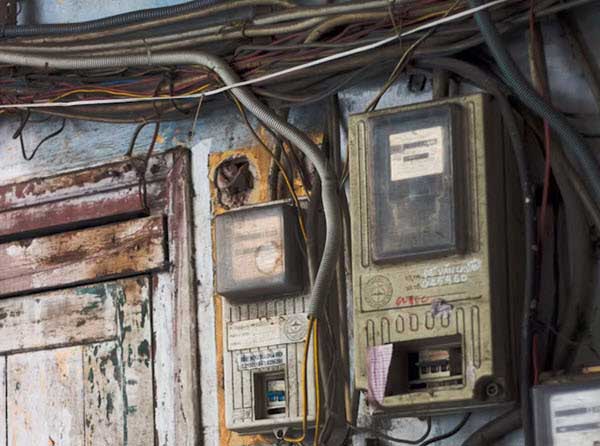
Homes once needed to power relatively simple lighting, kitchen equipment, televisions, and a limited number of appliances. Modern households can add air conditioning, large kitchen appliances, multiple computers, electric heating equipment, hot tubs, workshop tools, home entertainment systems, and electric vehicle chargers to that list.
The problem is not simply that people own more devices. Many newer appliances place larger or more continuous demands on electrical systems that may have had only limited upgrades since the house was built.
Older Electrical Systems Were Built Around Different Habits
Electrical demand has changed considerably as homes have gained more appliances and technology.
A room that once needed one lamp and a radio may now contain a television, gaming equipment, chargers, speakers, computers, and other electronics. Kitchens have also changed, with microwaves, dishwashers, coffee machines, countertop appliances, and larger refrigeration equipment competing for power.
Older homes were not designed with all of these uses in mind.
That does not automatically make an older electrical system unsafe or unusable. It does mean homeowners should understand what the existing system was designed to support before adding more high-demand equipment.
The Electrical Panel Has a Limited Capacity
The service panel distributes electricity through the different circuits in a home. Every panel has limits related to its capacity, configuration, and available circuit space.
As electrical demands increase, an older panel may become less suitable for the household’s needs.
Frequent Breaker Trips Deserve Attention
A breaker can trip because a circuit is overloaded or because another electrical problem exists. An occasional trip caused by a known temporary situation is different from breakers that repeatedly shut off during ordinary household use.
Repeated trips should not simply be treated as an inconvenience.
They may indicate that several devices are sharing a circuit that was not intended to carry their combined load, or they may point to another issue that needs investigation.
Modern Kitchens Can Place Heavy Demands on Old Circuits
Kitchen renovations often reveal the difference between older electrical layouts and modern expectations.
Today’s kitchens may contain several fixed appliances along with portable countertop equipment. Homeowners may also want more receptacles because food preparation now involves numerous powered devices.
Adding new cabinetry and appliances without reviewing the electrical layout can leave the finished kitchen dependent on circuits that were arranged for a much simpler space.
Planning electrical work alongside the kitchen design gives homeowners a chance to consider appliance locations, receptacles, lighting, and circuit needs before walls and finishes are completed.
Home Offices Have Changed Residential Power Use
Working from home can turn an ordinary bedroom or spare room into a space that operates for eight or more hours each day.
Computers, multiple monitors, printers, networking equipment, chargers, lighting, and climate-control devices may all be used at the same time.
Older rooms may have relatively few receptacles, which can lead homeowners to rely heavily on extension cords or power strips.
Rather than assuming more plug-in adapters solve the problem, it makes sense to consider whether the room’s electrical layout suits its new purpose.
EV Charging Creates a New Type of Household Demand
Electric vehicles have introduced a load that many older houses were never expected to support.
Installing home charging equipment is not only a matter of finding a convenient wall in the garage or beside the driveway. The existing electrical service, panel capacity, circuit arrangement, charger requirements, and distance between the panel and parking location can all affect the project.
LB Electric specifically lists panel upgrades and EV charger installations among its current residential services, reflecting how these two needs can overlap.
Homeowners comparing top electrician services for an EV charging project should expect the existing electrical system to be evaluated rather than assuming a charger can simply be connected to any available circuit.
Hot Tubs and Other Outdoor Features Need Planning Too
Backyard improvements can add significant electrical requirements.
Hot tubs, pools, outdoor kitchens, lighting, pumps, heaters, and powered structures may all need electricity. Some equipment has much greater requirements than ordinary outdoor receptacles.
The electrical plan should therefore be considered before patios, decks, landscaping, or permanent structures make wiring routes difficult to access.
An outdoor project may begin as a landscaping idea, yet the existing electrical system can influence where powered features are practical and what upgrades may be needed.
Renovations Can Expose Outdated Wiring
Opening walls sometimes reveals electrical work that has been hidden for years.
Older wiring methods, previous alterations, crowded electrical boxes, or connections made during past renovations may not be obvious during everyday use.
This is one reason electrical planning should happen early during a major remodel.
If wiring needs to be replaced or new circuits need to be installed, completing that work while walls are already open is usually less disruptive than cutting into newly finished surfaces later.
Do Not Assume Past Renovations Updated Everything
A recently renovated kitchen or bathroom does not necessarily mean the electrical system throughout the house was modernized at the same time.
Previous owners may have updated only the portions required for that particular project.
Before planning another large electrical addition, homeowners should understand which parts of the system were actually changed.
Heating and Cooling Can Increase Electrical Demand
Home comfort systems have also evolved.
Electric heating equipment, heat pumps, air-conditioning systems, and other climate-control devices can add loads that were not part of the home’s original electrical plan.
LB Electric lists electric heating and heat pumps alongside panel and service upgrades, illustrating why larger home systems sometimes need to be considered together.
Before installing new equipment, homeowners should determine whether the existing electrical service can support it along with the appliances and devices already in use.
More Receptacles Do Not Automatically Mean More Capacity
One common misunderstanding is that adding receptacles gives a room more available electricity.
Receptacles are connected to circuits, and those circuits still have limits. Adding several outlets to an existing circuit may improve convenience without increasing how much load that circuit can safely handle.
This distinction matters during renovations.
A useful electrical plan considers both where power is needed and how those locations are supplied. Simply increasing the number of places where devices can be plugged in does not solve an underlying capacity problem.
Warning Signs Should Be Investigated Rather Than Worked Around
Some homeowners gradually adapt to electrical annoyances.
They may know not to run two appliances together because a breaker will trip, avoid a particular receptacle, or reset the same circuit regularly.
Flickering lights, repeated breaker trips, unusual warmth around electrical equipment, damaged receptacles, or persistent power problems deserve investigation rather than becoming part of the household routine. LB Electric also identifies frequent breaker trips and flickering lights as reasons an electrical panel or service may need assessment.
The cause should be identified before deciding what work is necessary.
Plan for the Home You Are Creating
An older electrical system does not need to be replaced simply because of its age. What matters is its condition, configuration, capacity, and ability to support how the home is being used.
That becomes especially important when homeowners add large appliances, renovate kitchens, create home offices, install EV chargers, change heating equipment, or build new outdoor living areas.
Looking at electrical needs before these projects begin can prevent the system from becoming an afterthought. A house may have been built for the routines of another generation, but careful planning can help its electrical system support the way people actually live in it now.