Outdoor lighting contributes to defining the garden space at night. It allows for well-defined pathways, emphasizes certain areas, and brings structure to sociable spaces. Each light has a distinct purpose in this case. This article looks at how different outdoor lights define the garden space.
Wall Lights Define Entrances and Boundaries
Wall lights position light close to entrances, gates, pillars, and outside walls. These are used in Premium garden and outdoor lighting to link the house with the garden. Their position makes faces, steps, handles, and numerals easier to view. And a soft downward beam minimizes glare on seats or windows.
Lanterns add decorative presence, while small sconces snuggle closer to the architecture. Lights pointing up and down show brick, stone, or lumber grain in two directions. A side gate could need one fixture, balancing a pair for order.
Path Lights Add a Soft Rhythm to Paths
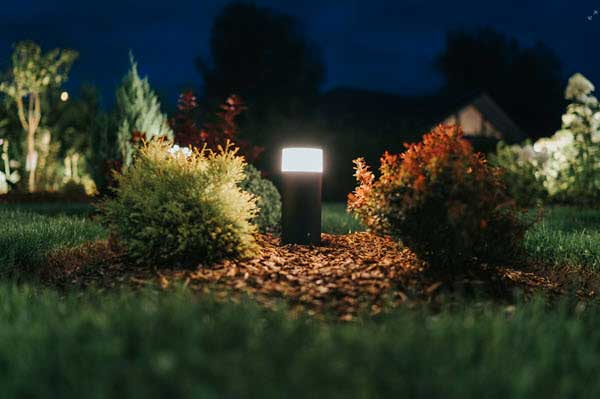
Path lights sit low to the ground and light up asphalt or planted borders. Their low height marks level changes without flooding the entire garden. A shielded top guides the beam downwards and cuts down on glare at eye level.
The route should decide the placement. Curves will need light at the critical points; straight runs may need less. Small pools and rhythm lead the eye to the next point. Close planting can flatten the view and make each meter look as one.
Spotlights Place Features in Focus
Spotlights send a narrow beam toward one chosen subject. They suit tree trunks, sculptures, fountains, walls, and bold plant forms. A beam from below adds height, while a side angle reveals texture. The fixture can remain discreet behind foliage or beside a low border.
Beam width changes the effect more than raw brightness. A tight beam isolates one feature, while a wider beam shows nearby context. Two crossed beams can soften deep shadows on a sculpture without erasing shape.
Well Lights Add Height From Below
Well lights sit within the ground and remain subtle through the day. Their upward beam can accent columns, mature trees, arches, and tall grasses. Light from ground level draws attention to height and vertical form.
The Best Places for Well Lights
These fixtures suit areas where an exposed unit would interrupt the view. They can sit in gravel, soil, or paving when rated for that site. Drainage, heat, and service access deserve thought before installation. A qualified service provider can assess such details without dictating the garden style.
Step Lights Clarify Every Level
Step lights fit into walls, risers, or nearby surfaces and wash each tread. They define depth, edges, and height changes that shadows might hide. Recessed models stay quiet, while surface fixtures add a small architectural accent. The beam should reach the step without glare toward approaching eyes.
Useful placements include:
- Stair risers beside terraces or decks
- Low walls next to garden steps
- Level changes near gates
- Raised beds beside narrow routes
- Edges around sunken seats
Pendant and Ceiling Lights Define Social Zones
Pendants and ceiling lights suit covered patios, porches, pergolas, and exterior tables. They place light above seats or tables and create a clear centre. A pendant adds visual weight beneath a tall roof. A flush fixture suits a low ceiling and keeps the view open.
The shade and diffuser decide how far the light spreads. An open base sends more light toward a table. Frosted glass creates a softer glow around the space. Premium garden and outdoor lighting may pair overhead light with subtle wall or path fixtures for depth.
Outdoor light works best when each fixture has a precise role. Wall lights define arrival, while path and step lights clarify movement. Focused beams reveal key features, and overhead fixtures give patios a clear centre. Choosing high-grade fixtures from reputable designer lighting brands may also support better build quality, refined finishes, and a more consistent look across the garden
FAQs
1. What factors do I need to take into account when choosing combinations of fixtures for my garden?
Plan out your zones, using wall lights for the entryway, path or step lights for guidance through the garden, and spotlights, well lights, or bollards for feature or open-area highlighting. A layered approach works better than uniform lighting.
2. What distinguishes quality outdoor lighting from other fixtures?
Quality outdoor fixtures have tougher builds, better finishes that resist weathering, fading, and corrosion, and better proportions that make them look like part of the house architecture.
3. Does color temperature play any role for outdoor fixtures?
Yes, light at 2700K-3000K is best for garden use, as it looks great with the natural building materials such as wood, brick, stone, etc. Cooler and more blue-like light might appear too clinical and won’t match the planting.
4. Can well lights and other outdoor fixtures be buried in soil or gravel?
Sure, but only if the fixtures have such a specific rating with good drainage, cooling, and servicing possibilities. Better to check with an electrician on this point.