Homeowners cultivating butterfly habitats are replacing indiscriminate yard sprays with targeted exterior barriers that keep structural pests out safely.
Cultivating a thriving sanctuary for monarchs and swallowtails often leaves you facing a frustrating dilemma. Refusing conventional bug treatments protects your delicate caterpillars, but leaving your foundation completely vulnerable invites ants, spiders, and roaches seeking indoor shelter.
Your living space requires defense against invading insects just as much as your milkweed patch needs protection from chemical exposure. A modern, localized approach to exterior defense bridges this gap beautifully by addressing pests right at the threshold.
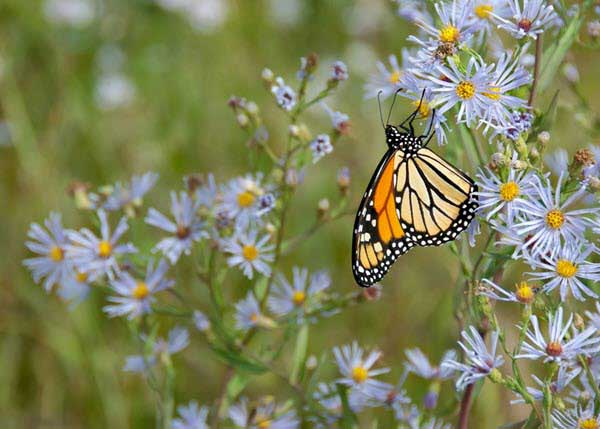
Why Do Broadcast Sprays Threaten Butterfly Habitats?
Traditional lawn treatments blanket entire properties in chemical layers meant to eradicate all crawling insects. These non-selective mists settle on host plants, nectar flowers, and soil beds where beneficial larvae feed and grow. A single wide-area application can wipe out weeks of careful habitat cultivation in a matter of minutes.
Pollinator species react poorly to these sweeping treatments because their bodies absorb residues left on leaves and petals. Treating an entire yard treats every organism within that boundary as a potential threat.
Restricting treatments to specific architectural vulnerability zones keeps the broader yard chemical-free. Your garden remains a safe haven for local wildlife while you secure the perimeter of your actual house.
The Hidden Costs of Unprotected Home Foundations
Ignoring exterior home maintenance out of fear for your garden invites aggressive seasonal invasions. Sugar ants, centipedes, and wolf spiders constantly map the perimeter of your house, looking for microscopic entry points.
Allowing these populations to multiply against your siding guarantees they will eventually find their way into your kitchen or basement. Leaving structural gaps unchecked forces you into a reactive, indoor battle once the pests establish large colonies behind your drywall. Dealing with indoor infestations often requires more invasive measures than simply blocking them on the outside.
How Do Targeted Barriers Protect Pollinators and Homes?
Shifting away from blanket yard sprays involves focusing exclusively on the architectural shell of your house. Specialized perimeter treatments establish a tight, localized ring of defense directly against your concrete foundation. Providers like Sequoia Pest Solutions utilize precision exterior barriers that intercept structural pests before they breach your walls. Isolating the treatment to the exact line where your house meets the soil leaves the rest of your property completely undisturbed.
Creating this distinct boundary gives you peace of mind indoors and outdoors. Your kitchen stays clear of wandering scavengers without risking the hungry caterpillars feeding on your nearby fennel and parsley plants.
Precision Tactics for Crack-and-Crevice Defense
Applying products strictly into structural gaps keeps treatments away from open air and vegetation. Technicians inject materials directly into weep holes, window frames, and siding joints where pests hide and breed.
The National Pesticide Information Center notes that minimizing chemical drift requires placing treatments as close to the intended target insect as possible. Confining the product to narrow architectural crevices eliminates the chance of the wind carrying droplets onto your nearby flower beds.
This localized strategy deals with nesting spiders and roaches at their exact point of entry. You stop the infestation dead in its tracks without altering the ecology of your backyard ecosystem.
What Steps Create Safe Habitat Zones in Your Yard?
Planning the physical layout of your landscaping makes precision pest defense much easier to execute. Keeping nectar and host plants pushed back from your siding creates a clean buffer zone around your home.
Establishing distinct landscape zones guarantees technicians can treat your foundation without brushing against delicate butterfly habitats.
- Maintain structural buffers: Leave a two-foot gap of plain gravel or dirt between your house foundation and your nearest flower beds.
- Relocate host plants: Move milkweed and dill away from windows and doors to keep caterpillars out of the primary pest defense perimeter.
- Manage moisture sources: Direct gutter downspouts away from the foundation to discourage ants from nesting near the treatment zone.
Clear spacing dictates exactly where bug treatments start and end.
Timing Applications to Keep Caterpillars Safe
Environmental conditions play a massive role in how safely you can manage structural barriers. Applying treatments during cooler weather windows takes advantage of basic insect biology.
According to the University of Illinois Extension, pollinators lack the ability to move their flight muscles when temperatures drop below 55 degrees Fahrenheit, making cold-weather applications much less likely to expose them to treatments. Scheduling your foundation defense during early spring mornings or late autumn days keeps active butterflies entirely out of the equation.
Your service provider can work within these specific weather windows to further reduce any incidental risks to native species.
Sustaining a Pest-Free Kitchen alongside a Thriving Garden
Balancing an environmentally friendly yard with a clean household simply requires better strategy and exact execution. Moving away from the old spray-everything mindset puts you in total control of your property’s various micro-environments.
Your home acts as a sterile fortress against invading bugs, while your extended yard functions as an undisturbed wildlife preserve. Planning your landscape carefully makes managing this dual-purpose property entirely possible.
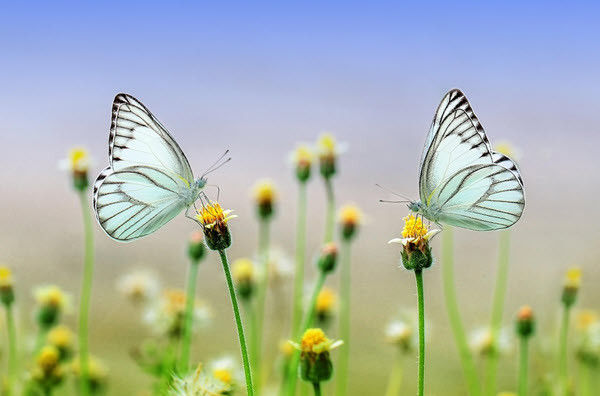
You no longer have to compromise between maintaining a clean kitchen and nurturing a flourishing pollinator sanctuary. Embracing thoughtful, localized barrier methods keeps your household secure while allowing your backyard ecosystem to thrive safely. Smart planning and pinpoint execution give you the best of both worlds without risking the delicate species you work so hard to protect.