A pollinator-friendly garden is a balancing act. You want to attract bees, butterflies, and other beneficial insects while keeping destructive pests from taking over your plants. The challenge is that many pest control instincts, like reaching for a spray or treating the whole bed at once, work against the very insects you’re trying to protect. Aphids, beetles, ants, and wasps will inevitably show up in a garden full of blooms, but that doesn’t mean your pollinators have to suffer the consequences of how you respond.
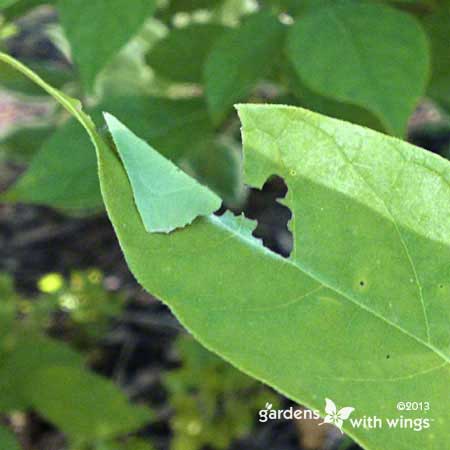
The good news is that pest management and pollinator conservation aren’t mutually exclusive. With careful observation and a more measured approach, gardeners can address real problems without collapsing the ecosystem they’ve worked to build.
Watching Before Acting: Why Monitoring Comes First
Before treating anything, take time to actually watch what’s happening in your garden. Not every insect you see is a threat, and not every chewed leaf signals an infestation. Aphids clustered on new growth, for example, often attract ladybugs and lacewings within days, natural predators that can resolve the problem without any intervention from you.
Walk your garden a few times a week, checking the undersides of leaves, stems, and flower buds. Note which plants are affected, how widespread the damage is, and whether beneficial insects are already responding. This kind of routine observation, sometimes called scouting in agricultural pest management, is the foundation of integrated pest management (IPM), a strategy widely endorsed by extension services and entomologists for balancing garden health with ecological impact. Acting too quickly, before you understand the scope of the issue, often does more harm than the pest itself.
Correct Identification Matters More Than Speed
One of the most common mistakes gardeners make is misidentifying a pest and treating it incorrectly. Wasps, for instance, are frequently lumped in with “bad bugs,” yet many species are important predators that keep caterpillar and aphid populations in check. Similarly, certain beetles are harmless or even beneficial, while others, like Japanese beetles, can strip foliage quickly if left unaddressed.
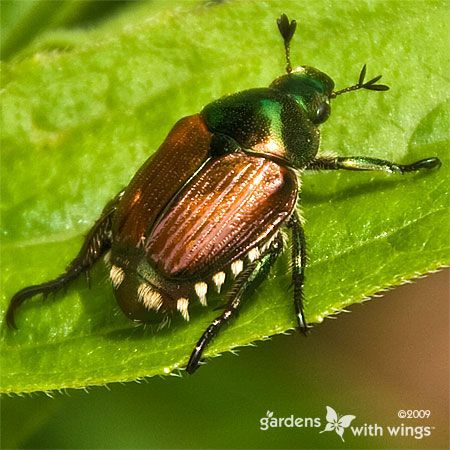
Take the time to identify the exact species before deciding on a response. Local extension offices, garden centers, and online identification tools can help confirm what you’re dealing with. This step matters because a treatment appropriate for one pest may be completely ineffective, or unnecessarily harsh, for another. When infestations are severe or difficult to pin down, homeowners sometimes turn to Brandley Pest Control in Mustang for accurate identification and a more targeted response, rather than guessing and risking damage to the surrounding pollinator habitat.
Reducing Conditions That Invite Pests
Many common garden pests are drawn to specific conditions, and adjusting those conditions is often more effective, and safer for pollinators, than any spray. Excess moisture is a major culprit. Standing water, overwatered soil, and poor drainage create ideal breeding grounds for ants, fungus gnats, and certain beetle larvae.
A few practical adjustments can make a noticeable difference:
- Water at the base of plants in the morning rather than overhead in the evening, which reduces prolonged leaf moisture.
- Improve soil drainage in low-lying beds to prevent water from pooling.
- Clear away fallen fruit, decaying leaves, and other organic debris that attract pests without harming visiting pollinators.
- Space plants appropriately to improve airflow and reduce humidity around foliage.
These changes address root causes rather than symptoms, and they rarely disturb the bees and butterflies working nearby. Removing heavily damaged or infested plant material is another useful step. Cutting away compromised leaves or stems limits a pest’s food source and can slow an outbreak before it spreads to healthy growth. This is far more selective than treating an entire bed, and it leaves flowering areas untouched. For gardeners who consult Pest Control professionals about a widespread outbreak, this kind of localized removal is often recommended as a first step before any product is even considered.
Choosing Targeted Methods Over Broad Treatments
When intervention is necessary, precision matters. Broad spectrum insecticides don’t discriminate. They affect the aphids you’re targeting just as readily as the bees pollinating the flowers a few feet away. Research from the Xerces Society and various university entomology departments has consistently shown that even organic labeled sprays can harm pollinators if applied without care around active blooms.
Instead, focus on targeted methods:
- Handpicking larger pests like beetles works well for small infestations and causes zero collateral damage.
- Insecticidal soap or horticultural oil, applied directly to affected areas in the early morning or evening when pollinators are least active, limits exposure to non-target insects.
- Introducing or encouraging natural predators, such as ladybugs for aphids and parasitic wasps for caterpillars, shifts control back toward the ecosystem itself.
Timing and placement are just as important as the method chosen. Spraying midday, when bees are actively foraging, is one of the most common and avoidable mistakes gardeners make.
Protecting Flowering Areas During Treatment
Flowers are where pollinators spend most of their time, so they deserve extra caution regardless of which control method you choose. If treatment is unavoidable near blooming plants, cover flowers temporarily or treat only the specific pest affected stems rather than the entire plant. Avoid systemic products on flowering plants altogether, since these can be taken up into pollen and nectar, exposing bees long after the application.
Whenever possible, treat pests before flowering begins or after blooms have faded. This single timing adjustment, shifting treatment outside the flowering window, preserves nearly all of the pollinator benefit while still addressing the pest problem effectively.
Final Analysis
Managing pests in a pollinator-friendly garden isn’t about avoiding action altogether. It’s about acting with precision. Correct identification, consistent monitoring, and moisture control solve most problems before they escalate, and targeted treatments handle the rest without collateral damage to bees, butterflies, and other beneficial insects. Severe infestations sometimes require expertise beyond what a home gardener can manage alone, and that’s a reasonable point to seek professional guidance. With patience and the right approach, it’s entirely possible to keep pests in check while still giving pollinators the healthy, thriving habitat they need.