A roof replacement estimate should do more than show a total price at the bottom of the page. It should give a homeowner a clear picture of what work is being proposed, which materials will be used, what may change once the old roof is removed, and what responsibilities belong to the contractor and homeowner.
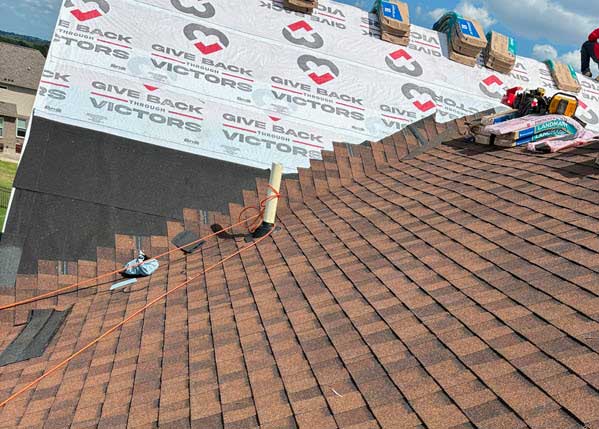
Two estimates with similar prices may cover very different scopes of work. One may include removal, flashing replacement, ventilation work, debris disposal, and cleanup, while another may treat some of those items separately.
Reading the details before signing can prevent confusion once materials arrive and the existing roof starts coming off.
Make Sure the Existing Roof Has Been Evaluated
An estimate is more useful when it reflects the actual condition and layout of the house rather than only a general price based on square footage.
The roof may contain valleys, multiple levels, chimneys, skylights, vents, steep sections, or other details that affect the work. Existing damage may also influence what can reasonably be determined before tear-off.
Ask what was inspected and what assumptions were used to prepare the estimate.
Understand Why Replacement Is Being Recommended
If the project began because of a leak or damaged section, ask why full replacement is being proposed instead of a repair.
The answer may involve the extent of damage, the condition of surrounding materials, repeated problems, or the overall state of the roof.
A homeowner should understand the reason for the proposed scope before comparing prices.
Look for a Clear Tear-Off Scope
The estimate should explain what happens to the existing roofing material.
Will the old roof covering be removed? Are multiple existing layers involved? How will discarded roofing and other debris be handled?
Removal matters because it gives the crew access to areas beneath the visible roof covering.
Homeowners comparing Roof replacement services should pay attention to whether tear-off and disposal are included in the quoted amount rather than assuming every proposal handles them the same way.
Ask How Hidden Decking Damage Will Be Handled
Some roof conditions cannot be fully evaluated until the old materials are removed.
The decking beneath the roof covering may have damaged or deteriorated sections that need attention before the new system is installed. Because these areas are hidden during the estimate, the contractor may not be able to provide an exact repair quantity in advance.
The estimate should explain how unexpected decking work will be priced.
Look for a Method, Not a Guess
An estimate does not need to predict every hidden problem. It should make clear what happens if one is found.
Ask whether decking replacement is included up to a certain amount, charged separately, or priced according to the quantity required.
Knowing that process beforehand reduces the chance of an unexpected cost becoming a dispute during installation.
Identify the Roofing Materials Being Proposed
A description such as “new shingles” leaves many unanswered questions.
The estimate should identify the type of roofing material being installed and provide enough detail for the homeowner to understand what is included.
The main roof covering is only part of the material list. Depending on the project, the roof may also involve underlayment, flashing, ventilation components, edge materials, fasteners, and accessories.
Clear product descriptions make it easier to compare proposals on more than price.
Check the Flashing Scope
Flashing is used around many roof transitions, including areas where the roof meets walls, chimneys, vents, and other features.
An estimate should explain how existing flashing will be handled where it is relevant to the project.
Will certain flashing be replaced? Are some components being reused after inspection? Are special roof details included in the quoted work?
These questions are worth settling before installation because flashing details can affect both labour and material requirements.
Find Out What Happens With Roof Ventilation
Roof replacement can involve existing ventilation components, and the estimate should indicate whether ventilation work is part of the project.

Ask whether current vents will remain, be replaced, or be modified.
If the contractor recommends changes, the reason should be clear. Ventilation should be considered as part of the roof assembly rather than treated as a decorative accessory added after the shingles are selected.
Review Work Around Chimneys, Skylights, and Other Penetrations
Roof penetrations create additional work because the roofing system has to fit around them.
If the house has skylights, chimneys, plumbing vents, exhaust vents, antennas, or other roof-mounted equipment, make sure the estimate addresses relevant items.
Do not assume the roofing crew will remove, replace, reconnect, or modify every roof-mounted feature unless the scope says so.
Some equipment may require another specialist, making coordination an important part of the schedule.
Ask What Cleanup Includes
Roof replacement creates old shingles, fasteners, packaging, scraps, and general construction debris.
A proposal should explain whether hauling and job-site cleanup are included.
It is also worth asking how the property will be handled during the project. Roofing debris can fall near driveways, walkways, planting areas, decks, and other spaces around the house.
Understanding the cleanup process gives homeowners a clearer expectation of what the property should look like once the project is finished.
Look for a Realistic Project Timeline
The estimate or accompanying proposal should provide some guidance about scheduling.
The exact duration can depend on roof size, complexity, hidden conditions, material availability, and weather. For that reason, a responsible timeline may include variables rather than promising an exact completion moment regardless of circumstances.
Ask when materials are expected, when work may begin, and what could cause the schedule to change.
Clarify What Happens if Weather Interrupts the Work
Roofing work can expose parts of the house during removal, so homeowners should understand how changing conditions are handled.
Ask how the crew plans the amount of roofing opened at one time and what happens if weather forces work to stop.
This is a practical question about project management, not merely scheduling.
Understand Payment Terms Before Work Starts
The estimate should clearly state the proposed price and payment structure.
Look for information about deposits, progress payments if applicable, final payment, and how approved changes to the scope will be documented.
Avoid relying on verbal conversations for major cost changes.
If unexpected work becomes necessary, homeowners should know how they will be informed and how the additional amount will be approved.
Compare Scope Before Comparing Price
The lowest number is difficult to evaluate if the proposals do not include the same work.
One estimate may include tear-off, disposal, flashing work, ventilation components, and cleanup. Another may quote only the most visible portion of the installation.
Create a simple comparison using the same categories for every estimate: removal, materials, decking allowances, flashing, ventilation, penetrations, cleanup, timeline, and payment terms.
This often reveals why prices differ.
Read the Estimate as a Project Plan
A good roof replacement estimate should reduce uncertainty before construction begins.
Homeowners should be able to tell what will be removed, what will be installed, how hidden damage is handled, which roof details are included, how debris will be managed, and what can change the final cost or schedule.
Questions raised before signing are easier to resolve than disagreements that appear after the old roof has already been removed. Taking time to understand the scope gives both the homeowner and contractor a clearer set of expectations for the work ahead.