Roofing delays are not always caused by weather or difficult installation conditions. Sometimes the problem begins much earlier, with an incomplete material list, inaccurate quantities, missing accessories, or a delivery that does not match the crew’s schedule.
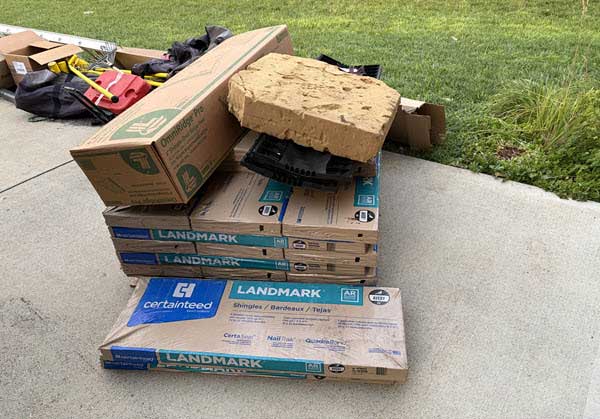
A roofing project requires more than the main surface material. Underlayment, flashing, ventilation components, fasteners, edge materials, sealants, and other products may all be needed before specific sections can be completed.
Planning those materials before work starts can keep crews moving, reduce unnecessary leftovers, and limit the need to make rushed substitutions halfway through the job.
Build the Order From the Actual Roof
Material planning should begin with the roof being worked on rather than a standard shopping list.
A simple roof with two broad slopes will have different requirements from one containing several valleys, chimneys, walls, vents, skylights, or intersecting sections.
These details influence both material quantities and the accessories required.
Map the Complicated Areas First
Open roof areas are usually easier to estimate. Transitions deserve more attention because they may require flashing, additional underlayment, ventilation components, or other details.
Identifying those areas before ordering reduces the chance of discovering a missing component after installation is already underway.
Measure for More Than Surface Area
Knowing the roof area is important, but it does not provide the entire material list.
Roof geometry affects how materials are cut and installed. Valleys, hips, ridges, edges, and unusual shapes can influence quantities and waste.
Ordering too little creates delays. Ordering far too much ties up money and leaves contractors or property owners dealing with excess material afterward.
Careful estimating aims for enough material to complete the project while allowing reasonably for the actual layout.
Do Not Forget the Supporting Components
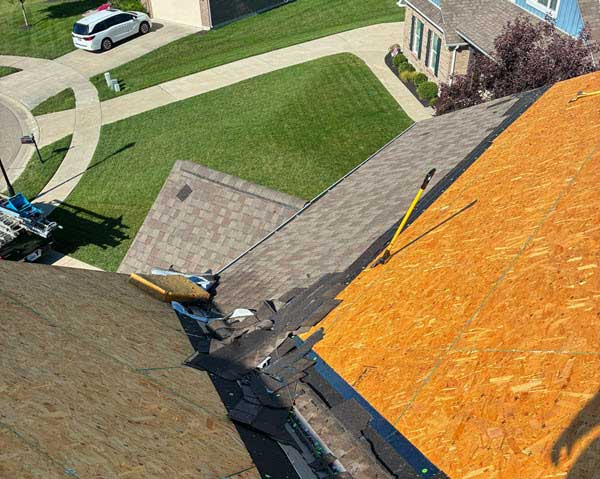
The most visible roofing product often receives most of the attention during ordering.
A crew may have all the shingles or other surface material required and still be unable to continue because a smaller component is missing.
Underlayment, flashing, vents, fasteners, edge materials, sealants, and compatible accessories need to be included in the planning process.
Shunde Roofing Supply currently lists products across categories including asphalt shingles, modified roofing, tile, underlayment, single-ply roofing, ventilation, accessories, lumber, and flashing.
Use a Component Checklist
Breaking the roof into sections can make ordering easier.
Review the open roof surface first, then work through ridges, valleys, penetrations, walls, edges, ventilation points, and drainage-related details.
This method is less likely to overlook a small component than relying on memory alone.
Confirm Compatibility Before Materials Reach the Job Site
Two products may serve similar purposes without necessarily being intended for the same roofing assembly.
Material selection should reflect the primary roof covering, installation requirements, roof design, and other components already specified for the project.
Last-minute substitutions deserve particular care.
A product that happens to be available is not automatically a suitable replacement for the item originally planned.
Resolving these questions during ordering gives the crew more time to verify what belongs in the system rather than making the decision while work has stopped.
Coordinate Material Availability With the Schedule
Having the correct list does not help much if critical products are unavailable when the crew needs them.
Check availability before setting a schedule that depends on a specific material arriving on a specific day.
For contractors arranging Roofing supply in los angeles, confirming stock and delivery timing before tear-off can reduce the risk of opening sections of a roof only to discover that a needed product is not ready for the job.
Shunde states that it maintains roofing inventory and provides both pickup and delivery options, including rooftop delivery.
Schedule Delivery Around the Work Sequence
Delivering everything at the earliest possible moment is not always the best approach.
Large amounts of roofing material take up space and need to be stored appropriately. On busy sites, early deliveries can interfere with demolition, equipment movement, debris removal, or other trades.

Think about when each material will actually be used.
Plan the Staging Area
Before delivery, decide where materials can be placed without blocking driveways, walkways, waste containers, ladders, or crew access.
The condition of the site also matters. Tight properties, commercial buildings, steep roofs, and occupied homes may each require different delivery arrangements.
Shunde specifically offers rooftop delivery and scheduled job-site material transport, showing why delivery itself can be part of project planning rather than an afterthought.
Inspect Materials When They Arrive
A delivery should be checked before the crew assumes everything needed is on site.
Compare the shipment with the order. Confirm quantities, product types, colors where relevant, and accessory items.
If something is missing or incorrect, discovering it before installation reaches that stage gives more time to resolve the problem.
Materials should also be checked for visible shipping or handling damage.
Using a damaged product simply because it has already reached the roof can create another problem later.
Keep Similar Products Organized
Roofing projects can involve numerous boxes, rolls, bundles, fasteners, and accessories that look similar from a distance.
Organizing materials by type or installation stage can reduce confusion.
This becomes especially useful when several roof sections require different components or when multiple crews are working around the property.
Clear staging also makes it easier to see when stock is becoming low before the final item is used.
Avoid Opening More Material Than Necessary
Waste does not come only from inaccurate estimating.
Products can also become unusable when packages are opened unnecessarily, materials are scattered around the work area, or cuts are made without considering where leftover pieces may be used.
Keeping materials organized and planning cuts carefully can reduce avoidable waste.
The goal is not to eliminate every offcut. Roofing geometry naturally creates some waste. The aim is to avoid creating more through poor handling and disorganized installation.
Plan for Hidden Conditions Without Overordering Everything
Roof work can reveal conditions that were not visible during the initial estimate.
Once old materials are removed, damaged decking or other issues may change what the crew needs.
Material planning should leave room to respond to reasonable discoveries without buying large quantities of every possible product in advance.
One approach is to know where additional commonly needed items can be sourced quickly if conditions change.
Shunde’s service information notes that its staff can review project plans and itemize components when preparing an estimate, which supports this type of project-specific planning.
Communicate Changes Before the Crew Reaches Them
Roofing plans sometimes change after work begins.
If a damaged section requires a different detail or the homeowner approves another product, that information needs to reach the people ordering and installing the materials.
Poor communication can result in duplicate orders, incorrect deliveries, or workers preparing an area for a product that is no longer being used.
Documenting changes keeps the material list aligned with the actual project.
Good Material Planning Keeps Roofing Work Moving
A roofing project depends on having the right products in the right quantities at the right stage of installation.
Accurate measurements establish the starting point. A complete component list prevents small missing items from stopping larger sections of work. Compatibility checks reduce rushed substitutions, while coordinated delivery and organized staging make materials easier for crews to use.
Unexpected conditions can still arise, and no material plan can eliminate every adjustment. Good preparation simply reduces the problems that could have been prevented before installation began.
When the order, delivery, and work sequence support one another, crews can spend more time installing the roof and less time searching for missing materials or changing plans halfway through the job.