
Quick Answer
If you’re noticing small droppings in kitchen cabinets, chewed food packaging, scratching sounds in walls at night, or a faint musky odour, chances are you have a mouse infestation. Mice reproduce rapidly and can cause structural damage, contaminate food, and pose health risks. Ignoring early warning signs often leads to a much larger problem. While DIY methods may offer temporary relief, persistent or widespread activity usually calls for trained intervention to fully eliminate the issue and prevent it from returning.
Introduction
You’ve just spotted something scurry behind the cereal boxes – or maybe you woke up to faint scratching inside the wall beside your bed. That unsettling moment is more common than you think, especially as temperatures drop and mice seek warmth indoors. These small rodents are not just a nuisance; they can compromise your home’s safety and your family’s well-being in ways that aren’t immediately obvious.
Many homeowners attempt quick fixes, only to realize the problem is deeper than expected. When signs multiply or persist, reaching out to a mouse exterminator Calgary becomes a practical and often necessary step. Trained professionals can identify hidden entry points, assess nesting areas, and implement targeted strategies that over-the-counter traps simply can’t match.
The good news? Recognizing the red flags early gives you a significant advantage. In the sections below, we’ll walk through the clearest indicators that it’s time to seek expert help – and what you can do afterward to keep your home protected for the long term.
Top Signs You Need a Mouse Exterminator
Mice are masters of staying hidden – often living in your walls, attic, or basement for weeks before you catch a single glimpse. But even the stealthiest infestation leaves behind clues. Recognizing these signs early can prevent costly damage and protect your family’s health. Here’s what to watch for.
1. Droppings in High-Traffic Areas
Mice droppings are small (about the size of a grain of rice), dark, and pointed at both ends. You’ll often find them near food sources – inside pantries, under sinks, behind appliances, or along baseboards. A single mouse can leave 50–75 droppings per day, so even a few sightings suggest more are lurking.
2. Gnaw Marks on Food Packaging or Structural Materials
Mice must constantly chew to keep their teeth from overgrowing. This leads to telltale teeth marks on cardboard boxes, plastic containers, wooden beams, or even electrical wires. Damaged wiring isn’t just a repair issue – it’s a fire hazard. If you notice shredded drywall, insulation, or chewed corners on furniture, it’s unlikely to be wear and tear.
3. Unusual Noises at Night
Mice are nocturnal. If you hear light scratching, scurrying, or soft thumping sounds in walls, ceilings, or behind cabinets – especially between dusk and dawn – it’s rarely just the house settling. These noises often come from nests located in void spaces where humans rarely look.
4. Nesting Materials in Unexpected Places
Mice build nests using soft, insulating materials: shredded paper, fabric scraps, dryer lint, or even bits of insulation. Check behind stored boxes, in unused drawers, or inside wall cavities during renovations. A nest may look like a loosely woven ball about the size of a tennis ball.
5. Grease Marks and Urine Trails
As mice travel the same routes repeatedly, their oily fur leaves behind faint smudges along walls, baseboards, or door frames. These “runways” are often accompanied by a faint ammonia-like odour – especially in enclosed areas like closets or crawl spaces.
6. Visible Sightings During Daylight Hours
While rodents prefer darkness, seeing one during the day is a red flag. It often means the nest is overcrowded or food sources are depleted, forcing them to take greater risks. This behaviour typically signals an established infestation.
How to Assess the Severity of an Infestation
| Sign | Likely Infestation Level |
| 1–5 droppings, no other signs | Early stage – act quickly |
| Multiple droppings + gnawing | Moderate – professional help advised |
| Nests, strong odour, daytime sightings | Advanced – requires expert intervention |
Ignoring these indicators can lead to rapid population growth. Remember: one female can produce up to 60 offspring in a year. At that rate, a minor issue becomes a full-blown invasion before you know it.
If you’re starting to suspect more than just a stray rodent, it might be time to consider pest extermination for mice – not just to remove current occupants, but to seal your home against future ones.
Next Steps After Spotting Mouse Activity
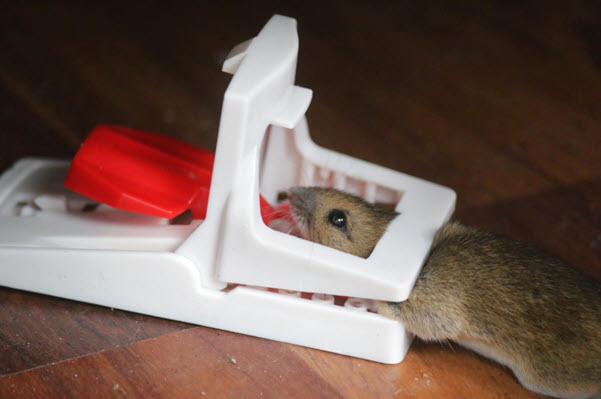
Seeing clear signs of mice doesn’t mean you’ve lost control of your home – it means you’re now in a position to act decisively. The key is moving beyond temporary fixes to address both the current problem and the conditions that invited rodents in the first place. Here’s what informed homeowners typically do next.
Avoid DIY Traps as a Standalone Solution
Snap traps, glue boards, and ultrasonic devices may catch one or two mice, but they rarely stop an infestation. Mice are cautious by nature and quickly learn to avoid unfamiliar objects – a behavior known as “neophobia.” More importantly, these methods don’t seal entry points or eliminate nests, which means new rodents can – and likely will – move in.
Prioritize Sanitation and Food Source Removal
Mice need very little to survive: a crumb, a pet food bowl left out overnight, or an unsealed cereal box can sustain them for days. Start by:
- Storing dry goods in airtight glass or hard plastic containers
- Cleaning up spills and crumbs immediately
- Keeping pet food in sealed bins and not leaving bowls out overnight
- Securing garbage bins with tight-fitting lids
Inspect and Seal Entry Points
Mice can squeeze through openings as small as 6 mm – about the width of a pencil. Common entry zones include:
- Gaps around utility lines (cable, plumbing, gas lines)
- Cracks in the foundation or siding
- Spaces beneath doors or garage thresholds
- Vents or attic louvers without mesh covers
Use steel wool, copper mesh, or caulk for small gaps; for larger holes, metal flashing or cement may be necessary. Remember: wood, plastic, and foam insulation won’t stop determined rodents – they’ll simply chew through.
Consider Long-Term Support from Experts
When an infestation is confirmed, many homeowners turn to professional mouse removal experts to ensure thorough elimination and prevention. These specialists don’t just target visible activity – they map nesting zones, identify hidden runways, and implement strategies that address the root causes of re-entry.
Implement Rodent Prevention Tips for Ongoing Protection
Prevention isn’t a one-time task – it’s a maintenance habit. Effective rodent prevention tips include:
- Trimming shrubs and tree branches at least 60 cm away from your roofline
- Storing firewood and building materials at least 30 cm off the ground and away from the house
- Installing door sweeps and repairing damaged screens
- Scheduling seasonal inspections of crawl spaces and attics
If you’re in a region with cold winters – like much of Canada – fall is the ideal time to perform these checks, as rodents begin seeking shelter long before the first snowfall.
For residents exploring options to get rid of mice in Calgary or elsewhere, it’s worth noting that climate and housing style can influence risk – but the principles of exclusion, sanitation, and expert support remain universal.
Final Thoughts: Don’t Wait Until It’s Too Late
Rodents aren’t just uninvited guests – they’re persistent, fast-reproducing, and capable of causing damage that extends far beyond a few chewed boxes. What starts as a single droppings sighting can escalate into compromised wiring, contaminated food, and even health concerns if left unchecked. The good news? You don’t need to navigate this alone.
Taking proactive steps – sealing entry points, managing food sources, and monitoring for early signs – can make a significant difference. But when evidence points to an active infestation, professional insight becomes invaluable. That’s where specialized support, such as Calgary rodent control services or equivalent local expertise elsewhere, ensures not only removal but long-term prevention through inspection, exclusion, and strategic monitoring.