A well-maintained yard does more than boost curb appeal — it plays a direct role in whether pests view your home as an inviting shelter or a place to avoid. Many homeowners focus pest prevention efforts indoors, sealing cracks and setting traps, while overlooking the landscaping choices that either invite insects and rodents closer or keep them at a distance. The truth is that the outdoor environment surrounding a house often determines how much pressure that home faces from ants, termites, mosquitoes, and other unwelcome visitors.
Thoughtful landscaping isn’t about turning your yard into a fortress. It’s about understanding what attracts pests in the first place and making small, consistent adjustments that remove those incentives. When done well, these strategies support healthier plants, better drainage, and a more resilient outdoor space overall.
Choosing Plants That Discourage Rather Than Invite Pests
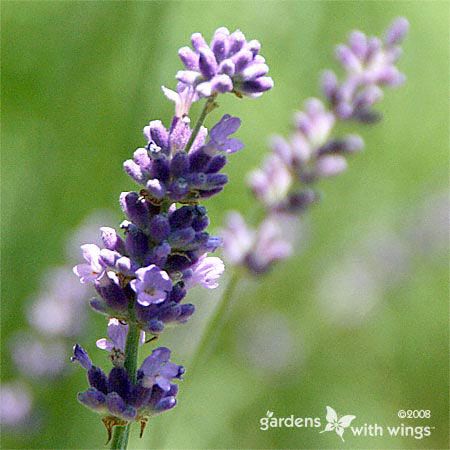
Not all plants are created equal when it comes to pest resistance. Some species, like marigolds, lavender, and rosemary, naturally repel common insects due to their strong scents and essential oils. Others, particularly dense, moisture-retaining ground covers planted too close to the home, can create ideal hiding spots for pests seeking shelter and humidity.
Choosing plant varieties suited to your local climate also reduces stress on vegetation. Stressed or diseased plants are more susceptible to insect infestation, which can then spread toward the house. Selecting native or well-adapted species tends to result in stronger root systems and fewer pest vulnerabilities overall.
Keeping Trees and Shrubs Away From the House
Overgrown branches touching the roof or siding act as bridges for pests such as ants, roaches, and rodents, giving them direct access to the structure. Regular trimming — ideally maintaining a few feet of clearance between vegetation and exterior walls — removes this pathway and also improves airflow, which helps prevent excess moisture buildup against the home.
This is one of the simplest yet most overlooked landscaping habits. A tree limb that seems harmless in spring can become a highway for pests by late summer.
Maintaining a Healthy, Well-Managed Lawn
A dense, properly mowed lawn is naturally less hospitable to pests than one with patchy growth or excessive thatch buildup. Overwatering, in particular, creates damp conditions that attract grubs, chinch bugs, and other lawn-dwelling insects. Aerating compacted soil and mowing at the correct height for your grass type helps maintain a lawn that’s both visually appealing and less attractive to burrowing pests.
Practical Yard Maintenance Habits That Reduce Pest Pressure
Several routine landscaping tasks work together to reduce the conditions pests rely on for food, water, and shelter. These include:
- Keeping mulch several inches away from the foundation, since thick mulch beds retain moisture and can shelter termites and ants
- Storing firewood at least 20 feet from exterior walls, off the ground, and away from direct contact with soil
- Removing leaf litter, fallen branches, and yard debris regularly, as these create nesting sites for insects and small rodents
- Eliminating standing water in birdbaths, clogged drainage areas, or low spots in the yard, since stagnant water is a primary breeding ground for mosquitoes
Each of these habits addresses a different pest vulnerability, but together they significantly reduce the overall attractiveness of a property to unwanted insects.
Managing Moisture Through Irrigation and Drainage
Excess moisture is one of the most consistent factors linked to pest infestations. Termites, cockroaches, ants, and silverfish are all drawn to damp environments, and poor drainage around a home’s foundation can create exactly the conditions these pests thrive in. Overwatering garden beds or lawns near the house — even with good intentions — can inadvertently increase humidity levels close to the structure.
Gutters play an equally important role. When gutters become clogged with leaves and debris, water overflows and pools near the foundation instead of being directed away from the home. Over time, this contributes to soil saturation, wood rot, and conditions that are especially favorable to termites, which are drawn to consistently moist, decaying wood. Cleaning gutters at least twice a year and ensuring downspouts direct water several feet away from the foundation are simple steps that noticeably reduce moisture-related pest risk.
If pest activity continues despite improving drainage and reducing excess moisture, Magic City Pest Control can inspect the property for overlooked moisture sources, entry points, and other conditions that may be contributing to recurring pest problems.
Inspecting Outdoor Structures for Early Warning Signs
Fences, sheds, decks, retaining walls, and garden beds are often the first places pest activity appears, long before it reaches the interior of a home. Wood structures in particular are vulnerable to termites and carpenter ants, especially where wood contacts soil directly. Retaining walls can trap moisture behind them, creating hidden pockets that pests exploit undetected.
Periodic inspections — checking for small holes, sawdust-like debris, sagging wood, or unusual insect activity — allow homeowners to catch problems early. Addressing minor damage to a fence post or shed foundation is far more manageable than dealing with an infestation that has already spread toward the home itself.
When Landscaping Alone Isn’t Enough
Even the most carefully maintained yard can’t guarantee complete pest immunity. Certain species, particularly termites and some ant colonies, can establish themselves in ways that aren’t visible from the surface, regardless of how diligent the landscaping maintenance has been. Environmental factors like regional climate, soil composition, and seasonal insect pressure also play a role that’s largely outside a homeowner’s control.
This is where professional expertise becomes valuable. Experienced local professionals understand the specific pest challenges common, and can offer comprehensive inspections that identify risks a homeowner might miss. Professional treatment doesn’t replace good landscaping habits, it complements them, addressing the pest activity that prevention alone can’t fully control while reinforcing the protective groundwork already established through smart yard maintenance.
Final Analysis
Landscaping decisions carry more weight in pest prevention than many homeowners realize. From plant selection and tree trimming to drainage management and routine debris removal, each choice either strengthens or weakens a property’s natural defenses. Building these habits into regular yard care creates an outdoor space that’s healthier, more attractive, and considerably less inviting to the pests that cause the most trouble. When paired with occasional professional guidance, thoughtful landscaping becomes one of the most practical and effective tools a homeowner has for long-term pest management.