When a houseplant struggles, most people instinctively look at two things: light and water. Is it getting enough sun? Am I overwatering or underwatering? While both are crucial, there’s a third factor that often goes unnoticed — and it quietly determines whether a plant merely survives or truly thrives.
That factor is soil.
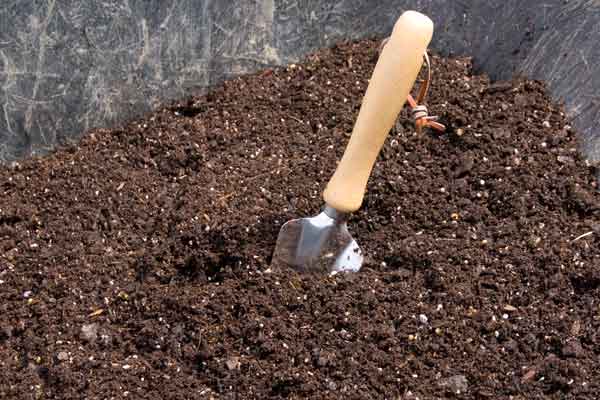
The substrate your plant lives in is more than a place to anchor roots. It’s a dynamic system that controls oxygen flow, moisture balance, nutrient availability, and root health. Even the most carefully watered and well-lit plant can decline if its soil mix isn’t suited to its needs.
Understanding how soil mixes work — and why generic potting soil often falls short — is one of the most impactful upgrades any plant owner can make.
What Houseplant Roots Actually Need
Roots aren’t just passive structures that “sit” in soil. They are living, breathing systems that need a precise balance of conditions to function properly.
At a basic level, healthy roots require:
- Aeration – Roots need oxygen to respire. Compacted or waterlogged soil suffocates them.
- Drainage – Excess water must be able to escape to prevent rot.
- Moisture retention – At the same time, soil should hold enough water between waterings.
- Nutrient access – Roots absorb nutrients dissolved in water within the soil.
- Stability – The substrate should support the plant without compacting over time.
When any of these elements are missing, plants show stress — often in ways that are mistaken for watering or light issues.
Why Generic Potting Soil Often Fails
“All-purpose” potting soil is designed to be cheap, widely usable, and shelf-stable. While it may work short-term, it rarely performs well long-term — especially for modern houseplants.
Common issues with generic mixes include:
- Excessive peat that compacts over time
- Poor airflow once watered repeatedly
- Inconsistent drainage
- Rapid nutrient depletion
- Incompatibility with specific plant families
A cactus planted in moisture-retentive soil may rot even if watered sparingly. An aroid in dense soil may struggle to grow despite perfect light conditions. The issue isn’t care — it’s the substrate.
Breaking Down Common Soil Mix Components
High-quality soil mixes are not random. Each component plays a specific role in creating balance.
Perlite
A lightweight volcanic material that improves aeration and drainage. It prevents soil compaction and helps roots access oxygen — especially important for plants prone to root rot.
Coco Coir
Made from coconut husk fibers, coco coir retains moisture without becoming waterlogged. It’s an excellent alternative to peat and provides a stable structure for roots.
Orchid Bark
Chunky and slow to decompose, bark creates air pockets and mimics the natural environments of many tropical plants that grow on trees rather than in dense soil.
Pumice or Lava Rock
Heavier than perlite, these materials improve drainage while adding weight and stability to the pot.
Compost or Worm Castings
These provide nutrients and beneficial microorganisms, supporting long-term soil health and root development.
The right combination of these ingredients creates a substrate that works with the plant — not against it.
Why One-Size-Fits-All Doesn’t Work
Plants evolved in vastly different environments. Treating them all the same below the soil line ignores that reality.
Examples:
- Aroids (Monstera, Philodendron, Anthurium) prefer airy, chunky mixes that mimic forest floors.
- Succulents and cacti need fast-draining, mineral-heavy substrates.
- Ferns thrive in moisture-retentive but breathable mixes.
- Calatheas and Marantas require consistent moisture without suffocation.
Using the wrong soil forces you to “compensate” with watering habits — often unsuccessfully.
Matching Soil Mixes to Plant Families
Instead of adjusting care endlessly, matching soil to the plant simplifies everything.
Aroid mix: Chunky, well-aerated, with bark, perlite, and coco coir.
- Succulent mix: Gritty, fast-draining, mineral-rich.
- Tropical foliage mix: Balanced moisture retention and airflow.
- Epiphytic plant mix: Bark-forward, loose, and breathable.
Custom or pre-formulated specialty blends remove guesswork and create stable growing conditions from the start.
This is why many plant enthusiasts now look for premium, purpose-built mixes — such as those offered by specialist suppliers like Sybotanica — rather than relying on generic soil and hoping for the best.
Signs Your Soil Mix Is Failing Your Plant
Plants often tell you when the soil is wrong — if you know what to look for.
Warning signs include:
- Soil staying wet for days after watering
- Roots circling tightly or turning brown
- Yellowing leaves despite correct light
- Stunted or slow growth
- Fungus gnats or sour-smelling soil
- Water running straight through without absorption
If multiple care adjustments don’t help, the soil is often the root cause.
When to Amend vs. When to Repot
Not every soil issue requires a full repot.
You can amend soil by:
- Adding perlite to improve aeration
- Mixing in bark for structure
- Top-dressing with worm castings
However, repotting is best when:
- Soil has compacted significantly
- Roots are overcrowded or rotting
- The mix is fundamentally unsuitable
- The plant has outgrown its container
Fresh, well-balanced substrate can revive a struggling plant almost immediately.
Soil as a Long-Term Investment in Plant Health
High-quality soil isn’t just about growth — it’s about resilience. Plants in appropriate substrates:
- Handle missed waterings better
- Resist root diseases more effectively
- Develop stronger root systems
- Show more consistent growth
- Require less intervention overall
In other words, good soil makes plant care easier, not more complicated.
Conclusion: Healthy Plants Start Below the Surface
Light and water get most of the attention, but soil quietly determines whether a plant can actually use them. The right substrate creates the conditions roots need to breathe, absorb nutrients, and grow with confidence.
Moving beyond generic potting soil — and understanding what different components do — transforms houseplant care from guesswork into intention.
When soil is right, everything else becomes simpler.
Because the healthiest plants aren’t just well-watered or well-lit — they’re well-rooted.