When a heatwave hits, your air conditioner becomes the hardest-working appliance in the house, and your garden suddenly needs twice the attention it did in spring. Most homeowners make the mistake of treating these as separate problems, but they are actually two sides of the same coin. A well-cooled home reduces the strain on your energy bill, and a properly hydrated garden creates a cooler microclimate around your property. Getting both right starts with a little planning before the temperature spikes.
Why Heatwaves Hit Your Home and Garden Differently
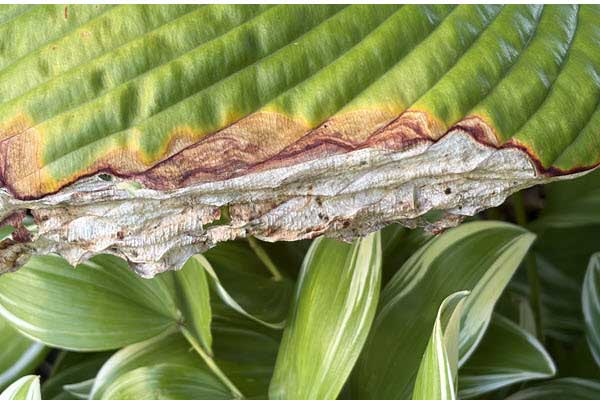
Your house and your plants react to extreme heat on different timelines. Inside, the AC system fights a losing battle if the sun beats down on unshaded windows all afternoon. Outside, the soil loses moisture fast, and delicate leaves start to curl or scorch by midday. The connection between the two is more direct than you might think.
For one thing, a garden with mature trees and shrubs can drop the ambient temperature around your home by several degrees, which means your cooling system doesn’t have to work as hard. For another, the heat your AC system pumps out of your living room gets dumped right into your backyard, raising the temperature near your plants. Understanding that give-and-take lets you make smarter choices about where to plant, what to water, and how to set your thermostat.
How to Get Your AC Ready Before the Peak Hits
You do not want to discover a broken cooling system on the hottest day of the year, because wait times for emergency service can stretch for days during a regional heatwave. A little preventive work in late spring or early summer saves you from that scramble. Start by checking your air filter, because a clogged one restricts airflow and forces the system to run longer. Swap it out if it looks dirty.
Next, clear away any debris, leaves, or overgrown plants from around your outdoor condenser unit. That unit needs at least two feet of clearance on all sides to breathe properly. If you are not comfortable inspecting the refrigerant lines or electrical connections yourself, book a professional tune-up. And here is a specific recommendation: when you need a repair or a full checkup, look for a local company that offers fast diagnostics and same-day service, like AC Repair Turlock, because those quick-response teams understand that a dead AC during a spike is a genuine emergency, not a minor inconvenience.
Beyond the unit itself, think about your thermostat habits. Set it a few degrees higher when you are out of the house, and rely on ceiling fans to circulate air when you are home. The EPA’s heat island resources published data showing that raising your thermostat by just a few degrees can meaningfully cut your cooling costs during peak demand periods. You feel the difference far less than you expect, because fans make the air feel cooler than the thermostat reading suggests.
Shading Strategies That Help Your Home and Your Plants
Here is where the indoor-outdoor connection gets interesting. The sun beating through your west-facing windows raises indoor temperatures dramatically, even with the AC running. The cheapest fix is strategic shading. Plant deciduous trees on the west side of your house, because they provide shade in summer and let sunlight through in winter when their leaves drop. A well-placed tree can shade your roof and walls for decades, and it costs a fraction of what a window replacement or an AC upgrade runs.
For your garden beds, shade cloth is your best friend during a heatwave. Drape it over a simple frame above vulnerable vegetables or newly planted flowers. You want something that blocks around 30 to 50 percent of direct sunlight, because full shade can stunt growth just as badly as scorching sun. And keep the cloth off the leaves themselves, because trapped heat under the fabric can cook the plants you are trying to protect.
Watering Smarter, Not More Often
Most gardeners overwater during a heatwave, which sounds harmless but actually causes problems. Frequent shallow watering encourages roots to stay near the surface, where they dry out fast and get scorched. Deep, infrequent watering pushes roots deeper into the soil, where moisture lasts longer, and temperatures stay cooler. That one habit change transforms how your garden survives a heatwave.
Water in the early morning, before the sun gets intense, so the moisture soaks in rather than evaporating. Consider installing drip irrigation for your flower beds and vegetable patches, because it delivers water directly to the root zone with minimal waste. And add a thick layer of mulch, two to three inches of wood chips or straw, around your plants. Mulch keeps the soil cool, slows evaporation, and suppresses weeds that compete for that precious moisture.

What to Plant in a Hot Climate Garden
If you are planning a new bed or replacing plants that did not survive last summer, choose varieties bred for heat tolerance. Native plants are almost always the safest bet, since they have evolved to handle your local climate extremes. In the Central Valley and other hot inland areas, look for drought-tolerant natives like California poppy, yarrow, and salvias. They need far less water than thirsty annuals, and they support local pollinators better than most imported species.
But heat tolerance is not just about the plant species. It is also about soil health. Soil rich in organic matter holds moisture far better than sandy or compacted soil. Work compost into your beds each spring, and you will notice the difference during the first real heatwave. Healthy soil acts like a sponge, releasing water gradually to plant roots instead of letting it run off or evaporate instantly.
Watching for the Warning Signs
Both your home and your garden send out warning signals before things go truly wrong, if you know what to look for. Inside, listen for unusual noises from your AC system, like grinding or squealing, which often point to worn bearings or a failing motor. Watch for weak airflow from your vents or warm air blowing when the system should be cooling. A sudden spike in your energy bill without a change in your habits is another red flag.
Outside, wilting leaves in the morning are a sign of serious stress, since healthy plants usually perk up overnight. Leaf scorch, which shows up as brown, crispy edges on leaves, indicates that the plant is losing water faster than its roots can replace it. And if the soil is pulling away from the edges of pots or cracking in garden beds, you have let things get too dry. Catching any of these signs early gives you a much better chance of fixing the problem before it becomes permanent damage. The Federal Emergency Management Agency’s heat safety guidance notes that recognizing the early signs of heat stress is crucial, and that principle applies to your plants and your appliances just as much as it does to people.
A Simple Heatwave Action Plan
Let me give you a concrete checklist you can follow when the forecast calls for three or more days above 100 degrees. Print this out and stick it on the fridge.
- Check and replace your AC filter if it is dirty, and clear debris from around the outdoor unit.
- Water your garden deeply in the early morning, before 7 a.m. if possible.
- Add a fresh layer of mulch around vulnerable plants if the existing layer has thinned out.
- Set your thermostat two to three degrees higher than usual and rely on fans for comfort.
- Close blinds and curtains on south and west-facing windows during the afternoon peak.
- Set up shade cloth over young or sensitive plants before the heat hits, not after.
- Check your drip irrigation system for clogs or leaks so water goes where it should.
That last step is more important than you might think. A single clogged emitter starves a plant slowly, and a leak at the hose connection wastes water you will need later in the season. Ten minutes of inspection now saves you from a dead shrub in August.
When the Heat Breaks the System Anyway
Sometimes, despite your best preparation, the AC gives out, or a plant that thrived all spring suddenly collapses. That is not a failure on your part. Home cooling systems under extreme stress fail more often, and the USDA Forest Service research on climate stress shows that plants, like machines, have tipping points beyond which they cannot recover regardless of how well they were maintained beforehand. The difference between a good gardener and a frustrated one is how they respond when things break.
For your AC, call a reputable local service company that can diagnose the root cause rather than just patching the symptom. For your garden, resist the urge to immediately rip out a struggling plant and replace it. Give it a deep soak, add some shade, and wait a few days. Plants are more resilient than they look, and many bounce back from what seems like certain death.
The real lesson from any heatwave is that your home and your garden are not separate projects. They share the same sun, the same water, and the same climate. Treat them as one system, and both will come through the summer in far better shape. So before the next spike hits, take a walk around your property. Look at your AC unit and your flower beds with fresh eyes, and ask yourself what you would regret not fixing if the temperature climbs to 110 tomorrow. Then go fix that one thing.