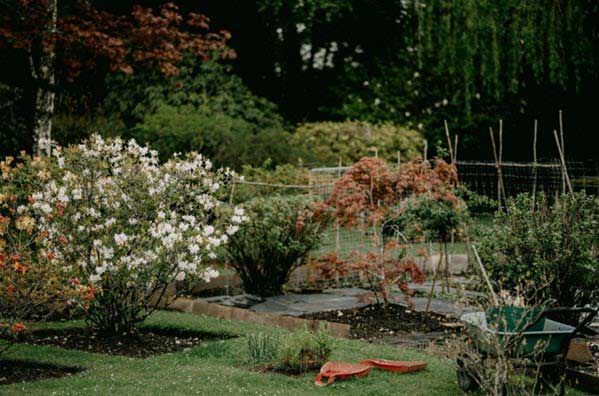
A healthy garden is often judged by what’s visible, lush greenery, strong growth, and balanced soil. But many of the factors that determine long-term plant health exist below the surface. Underground systems, including drainage, soil structure, and hidden infrastructure, play a critical role in how well a garden performs over time.
In Australian conditions, where soil types, rainfall patterns, and temperature shifts vary widely, underground issues can develop gradually and go unnoticed until visible damage appears. Understanding these hidden factors helps homeowners protect their outdoor spaces before problems become difficult to reverse.
The Hidden Connection Between Soil and Drainage
Soil health and drainage are closely linked. When water moves through soil properly, it supports root development, nutrient absorption, and overall plant stability. However, when drainage is disrupted, problems begin to form beneath the surface.
Poor drainage can lead to waterlogged soil, which reduces oxygen levels around roots. Over time, this weakens plants, slows growth, and increases the risk of disease. On the other hand, overly dry soil caused by poor water retention can also stress plants and limit nutrient uptake.
Balancing moisture levels in soil is essential, and that balance often depends on what’s happening underground rather than what’s visible on the surface.
How Underground Pipe Issues Impact Plant Growth
Many gardens are built around hidden plumbing systems, including stormwater drains and sewer lines. When these systems develop issues, such as leaks, cracks, or blockages, they can directly affect the surrounding soil.
Excess moisture from leaking pipes can create overly saturated conditions, while damaged drainage lines may redirect water away from areas that need it. In some cases, plant roots grow toward these moisture sources, which can worsen both the plumbing issue and the health of the plant.
For homeowners dealing with recurring drainage or soil problems, solutions like pipe relining brisbane offer a way to repair underground pipes without disturbing the garden itself, helping restore proper water flow while preserving the landscape.
Recognising Early Signs of Underground Problems
One of the challenges with underground issues is that they develop slowly and often show subtle signs at first. Uneven plant growth, patches of overly wet or dry soil, and unexpected changes in plant health can all indicate underlying problems.
Other signs may include unusual pooling of water after rain, persistent damp areas, or soil that feels compacted and difficult to work with. These symptoms are often dismissed as seasonal changes, but they can point to deeper structural or drainage issues.
Paying attention to these early indicators allows homeowners to take action before the problem spreads across the entire garden.
The Role of Soil Structure and Compaction
Soil structure plays a major role in how water and nutrients move underground. Compacted soil restricts airflow and prevents water from draining properly, creating conditions that stress plant roots.

In high-traffic garden areas or spaces with heavy clay soil, common in many parts of Australia, compaction can develop quickly. This leads to uneven moisture distribution and reduced plant resilience.
Improving soil structure through aeration, organic matter, and proper garden design helps maintain a healthier underground environment, supporting long-term plant growth.
Australian Environmental Factors and Garden Health
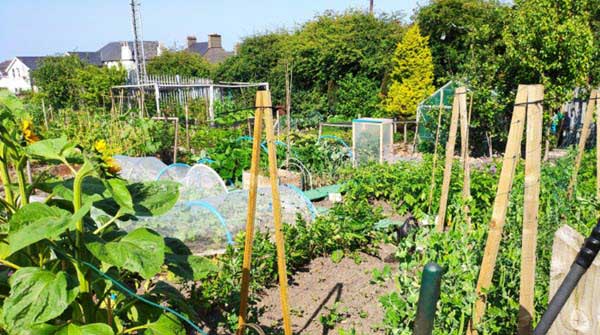
Gardens in Australia are influenced by a wide range of environmental conditions, from heavy rainfall in some regions to extended dry periods in others. These conditions can amplify underground issues, particularly when drainage systems are not functioning correctly.
According to Australian Government Department of Climate Change, Energy, the Environment and Water, managing water flow and soil conditions is essential for maintaining sustainable landscapes, especially in areas affected by climate variability.
This highlights the importance of addressing underground issues early, as environmental factors can quickly turn small problems into larger ones.
Why Early Intervention Prevents Long-Term Damage
Once underground issues begin to affect plant health, they rarely resolve on their own. Water imbalance, root stress, and soil degradation tend to worsen over time if left unaddressed.
Early intervention, whether through improving drainage, adjusting soil conditions, or repairing hidden infrastructure, helps prevent long-term damage that can be difficult and costly to fix.
Taking action at the first signs of trouble not only protects plant health but also preserves the overall structure and usability of the garden.
Creating a Balanced Underground Environment
A healthy garden depends on more than sunlight and surface care, it relies on a stable and balanced underground environment. This includes proper drainage, well-structured soil, and functioning infrastructure that supports natural water movement.
By focusing on what’s happening below the surface, homeowners can create conditions that allow plants to thrive consistently. Small adjustments, combined with awareness of hidden systems, lead to stronger, more resilient gardens.
Over time, this approach ensures that outdoor spaces remain healthy, functional, and visually appealing, without being undermined by issues that can’t be seen at first glance.