If your garden needs an upgrade but you are postponing changes because you fear that the work may be expensive , think again. Plants don’t actually need much to grow and thrive—just a little sunlight, good-quality soil, water, good air circulation, and sufficient growing space. When it comes to cost savings and sustainability, planning truly is everything. The EPA has found that as much as 50% of outdoor water is lost through evaporation, wind, and runoff caused by inefficient irrigation. Smart planning involves assessing the site of your garden, improving growing conditions, managing water efficiently, and finally, making a few practical upgrades.
Assessing Sunlight Before You Invest
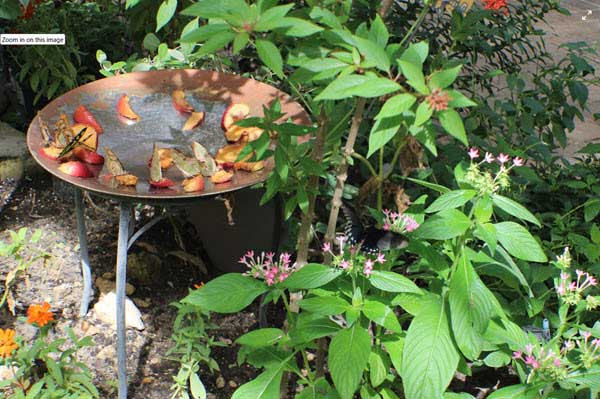
There are two main features to inspect before you start making changes. The first is sunlight. Take time to visit your garden at various times during the day, to study which areas receive full or partial sun and which are shaded. Sunlight patterns allow you to place plants in the right place. Some require at least six hours of direct sunlight, while others do well with considerably less.
Ensuring Your Garden Has Optimal Drainage
The next stage is to inspect your garden for standing water, compacted soil, erosion, and dry spots. Poor drainage can deprive roots of oxygen and encourage root diseases, while excessively sandy soil may drain water too quickly. Observe your garden right after a storm. If water remains for more than a day or appears after light rain, it may indicate compaction, heavy clay, poor grading, a high water table or an obstructed drainage route. Aim to identify where water comes from, where it collects, and whether it flows toward your house, the foundation, the pathway, or other vulnerable areas. Consider whether these issue can be resolved by correcting a gutter or adjusting the slope rather than installing an expensive drainage system.
Making Watering More Efficient
To make watering more efficient, consider factors such as rainfall, temperature, soil type, and plant maturity, as well as local watering restrictions. Aim to water the root zone and opt for deep, less frequent watering because light, daily watering can encourage shallow root systems. If you live in a drought-prone area, consider using rain barrels connected to downspouts to rainfall, temperature and soil type. If you have a large garden and peripheral areas are dry, you may need to take into account the cost of installing an outdoor tap to a second area of your garden, especially if your current system doesn’t cover your entire garden surface.
Defining Your Garden’s Purpose
Ask yourself what you want to grow in your garden—are they vegetables, ornamental plants, pollinators, or simply plants that are easy to grow and maintain? Different types of gardens require different investments. For instance, if you wish to grow vegetables, you may consider gardening in raised beds, which is ergonomic and which can provide greater control over the soil, better drainage, fewer weeds and higher crop density. It is also worth checking your USDA hardiness zone and regional rainfall to pick the best plants for your area. The right plant in the right place requires less water, pruning, and pest control. It also pays to group plants with similar water requirements together, to prevent overwatering. If, like many gardeners, you are keen to support butterflies and other winged insects, read up on their needs. For instance, butterflies thrive on nectar-bearing flowers and milkweed, but not all milkweed species are suitable. As a whole, native plants help support regional wildlife and reduce maintenance needs once they are well-established.
Improving Your Garden’s Foundation
Soil is the foundation of plant growth because it provides plants with physical support, air, water, nutrients, and temperature moderation for roots. Conduct a soil test through a state university Extension service or another reputable laboratory before you add lime, fertilizer, or other substances to your soil. It also pays to research or talk to local gardeners and staff at garden supply stores about different soil types. Depending on the garden you wish to create, some soil types may be more suitable for particular plants than others. Clay soils hold water but may drain slowly; sandy soils drain quickly but can dry out; silty soils retain moisture but may compact; and loamy soils provide a more balanced combination of drainage and water retention. For instance, for a butterfly garden, the best soil is not necessarily the same everywhere. Some plants prefer dry, well-drained soil, while others—such as swamp milkweed—tolerate or prefer consistently moist conditions. Gardeners should therefore choose plants that suit the existing soil rather than trying to make every part of the garden identical.
Making Practical Upgrades
Many small upgrades can make a big difference to how your garden runs. For instance, paths, stepping stones and edging can protect beds from foot traffic and prevent soil compaction. Trellises, stakes and cages can provide excellent support for climbing plants. There is also plenty you can do to give plants greater protection. For instance, if the weather stresses your plants, use a simple shade cloth, windbreaks, or frost-protection materials. The best upgrades are those which solve specific problems, save resources, or make routine maintenance easier.
Having a beautiful, thriving garden begins with planning. It is vital to understand factors such as how sunlight reaches your garden, how water drains through it, and whether your soil conditions are suitable for the plants you want to grow. Invest in improvements that can make a big difference to your garden, such as paths, shade cloths, and other affordable features that can keep your plants healthy and happy.