Urban gardening is no longer a niche hobby — it has become a meaningful response to modern living.
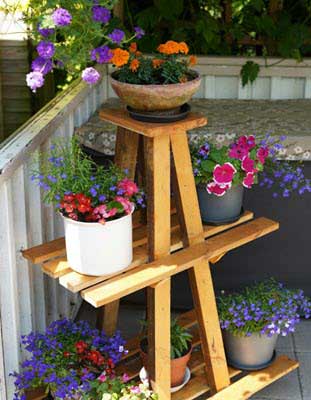
Across Australian cities, from Melbourne apartments to Brisbane townhouses, balconies are being transformed into compact ecosystems. What was once a small outdoor extension is now a sanctuary for herbs, flowering natives, climbing vines, and even pollinator-friendly plantings.
Yet balcony gardening presents a unique challenge: limited space.
This is where vertical thinking becomes essential — and where a thoughtfully chosen plant stand can quietly redefine what’s possible.
Why Balconies Need Vertical Structure
Most urban balconies are narrow, exposed, and constrained by railing height and floor space. Pots placed directly on the ground often compete for sunlight. Airflow can be restricted. Water drainage becomes messy and uneven.
By elevating plants at varying heights, gardeners create layers — similar to how natural ecosystems function.
A plant stand introduces structure. It allows:
- Better light distribution
- Improved airflow around foliage
- Healthier root systems through controlled drainage
- More efficient use of limited square footage
Rather than crowding pots along the balcony edge, vertical staging creates breathing room.
In small spaces, elevation is opportunity.
Light Access: A Hidden Urban Limitation
One of the most underestimated factors in balcony gardening is sunlight access.
Tall buildings cast shifting shadows throughout the day. Railings block lower-level light. Overhangs reduce direct exposure.
When plants sit at a single ground level, some inevitably receive insufficient sunlight.
Using a plant stand allows gardeners to tier plants strategically:
- Sun-loving herbs can be placed on upper shelves
- Shade-tolerant species can sit below
- Flowering plants can be positioned where they catch morning light
This subtle adjustment dramatically improves plant vitality.
Instead of rotating pots daily, vertical arrangement solves the problem naturally.
Airflow and Plant Health
Urban environments often trap heat.
Concrete surfaces radiate warmth, and airflow may be limited — particularly in enclosed balcony spaces. Poor circulation increases the risk of fungal issues, especially for dense foliage or flowering species.
Elevating plants off the ground improves ventilation around leaves and soil surfaces.
Better airflow reduces:
- Powdery mildew
- Root rot from poor evaporation
- Pest build-up
- Excess moisture retention
A well-designed wooden plant stand supports this circulation without overheating the way metal structures sometimes can in direct sun.
Natural materials also integrate more harmoniously into plant-forward spaces.
Supporting Pollinators in Compact Spaces
Even small balconies can contribute to urban biodiversity.
By planting nectar-rich flowers such as lavender, native daisies, or compact flowering shrubs, balcony gardeners can support bees and butterflies — even several stories above ground.
Vertical placement enhances visibility for pollinators. Flowers positioned at varied heights are easier to detect and access.
A multi-tiered plant stand can transform a simple row of pots into a layered microhabitat.
Urban biodiversity begins with thoughtful placement.
Sustainable Materials Matter
In eco-conscious gardening, material choice matters as much as plant selection.

Wooden plant stands align well with sustainable gardening principles. When sourced responsibly, timber offers:
- Durability
- Reduced heat absorption
- Biodegradability
- Visual harmony with natural elements
Unlike plastic or synthetic alternatives, wood ages gracefully and complements greenery without competing for attention.
Retailers such as Metro Elegance’s wooden plant stand collection offer structured, minimalist designs that integrate seamlessly into both indoor and outdoor settings. Their clean lines allow plants to remain the focal point, while the stand itself provides functional elevation.
In balcony gardening, restraint enhances beauty.
Creating a Balanced Micro-Ecosystem
A successful urban balcony isn’t about filling every corner with pots. It’s about balance.
A thoughtfully arranged plant stand can act as the anchor of the space:
- Taller plants positioned at the back
- Cascading vines placed higher for natural drape
- Compact herbs on mid-level shelves
- Shade-friendly foliage below
This tiered approach mimics forest layering — canopy, understory, ground cover.
Even within a few square metres, structure creates the illusion of abundance.
And abundance supports resilience.
Water Management in Small Spaces
Overwatering is a common issue in container gardening.
When pots sit directly on balcony floors, drainage can pool, creating staining, mess, and excess humidity around root systems.
Elevated plant stands improve drainage control. Excess water flows freely, and air can circulate beneath containers.
This reduces:
- Soil compaction
- Root suffocation
- Unwanted mould growth
In practical terms, healthier roots mean stronger, more productive plants.
Designing for Calm
Urban gardening is often as much about mental wellbeing as it is about sustainability.
Balconies filled with structured greenery offer respite from city noise. The act of tending plants — pruning, watering, rearranging — slows the pace of daily life.
Vertical arrangement enhances visual rhythm. Instead of chaotic clustering, tiered displays create harmony.
A plant stand becomes not just a functional support, but a design framework for tranquillity.
Small Space, Significant Impact
In large gardens, space allows for experimentation.
On balconies, every decision matters.
The right plant selection supports pollinators. The right soil supports root health. The right positioning supports light and airflow.
And the right plant stand supports all three.
Urban gardening thrives when space is used intelligently rather than maximised blindly.
By elevating plants — physically and visually — balcony gardeners create healthier environments not only for greenery, but for themselves.
In a world where concrete dominates, even a modest vertical arrangement of thriving plants becomes an act of restoration.
Because sometimes, transforming a space upward is all it takes to let nature flourish.